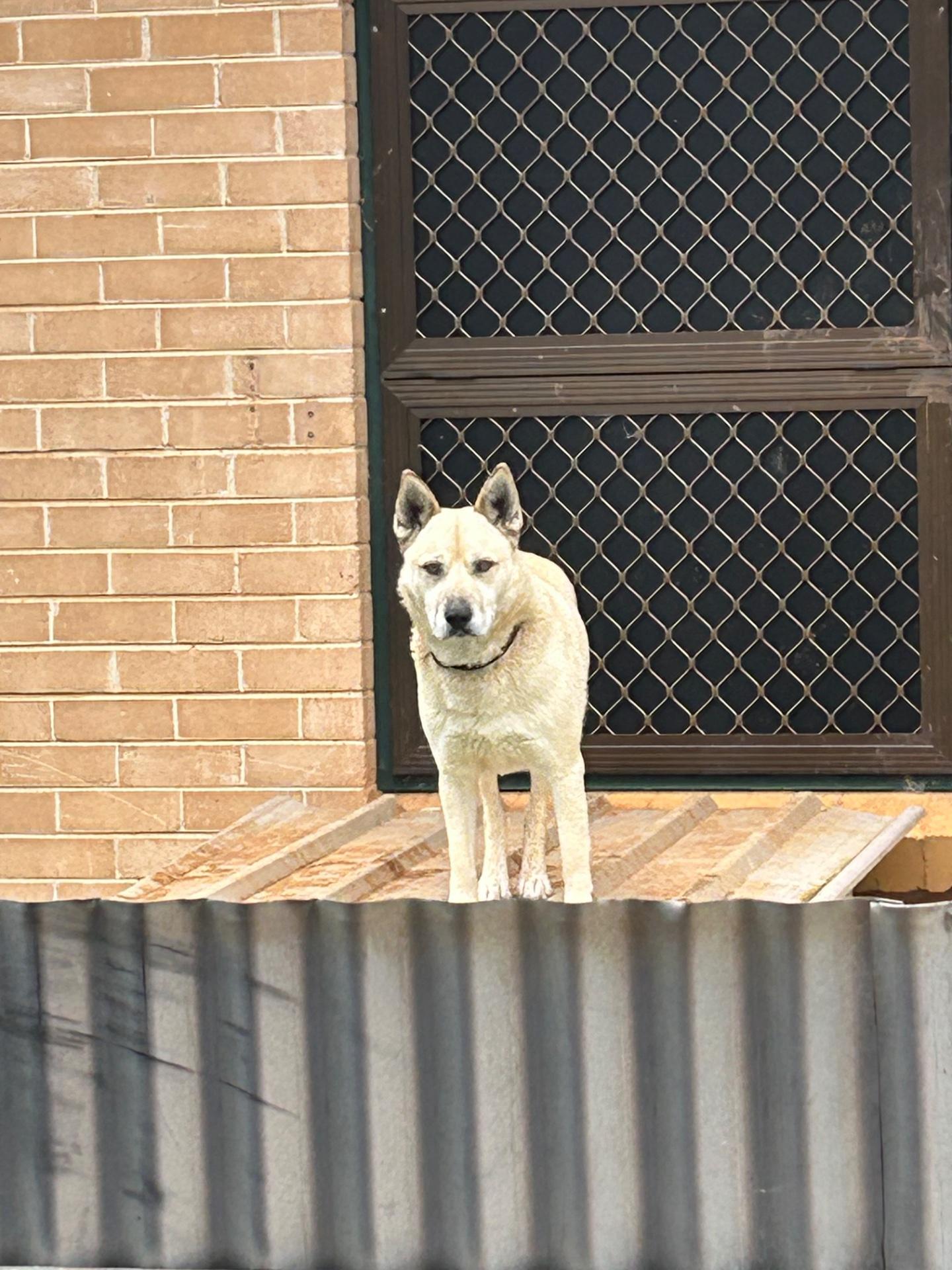
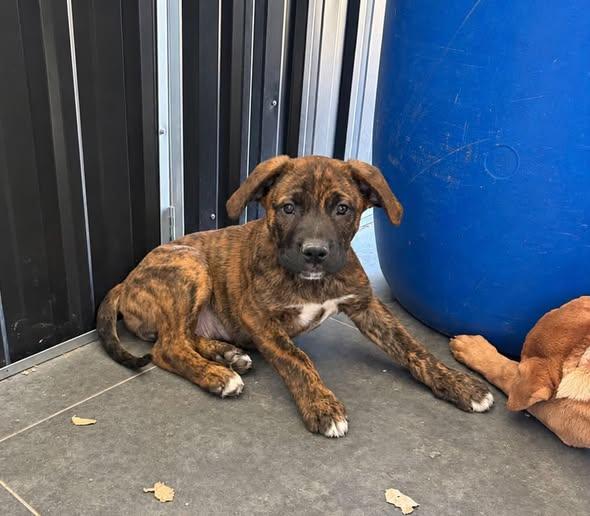
Deago
6 yeas 2 months • Staffordshire bull terrior/cross bread
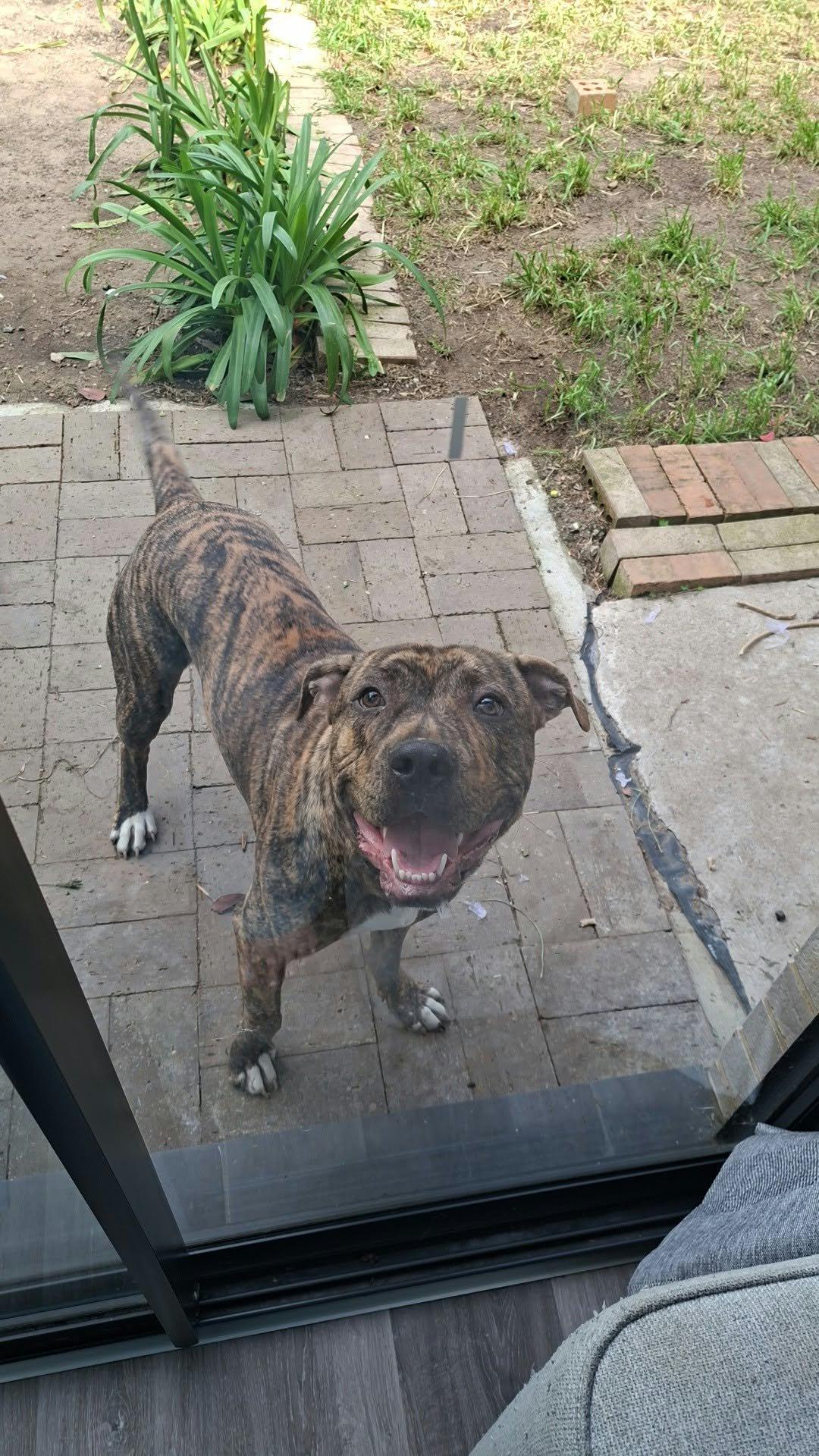
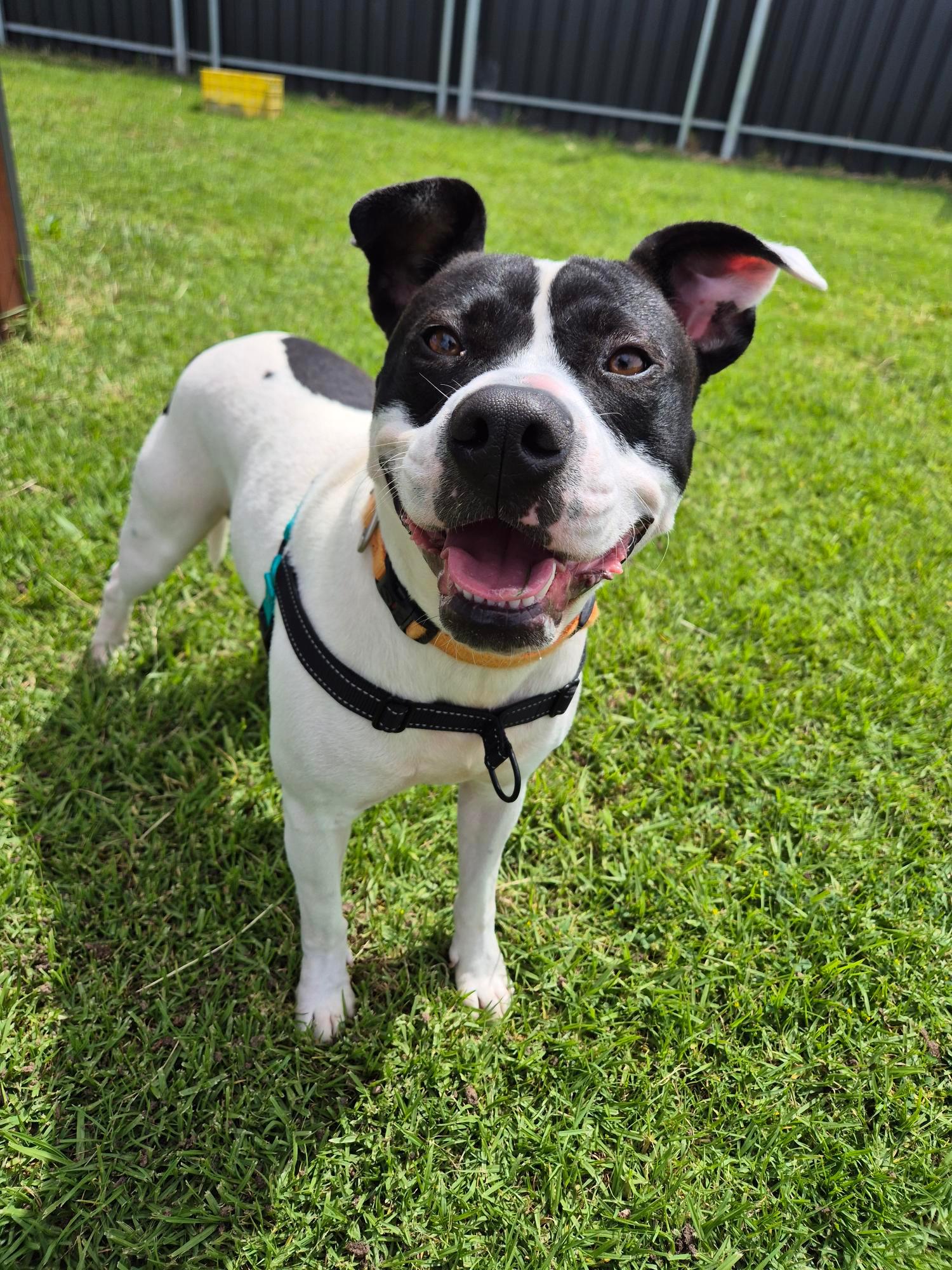
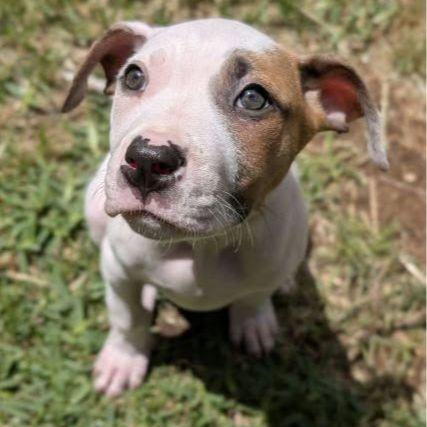
AppleJack
3 months • American Staffordshire Terrier
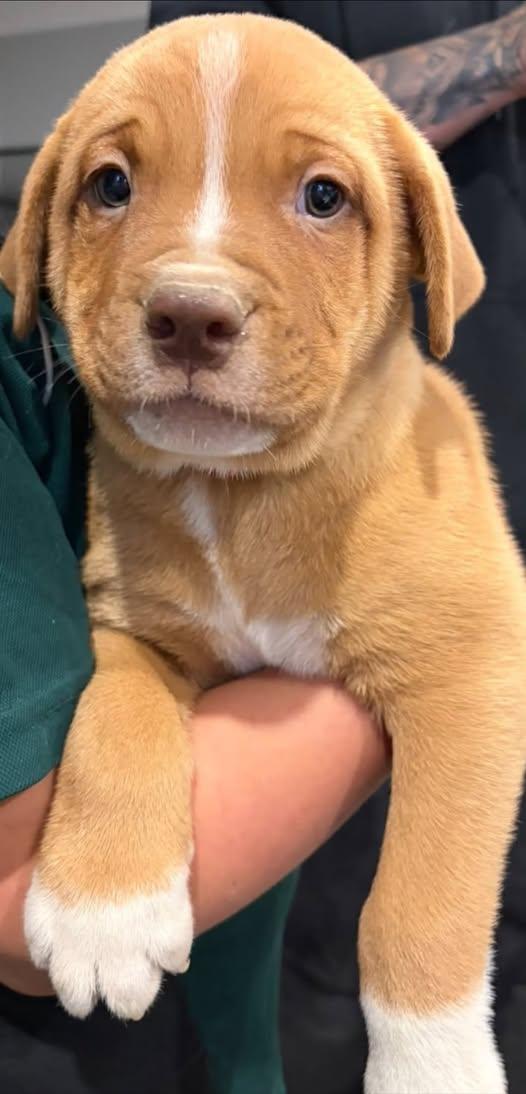
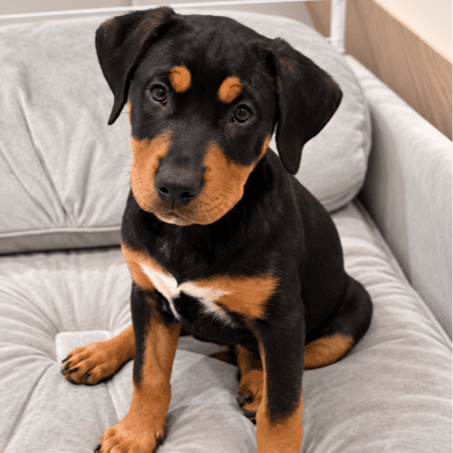
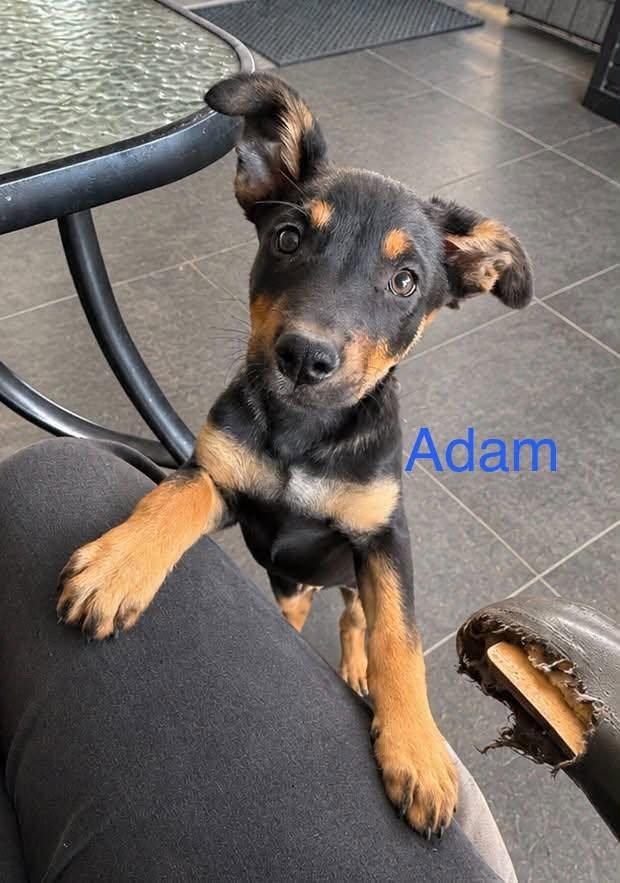
Betty
4 months • Staffordshire Bull Terrier cross
Showing 1-9 of 53 dogs
Get notified about new puppies in Adelaide
We will email you when new rescue puppies become available in Adelaide, so you can be among the first to meet them.
Browse Adelaide Puppies by Breed Type
Most rescue puppies in Adelaide are crosses, and across the rescues we aggregate a handful of types come up again and again. Each card opens the Adelaide page for that breed, with every age listed, so you can see what is available today and set an alert for the type you want.
Staffy and bull-breed puppies →
The most common puppy type in the rescues we aggregate. Affectionate, strong and people-focused, and worth checking your lease or strata rules before you apply.
Cattle Dog puppies →
Heeler crosses turn up in rescue all year. Whip-smart and nippy as pups, they suit active owners who will give them a job.
Kelpie puppies →
Working-dog energy in a medium body. A Kelpie pup needs daily exercise and training from the first week, and repays it tenfold.
Border Collie puppies →
Among the cleverest dogs there are, and the most demanding. Collie crosses are common in rescue and need mental work every day.
German Shepherd puppies →
Loyal and high drive. Shepherd crosses appear regularly and need early, careful socialisation to grow into steady adults.
Labrador puppies →
The family favourite, and rarer in rescue than most people expect. Set an alert, because a Lab cross pup is usually claimed within hours.
Golden Retriever puppies →
Gentle and eager to please. Seldom in rescue and gone almost as soon as listed, so patience and an alert are the realistic path.
Bull Arab puppies →
A big Australian working cross that is overlooked in rescue and wonderful in the right home. Gentle with people, needs space and a secure yard.
Mastiff and Bullmastiff cross puppies →
Mastiff crosses are a steady presence in rescue intake. Calm as adults but they grow large fast, so plan for the full-sized dog.
Adopting a puppy from an Adelaide rescue is one of the best decisions you can make, both for the puppy and for your family. Unlike buying from a breeder, rescue adoption gives a young dog a second chance while freeing up shelter space for other animals in need. Every puppy listed here comes from an Adelaide or South Australia rescue, a shelter or an owner rehoming them, and rescue puppies have already started veterinary care, vaccination, and often desexing.
That said, puppies are a serious time commitment. They need consistent house training, socialisation during their critical first months, and obedience work to become well-adjusted adult dogs. Expect to invest several hours a day in the first few weeks. Puppies also need more frequent vet visits and may chew furniture, shoes, and anything else they can reach.
Listings below are updated regularly directly from rescue websites. Puppies are in high demand and often receive multiple applications within hours of being posted, so if you see one that matches your lifestyle, apply right away through the rescue.
Popular Puppy Breeds and Types in Adelaide Rescues
Rescue puppies in Adelaide are overwhelmingly mixed breeds, and that is a good thing. Cross-bred litters draw on more than one breed, which tends to spread out the inherited health problems that concentrate in tightly bred pedigrees. You will regularly see Staffy and bull-breed crosses, Kelpie and cattle-dog types, Border Collie mixes, and the occasional Labrador or Retriever cross. Smaller crosses such as Cavoodle and Maltese types appear too, though they tend to be claimed within hours.
Purebred puppies do turn up in Adelaide and South Australia rescue, but far less often than people expect and never for long. If your heart is set on one specific breed, patience and a saved alert will serve you better than refreshing listings all day. Foster carers assess each puppy as an individual, so the honest description of temperament and likely adult size matters far more than a breed label guessed from a photo.
Adult size is the single hardest thing to predict in a rescue puppy, especially a mixed-breed one from an unknown litter. A good rescue will give you a considered estimate based on the puppy's paws, its parents where known, and the vet's assessment, but treat it as a range rather than a promise. If a strict size limit matters for your home or your lease, an older puppy or a young adult removes the guesswork.
Raising a Puppy in an Adelaide Apartment or Unit
A puppy can thrive in an apartment or unit, but it changes how you manage the first few months. Toilet training is slower without a back door to a yard, so you will be carrying your puppy to a designated outdoor spot on a frequent schedule, including overnight at first. A consistent routine and plenty of calm praise for going in the right place shortens the process more than any product ever will.
Noise is the other apartment consideration. Puppies cry when left alone, and thin walls make that everyone's problem. Build up alone-time gradually from very short absences, give your puppy a comfortable crate or pen as a safe den, and tire them out before you leave. Most apartment puppy troubles trace back to a young dog that is under-exercised, under-stimulated and left alone too long too soon.
Before you commit, check your lease and any strata or body-corporate by-laws for pet rules, since these vary between buildings and some cap the number or size of pets you may keep. Confirm the policy in writing before you apply for a puppy, not after you have fallen for one.
Puppy Health, Vaccination and the First Vet Visit
Every puppy listed here leaves its rescue vaccinated appropriately for its age, microchipped, and started on parasite prevention, with desexing either done or arranged as part of the adoption. You should still book your own vet within the first week so your puppy gets a baseline health check and you can set up the ongoing vaccination and parasite schedule your vet recommends for where you live.
Puppies need a course of vaccinations over their first months rather than a single shot, and their immunity is not complete until that course is finished. Ask your vet when it is safe for your puppy to socialise on the ground in public places, because the timing balances protecting them from disease against the equally important job of socialising them during a short, critical window.
Parasite prevention is year-round across most of Australia and is not optional. Fleas, intestinal worms and heartworm affect dogs everywhere, and in tick regions paralysis ticks are a serious seasonal risk your vet will advise on. Do not improvise products or doses for a small puppy; your vet will match the prevention to your puppy's weight and your local risks.
Puppy Training and Socialisation in the First Months
The first few months shape the adult dog more than any other period. Socialisation means calm, positive exposure to as many everyday sights, sounds, surfaces and friendly people and dogs as you can manage while your puppy is young. The goal is a confident dog that takes the world in its stride, and the window for building that easily is short, so start gently from day one.
Keep training sessions short, frequent and rewarding. Five to ten minutes a few times a day beats one long, frustrating session. Focus on toilet training, a reliable name response, sit, and coming when called, and reward the behaviour you want rather than punishing mistakes. Reward-based methods are what modern trainers and animal welfare bodies recommend, and they build a dog that wants to work with you.
A structured puppy class is one of the best early investments you can make. Beyond the basics, it gives your puppy safe, supervised socialisation with other dogs and people, and gives you a professional to answer the small questions before they become habits. Ask your vet or your rescue to point you to a reward-based puppy class near you.
The Truth About Rescue Puppy Availability
Puppies are the most in-demand animals in rescue, and popular ones receive multiple applications within hours of being listed. That is worth knowing before you set your heart on one particular pup. Being ready to apply the moment a puppy appears, with your household in agreement and your questions prepared, matters far more than luck.
Because puppies move so fast, the single best strategy is to widen your criteria and set up an alert. A slightly older puppy, a young adult, or a cross rather than a purebred will all give you the same years of companionship, often with a known temperament and adult size into the bargain. Rigid criteria simply mean a longer wait.
It is also worth being realistic about the workload. A puppy is months of broken sleep, toilet training, chewing and constant supervision before it becomes the easy adult dog you pictured. If that season of life does not suit you right now, an adult rescue dog gives you the companionship without the intensive early stage, and adult dogs wait far longer for homes.
Costs, Registration and Bringing Your Puppy Home
A rescue puppy's adoption fee is typically a few hundred dollars (the exact fee is on each profile), and it already bundles in desexing or a desexing plan, vaccination to date, microchipping and a vet check. Bought from a breeder, the same puppy commonly runs into the thousands with none of that vet work included, so adoption is both the kinder and the cheaper path to a well-started puppy.
Registration is a legal requirement across Australia. Councils in South Australia require dogs to be microchipped and registered, and a desexed dog usually attracts a lower registration fee, so keep your desexing paperwork. Your rescue will transfer the microchip into your name, and you should make sure your details on the microchip registry stay current, because that chip is how a lost dog finds its way home.
Budget for the ongoing costs before you adopt, not after. Quality food, year-round parasite prevention, the remaining vaccination course, training and routine vet care all add up, and a puppy will also cost you a crate, bedding, a lead and safe chew toys up front. Planning for the real cost of the first year is part of being ready for a puppy.
Where Adelaide rescue puppies come from
Most of the puppies we list for Adelaide come through Paws & Claws Adoptions, a volunteer, foster-based rescue. That matters more than it sounds: a foster puppy lives in a real home before adoption, so the carer can tell you how it sleeps, how far along it is with toilet training and how it reacts to visitors, children and other dogs. Ask those questions before you apply.
Animal Welfare League SA and RSPCA South Australia list puppies less often, usually as part of a litter that arrived together, and AWL SA rehomes its dogs by application rather than walk-in. Litters tend to be adopted within days, so if you are set on a puppy, register with more than one rescue and set an alert here rather than checking one site once a week.
What a rescue puppy costs in Adelaide
Adelaide rescues do not publish a single puppy price. AWL SA says plainly that prices vary by age and type of animal and that each pet profile shows its own fee, and RSPCA SA runs periodic promotions, so read the fee on the listing itself. What every fee buys is consistent: AWL SA states that all of its animals are desexed, microchipped and health checked before they go home, "yes, even the kittens and puppies".
That is the comparison to make against a private sale. In South Australia a puppy born after 1 July 2018 must be desexed by six months of age by law, so a privately bought puppy still has that vet bill ahead of it, plus its microchip and vaccinations if the seller skipped them. A rescue puppy arrives with that work already done.
SA law: desexing, microchipping and registration
Under the Dog and Cat Management Act 1995, a dog must be microchipped before 12 weeks of age, or within 28 days of you taking possession, and before it is sold. Desexing is compulsory for dogs born after 1 July 2018, by six months of age, unless a vet grants an exemption, and an undesexed dog that changes owner must be desexed within 28 days. The Dog and Cat Management Board sets out these rules in plain English.
A dog over three months old must be registered through Dogs and Cats Online (DACO) within 14 days of you taking possession, and the registration year ends on 30 June, so a young puppy is registered once it passes three months. Fees are set by your local council, with significant discounts for a dog that is both desexed and microchipped, which a rescue puppy usually is. Check your own council's figure in DACO rather than relying on a single Adelaide number.
Buying a puppy privately in South Australia
In South Australia anyone who breeds dogs to sell must be registered as a breeder in Dogs and Cats Online, and the Dog and Cat Management Board says that includes rescue groups and owners of an accidental litter. Every advertisement must show the DACO breeder number, which starts with DACO followed by six digits, and you can search it on Dogs and Cats Online, so check the seller's DACO breeder number before you pay anything. The puppy must already be microchipped before sale, and the seller must give you the microchip number and the vaccination and desexing details in writing. A seller who cannot show a breeder number or answer those questions is a warning sign.
Puppy scams follow a familiar pattern: a cheap, popular breed, a seller who cannot meet in person, and a request for a deposit or a "transport fee" before you have seen the puppy. Never pay before you have met the puppy and its carer, and check the listing against the Scamwatch guidance.
A puppy's first Adelaide summer
Follow your vet's vaccination schedule and keep the puppy away from places where unknown dogs gather until the course is finished. Ask your vet which parasite prevention your puppy needs, including whether heartworm prevention is needed where you live. RSPCA Australia says the paralysis tick "is generally found on the eastern seaboard, from North Queensland down to Victoria" and that ticks "can also be found inland in suitable habitats" (RSPCA Knowledgebase, read 13 November 2026), so ask about tick prevention too, especially before you travel east.
Heat is a real summer risk: Adelaide summers are hot and dry, and a puppy's pads burn easily on hot bitumen, so walk at dawn or after dark and test the footpath with your hand. If you think a snake has bitten your puppy, RSPCA Australia says to get to a vet as soon as you can, phone ahead, keep the puppy calm and still, and not wash the wound or apply a tourniquet. An emergency vet such as SASH Adelaide in Kent Town is open 24 hours.
Training, socialising and smaller homes
Start gentle, reward-based training from the first day: toilet routines, name response and short spells alone so the puppy learns that you always come back. Once your vet clears it, a puppy class run by an Adelaide force-free trainer is the easiest way to cover socialisation. Later, the fully fenced City of Adelaide dog parks, Pityarilla Dog Park in the southern Park Lands and Bragg Park (Ngampa Yarta) in North Adelaide, both have separate small-dog areas that suit a young or small dog building confidence.
If you rent or live in a unit, confirm your lease or your building's by-laws allow a dog before you apply, and ask the rescue whether a particular puppy is likely to bark when left. A foster carer can usually tell you, and that answer protects your tenancy as much as the puppy's placement.
Puppy Adoption FAQ
Tap a question to expand