The short answer
The domestic shorthair is the most available cat in Adelaide rescue, so you will never have to wait long. It is the classic moggy, not a pedigree, which is why it is so healthy, so varied and so affordable. Adoption is the cheapest way to get a cat, and the cat arrives already desexed, vaccinated and microchipped, which the Dog and Cat Management Act 1995 requires anyway. Care is easy: a short coat, a weekly brush, ordinary vet checks. Keep it indoors or contained to protect the cat and Adelaide's wildlife, and choose the individual whose personality fits your home.
What a domestic shorthair cat is
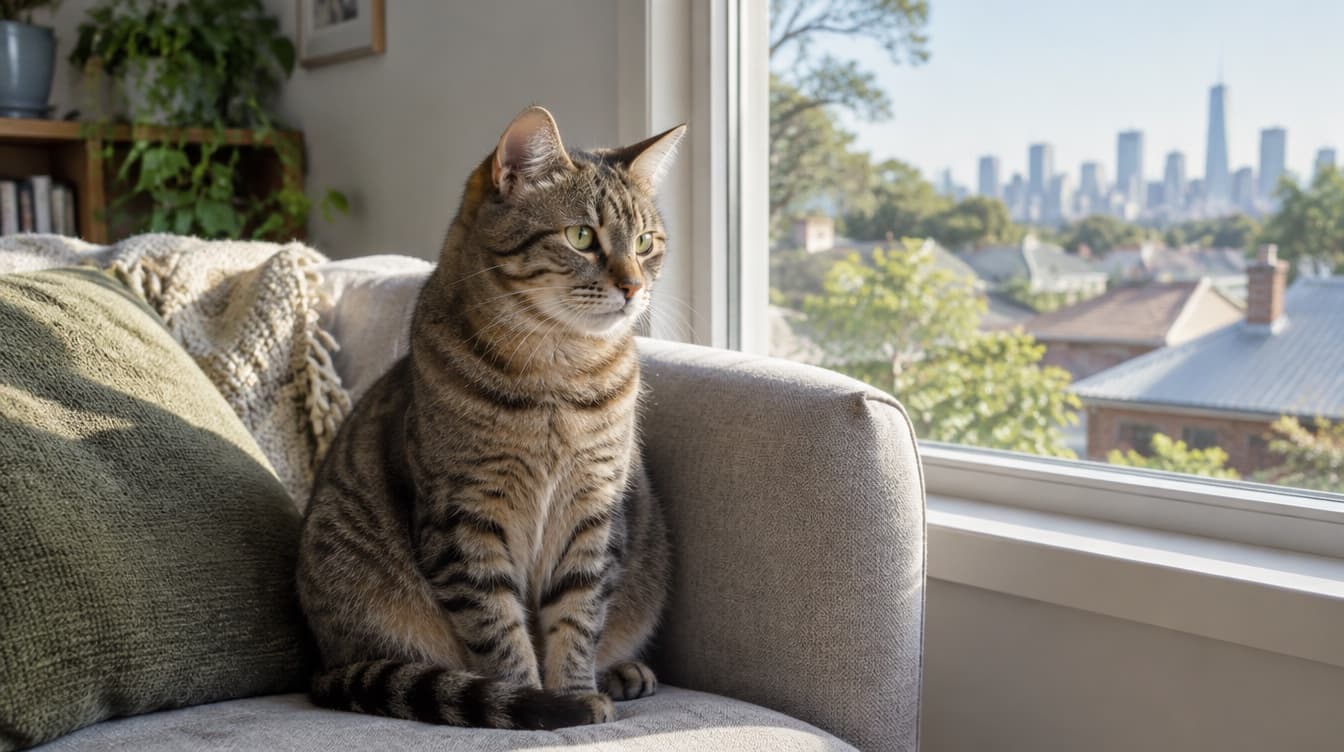
The domestic shorthair is the everyday short-coated cat, the classic moggy, and not a pedigree breed at all. It is the product of generations of ordinary cats rather than a planned breeding line, which is exactly what makes it so robust and so varied. Domestic shorthairs come in every colour and pattern you can imagine, from tabby, tortoiseshell and calico to solid black, ginger and white, and in every build from petite to solid.
Personality is just as varied. A domestic shorthair might be a devoted lap cat, a playful acrobat, a dignified observer or a confident hunter, which is a real advantage when you adopt: you are not getting a fixed breed template, you are meeting an individual and choosing the one whose temperament fits your home. Because the gene pool is so wide, domestic shorthairs also tend to sidestep the inherited conditions that concentrate in some purebred lines, so they are often the healthiest cat in the shelter.
What Adelaide rescue listings actually show
LocalPetFinder pulls cat listings from South Australian rescues into one place, so we can see what is genuinely available rather than guessing. The picture is clear and, for once, in your favour. The great majority of cats listed are domestic short-hairs, in every colour, age and personality. Where a rare purebred might take months to appear, the cat you are reading about here is on the lists right now, often in the dozens.
That abundance is the whole point. You do not have to compromise or wait. You can filter by what matters to you, a calm older cat, a bonded pair, a cat that is good with dogs or children, and meet several before you choose. Set an alert so you hear about new arrivals, browse the current listings, and let the match be about the individual cat rather than a label.
How domestic shorthairs end up in rescue
Domestic shorthairs fill rescues for reasons that have nothing to do with the cats themselves:
- Unplanned litters. An undesexed cat has kittens, and the kittens need homes. This is the single biggest source, and it is why desexing is now required under South Australian law.
- Life changes. A move to a rental that will not take pets, a new baby, a relationship breakdown, financial pressure, or an owner who becomes unwell or passes away.
- Strays and surrenders. Found cats, abandoned cats and owner surrenders, all taken in, vet-checked and made ready for a new home.
None of it reflects on the cat. A domestic shorthair that lands in rescue is simply a healthy, adaptable cat waiting for the right household, and there are plenty to choose from.
Where to adopt a domestic shorthair in Adelaide
You are spoilt for choice, because every general cat rescue in South Australia has domestic shorthairs available. These are the main groups rehoming cats around Adelaide:
| Rescue | Good to know |
|---|---|
| RSPCA South Australia | The state body, with a steady flow of adult cats and kittens, all desexed, vaccinated and microchipped. |
| Animal Welfare League SA | A large South Australian shelter rehoming many cats each year, with a long-running foster network. |
| Paws and Claws Adoptions | A foster-based Adelaide rescue, so listings often come with detailed notes on temperament and any special care. |
Many of these rescues also appear on PetRescue, the national listing site, and LocalPetFinder brings Adelaide listings together so you can compare them in one place. For the full process, read our best cat rescues in Adelaide guide.
What it costs
Adopting a domestic shorthair is the most affordable way to get a cat, and the cat arrives already vetted. An Adelaide rescue adoption fee already covers desexing, an F3 vaccination, microchipping, a FIV check, worming, flea treatment and a vet check. Because the Dog and Cat Management Act 1995 requires every pet cat in South Australia to be desexed and microchipped, a rescue cat has that legally required work done for you, which is why a rescue cat usually works out cheaper than a free kitten you then have to desex, vaccinate and microchip yourself.
There is no breeder price to weigh up here, because domestic shorthairs are not bred to sell. A free kitten from a classified ad almost always costs more in the end once you add the vet work the rescue would have already done. Records are handled through Dogs and Cats Online, South Australia's state-wide database, and unlike a dog a cat does not have to be registered under the Act, though some councils set their own cat by-laws. The ongoing costs are the ordinary ones: good food, litter, annual vet checks and parasite prevention. Our Adelaide cat rescue guide walks through what a rescue fee includes.
South Australian rules for a new cat owner
The governing law is the Dog and Cat Management Act 1995, with records handled through Dogs and Cats Online. The parts that affect you:
- Desexing. A cat born after 1 July 2018 must be desexed by six months of age, unless a vet grants an exemption. A rescue cat is already desexed, which also helps stop the unplanned litters that fill shelters.
- Microchipping. Microchipping is compulsory for cats in South Australia, and a cat sold or given away must already be chipped. Update the record into your name through Dogs and Cats Online.
- Registration. Unlike a dog, a cat does not have to be registered with the council under the Act, so there is no single Adelaide-wide cat registration fee.
- Council cat by-laws. Some South Australian councils set their own rules on cats, such as containment, a curfew or cat limits. Check your local council before you bring a cat home.
Indoor living and Adelaide weather
An indoor or contained life is strongly recommended for a domestic shorthair, and increasingly expected across South Australia. Keeping a cat indoors or in a secure cat run protects it from cars, dogs, cat fights, disease and theft, and it protects Adelaide's native wildlife, which cats hunt even when well fed. Many South Australian councils now have cat containment or curfew by-laws, so check your local council. Our Adelaide cat rescue guide and the Adelaide cat adoption hub cover setting up a safe indoor home.
A domestic shorthair handles Adelaide's climate better than most specialised breeds, but it still needs sensible care. Summers are hot and dry with long runs of days over 40 degrees, so provide shade, fresh water and a cool indoor space, and never leave a cat in a hot car or sunroom. Winters are mild but a warm bed is always welcome. With scratching posts, window perches, play and your company, a domestic shorthair settles happily into indoor life and tends to live a longer, safer life for it.
A quick word on health
Domestic shorthairs are generally among the healthiest of cats, because the wide gene pool avoids concentrating the inherited conditions that affect some purebred lines. That does not mean no health needs at all: all cats benefit from annual vet checks, dental care, parasite prevention and a good diet, and older cats need monitoring for the usual age-related issues. A rescue cat has had a vet check and comes with a known history where possible, so ask the rescue and your own vet about the individual cat, and the RSPCA Knowledgebase is a good plain-language starting point on cat health.
Browse adoptable domestic shorthair cats in Adelaide
There are domestic shorthairs available right now, in every colour, age and personality. Browse the current listings and choose the cat that fits your home.
See Available Domestic Shorthair Cats →Choosing the right domestic shorthair
Because there are so many to choose from, you can be selective in the best sense: let the cat's personality lead. An adult cat's temperament is already settled, so the rescue can tell you exactly what you are getting. When you meet a cat, check three things:
- Temperament. Lap cat or independent, quiet or busy, confident or shy. Match the cat to your household and your routine.
- Household fit. Ask how it was with children, dogs or other cats in its foster home, and whether it copes with being alone during the day.
- Age and energy. A kitten is playful but demanding, while a calm adult or senior often settles fastest and asks the least.
The abundance of domestic shorthairs is your advantage, so take your time and choose the individual, not just the look. The Adelaide cat resources cover the rest of the journey.
Frequently Asked Questions
Where can I adopt a domestic shorthair cat near me in Adelaide?
Almost everywhere, because the domestic shorthair is by far the most common cat in rescue. RSPCA South Australia, the Animal Welfare League SA and Paws and Claws Adoptions all have domestic shorthairs available at nearly any time, in every colour, age and personality. Across the Adelaide rescues we aggregate, the great majority of listed cats are domestic short-hairs, so instead of waiting for a rare breed you can choose the individual cat whose temperament suits your home. Set an alert, browse the current listings, and apply when you meet one you click with.
What is a domestic shorthair cat?
A domestic shorthair is the everyday short-coated cat, the classic moggy, not a pedigree breed. It is the result of generations of ordinary cats rather than a planned breeding line, which is exactly why it is so healthy, so varied and so widely available. Domestic shorthairs come in every colour and pattern, from tabby and tortoiseshell to black, ginger and white, and in every personality from lap cat to independent hunter. Because the gene pool is so wide, they tend to avoid the inherited health problems that concentrate in some purebred lines.
How much does it cost to adopt a domestic shorthair versus buy one in Adelaide?
Adopting a domestic shorthair is the most affordable way to get a cat, and the fee already covers desexing, an F3 vaccination, microchipping, a FIV check, worming, flea treatment and a vet check. Because the Dog and Cat Management Act 1995 requires every pet cat to be desexed and microchipped anyway, a rescue cat has that legally required work done for you, which is why a rescue cat usually works out cheaper than a free kitten you then have to desex, vaccinate and microchip yourself. There is no reason to buy a domestic shorthair when so many are waiting in rescue, and a free kitten from a classified ad almost always costs more once you add the vet work.
Is a domestic shorthair as good a pet as a purebred?
For most homes, it is the better choice. A domestic shorthair gives you the same companionship, playfulness and affection as any pedigree, usually with better all-round health thanks to the wide gene pool, and far more choice because so many are available. You can meet dozens and pick the one whose temperament fits your household, rather than waiting months for a rare breed. A papered pedigree matters for showing and breeding, which is not what adoption is for. If you want a loving, healthy, low-maintenance companion, the domestic shorthair is the smart default.
How do I check a cat advertised for sale in South Australia?
South Australia does not run a public pet advertising register the way Victoria does, so you do the checks yourself. Ask for the cat's microchip number, because under the Dog and Cat Management Act 1995 a cat sold or given away must already be desexed and microchipped, with records in Dogs and Cats Online. Meet the cat in person and never pay a deposit by bank transfer for a cat you have not seen. With domestic shorthairs, the honest answer is that you rarely need to buy at all, because rescues are full of them, already vetted, for a fraction of the price.
How much care does a domestic shorthair cat need?
Less than almost any other cat, which is part of the appeal. A short, dense coat needs only occasional brushing, roughly once a week, and the cat does most of its own grooming. There is no specialised skin, ear or coat regime, no clipping and no professional grooming. Domestic shorthairs are generally robust and adaptable, so the main costs are the ordinary ones: good food, litter, annual vet checks, parasite prevention and plenty of play and company. It is the easy-care cat for a first-time owner or a busy household.
Should I adopt an adult domestic shorthair or a kitten?
Both are widely available, so choose by lifestyle. An adult cat's personality is already settled, so the rescue can tell you whether it is a lap cat, a hunter, good with children or dogs, and quiet or busy, which takes the guesswork out of the match. Adults also wait longer for homes and often settle fast. A kitten is playful and adaptable but needs more time, supervision and training. For a first cat or a calm household, an adult domestic shorthair is often the easiest, most rewarding choice.
Do I have to register a domestic shorthair cat in South Australia?
Not with the state the way a dog must be. Under the Dog and Cat Management Act 1995 a cat born after 1 July 2018 must be desexed by six months of age and microchipped, and records are handled through Dogs and Cats Online, but a cat does not have to be registered under the Act the way a dog does. Some South Australian councils do set their own cat by-laws, such as containment rules or cat limits, so check your local council. A rescue cat arrives desexed and microchipped already, so make sure the microchip record moves into your name.
Should a domestic shorthair live indoors in Adelaide?
An indoor or contained life is strongly recommended, and increasingly expected. Keeping a cat indoors or in a secure cat run protects it from cars, dogs, cat fights, disease and theft, and it protects Adelaide's native wildlife, which cats hunt even when well fed. Many South Australian councils now have cat containment or curfew by-laws, so check your local council. A domestic shorthair adapts happily to indoor life with scratching posts, window perches, play and your company, and tends to live a longer, safer life for it.
Are domestic shorthairs good with children and other pets?
Very often, and because there are so many to choose from you can pick one with a proven track record. Plenty of domestic shorthairs are relaxed with children, dogs and other cats, and a rescue can match you to an individual whose foster notes show exactly that. All cats need supervision around very young children and a quiet place to retreat, but the sheer choice among domestic shorthairs means you are far more likely to find a confident, sociable cat that suits your household than you would be holding out for a single rare breed.
Keep reading
Adoptable Domestic Shorthair Cats in Adelaide
Live listings of domestic shorthair cats from South Australian rescues.
Best Cat Rescues in Adelaide
The verified South Australian shelters and foster rescues to set alerts with.
Cat Adoption in Adelaide
Every adoptable cat and all the breed guides for Adelaide in one place.
Adelaide Cat Adoption Resources
Guides on adopting, costs, indoor living and South Australian cat rules.