The short answer
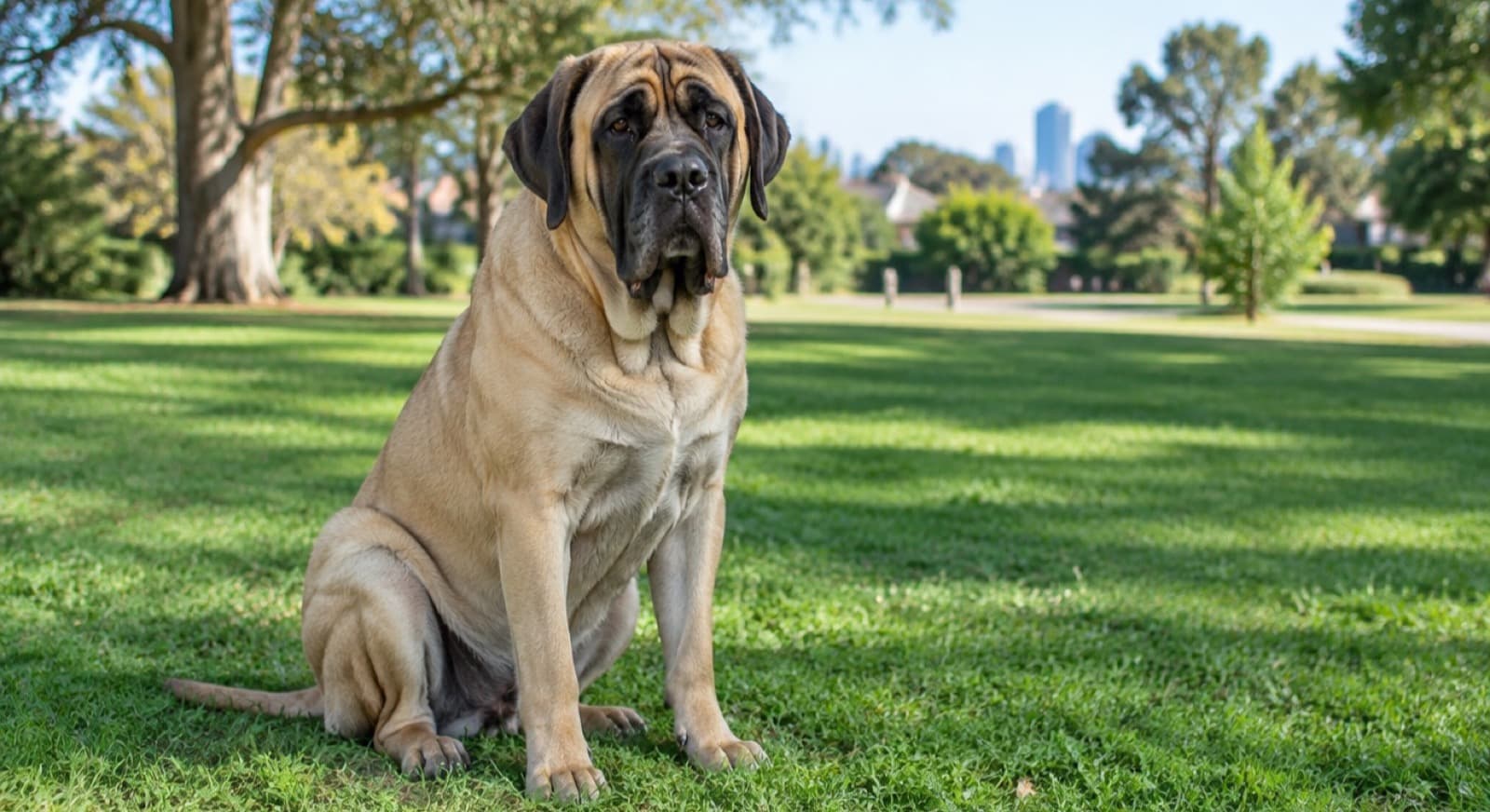
You can adopt a Mastiff on the Sunshine Coast, but plan for a giant-breed commitment. Mastiff crosses and big guardian types come through the Sunshine Coast Animal Refuge (SCARS) at Tanawha, RSPCA Queensland's centres at Gympie and Dakabin, and PetRescue. A purebred is less common. Adoption costs a few hundred dollars with the vet work included, and the breed is not restricted in Queensland. The real commitment is scale: room, a large-dog budget, early socialisation and careful heat management in South East Queensland.
Why Mastiffs reach Sunshine Coast rescue
Across the Sunshine Coast rescues we aggregate, Mastiff crosses and other large guardian types appear far more often than purebred Mastiffs; the reasons they come in are consistent.
Size, space and cost.
The gentle-giant reputation draws people in, then the food bill, the vet costs, the space the dog fills and the drool all arrive at once. When reality lands, or a move makes a dog this big impossible, the dog is surrendered.
Life changes.
A giant dog is hard to rehome privately; when a family grows, an owner falls ill or a relationship ends, the dog often ends up with a rescue.
Backyard breeding.
Mastiffs are expensive to buy, so some are bred without the health testing the breed needs. Rescues take in surrendered and ex-breeding dogs that make devoted pets in the right home.
Where to look on the Sunshine Coast
- Sunshine Coast Animal Refuge (SCARS): the region's own non-euthanasia refuge at Tanawha, running since 1979. It takes Sunshine Coast Council pound dogs and owner surrenders, and big dogs come through; every dog is vet checked, desexed and microchipped before listing. See sippycreek.com.au.
- RSPCA Queensland: the nearest adoption centres are at Gympie to the north and Dakabin to the south. Both rehome dogs by appointment with a vet workup and a behaviour assessment. Browse at rspcaqld.org.au.
- Foster-based rescues: a foster carer can tell you how a giant dog behaves with visitors, children and other pets; for a guardian breed, that matters more than any photo.
- PetRescue: lists Mastiffs and Mastiff crosses from many smaller Queensland rescues at petrescue.com.au.
Be wary of any group calling itself a Mastiff rescue that asks for money before you have confirmed a real address and a current dog list. If a big guardian breed appeals, our Cane Corso adoption guide for the Sunshine Coast covers a related breed. The large dogs page shows every big dog currently listed.
What a Mastiff costs: adopt versus buy
| Cost | Rescue Mastiff | Breeder puppy |
|---|---|---|
| Adoption fee or price | A few hundred dollars, shown on each listing | Well into the thousands |
| Desexing, microchip, vaccinations, vet check | Included | Paid separately, at giant-dog prices |
| Food | Giant-dog quantities | Giant-dog quantities |
| Parasite prevention | Dosed by weight, so it costs more | Dosed by weight, so it costs more |
| Pet insurance | Strongly worth it | Strongly worth it |
An adult rescue Mastiff has one more advantage: you can see its final size and settled temperament before you commit. For the breed in depth, see our national Mastiff guide.
Browse Mastiffs in Sunshine Coast rescue
Current listings from Sunshine Coast shelters and Queensland rescues, with carer notes on temperament and household fit.
See Available Mastiffs →Living with a gentle giant
A Mastiff is calm and affectionate, and happy with moderate daily exercise. But it is still a giant guardian breed, so a few things matter more than usual.
- Socialisation: a well-mannered big dog is made, not born. Steady, positive exposure to visitors, children and other dogs keeps a guardian breed relaxed.
- Handling: every adult in the home should be able to hold the dog on a lead; a leaning Mastiff is a lot of dog.
- Space and drool: it takes up room, it drools, and it needs a home and car that fit it.
- Renting: if you rent or live under a body corporate, check the pet rules before you apply; rescues usually ask.
Health: joints, bloat and a shorter life
The Mastiff is prone to hip and elbow dysplasia and other joint problems; as a large, deep-chested dog, it is also at risk of bloat. Some heart and eye conditions occur in the breed, and like most giant breeds it has a relatively short lifespan. A rescue Mastiff arrives vet-checked, so ask what the in-care assessment found.
Keep the dog lean to protect its joints. Learn the signs of bloat: a swollen belly, retching with nothing coming up, restlessness and heavy drooling. Bloat is an emergency. The Sunshine Coast has two 24-hour hospitals, Animal Emergency Service at Tanawha and SASH Sunshine Coast at Sippy Downs. Ask your own vet how to lower the risk around meals and exercise.
Heat and ticks in South East Queensland
Heat is the biggest daily risk for a giant dog here: a heavy Mastiff overheats far more easily than a lean dog. Walk only in the cool of early morning or evening, keep water and shade available, and give the dog a cool tiled spot indoors. Press the back of your hand to the footpath before a walk; if you cannot hold it there for seven seconds, it is too hot.
Paralysis ticks are a year-round danger: the Sunshine Coast and its hinterland sit in the paralysis tick's range. Keep a vet-recommended tick preventative going all year, and run your hands through the coat after any bush or long-grass walk. Wobbly back legs, a changed bark or laboured breathing need a vet immediately. The RSPCA Knowledgebase has current guidance.
Queensland law, registration and scams
Queensland's law is the Animal Management (Cats and Dogs) Act 2008. The Mastiff is not one of the five restricted breeds. Any dog of any breed can still be declared dangerous or menacing by a council because of its behaviour, which is one more reason socialisation matters. Read the state's regulated dogs page for the detail.
A dog must be microchipped before 12 weeks of age or before it changes hands, then registered with your council each year. Sunshine Coast Council charges $63 a year for a desexed dog, or $35 for pensioners. Noosa Council sets its own fees on its registration page.
Any dog born on or after 26 May 2017 that is sold or advertised in Queensland must show a supply number from the Queensland Dog Breeder Register. A cheap Mastiff pup with a deposit or transport fee is the classic setup Scamwatch warns about.
Frequently Asked Questions
Can you adopt a Mastiff on the Sunshine Coast?
Yes, though a purebred Mastiff is uncommon. Across the Sunshine Coast rescues we aggregate, Mastiff crosses and other big guardian types turn up more often than purebreds. Look at the Sunshine Coast Animal Refuge (SCARS) at Tanawha, RSPCA Queensland's centres at Gympie and Dakabin, and PetRescue. Set an alert and expect questions about your space and budget.
Why do Mastiffs end up in rescue?
Almost always because the scale of the breed was underestimated. A Mastiff eats, drools and needs vet care at giant-dog scale. A move to a smaller home or rental, or a change in family life, can make a dog this size hard to keep. The dogs themselves are usually calm and devoted.
How much does it cost to adopt a Mastiff on the Sunshine Coast?
A rescue Mastiff usually costs a few hundred dollars, and the exact fee is on each listing. The fee covers desexing, vaccination, microchipping and a vet check. A breeder puppy costs well into the thousands without that vet work. The real cost of the breed is ongoing: food, weight-based preventatives and giant-dog vet care.
Is a Mastiff a restricted breed in Queensland?
No. Queensland's five restricted breeds are the American Pit Bull Terrier, Dogo Argentino, Fila Brasileiro, Japanese Tosa and Perro de Presa Canario. A Mastiff is legal to own and rehome normally. Any dog can still be declared dangerous or menacing by a council because of its behaviour, so socialisation matters with a giant guardian breed.
What is bloat, and why does it matter for a Mastiff?
Bloat is a life-threatening emergency where the stomach fills with gas and can twist, and large deep-chested dogs like Mastiffs are prone to it. Signs include a swollen belly, retching without bringing anything up, restlessness and drooling more than usual. Get to a 24-hour vet immediately. Ask your vet how to lower the risk around meals and exercise.
Can a Mastiff cope with the Sunshine Coast heat?
Only with careful management. A giant, heavy dog overheats more easily than a lean one. Walk only in the cool of the early morning or evening, keep fresh water and shade available, and give the dog a cool indoor spot. Never leave a Mastiff in a parked car, even briefly.
Keep reading
Adoptable Mastiffs on the Sunshine Coast
Current listings with carer notes on temperament and family fit.
Mastiff Breed Guide
The Australia-wide guide to the breed, its health and its needs.
Cane Corso Adoption on the Sunshine Coast
Another big guardian breed, and what it needs from an owner.
Sunshine Coast Adoption Resources
Guides on adopting, costs, council rules and settling a rescue dog on the Sunshine Coast.