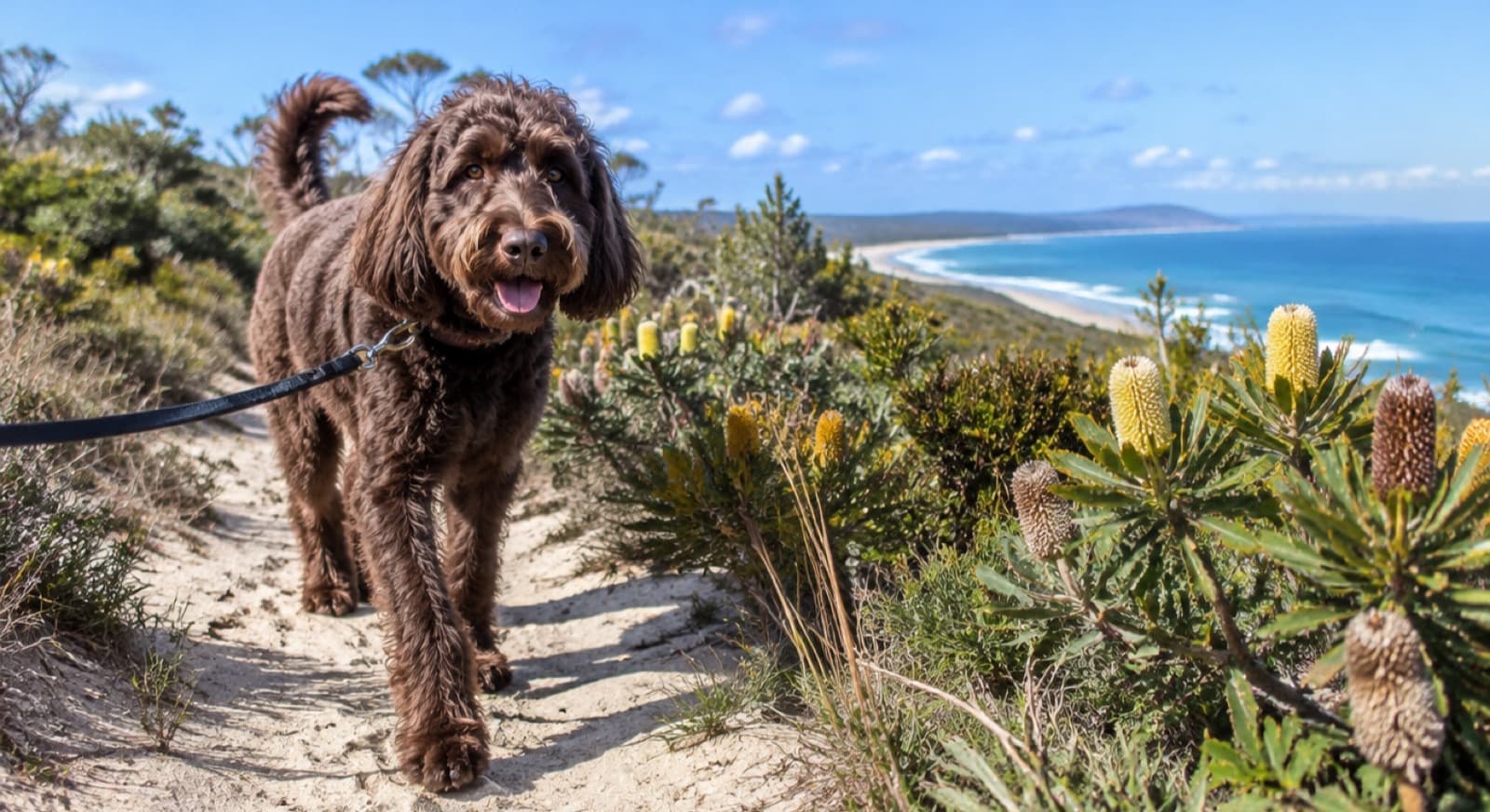
The short answer
You can adopt a Labradoodle on the Sunshine Coast, but they place fast. Watch the Sunshine Coast Animal Refuge at Tanawha, RSPCA Queensland's centres at Gympie and Dakabin, and PetRescue, and set an alert. The fee covers desexing, vaccination, microchipping and a vet check, far below a breeder price. Expect an active, people-focused dog that needs a real walk, mental work and regular clipping. Year-round tick prevention matters on the Sunshine Coast.
How often Labradoodles appear in rescue
Across the Sunshine Coast rescues we aggregate, Labradoodles are uncommon at any one time, and puppies are rare. Most rescue Labradoodles are adults, often listed as “Poodle cross” or “Labrador cross”, so search those terms too. An adult is good news with a crossbreed, because you can see the size, coat and energy it actually grew into.
For the general doodle background, including coat types and why so many doodles reach rescue, see our Cavoodle adoption guide. This page covers what is specific to the Labradoodle.
Where to look on the Sunshine Coast
- Sunshine Coast Animal Refuge (SCARS): the region's independent, non-euthanasia refuge at Tanawha, taking Sunshine Coast Council pound dogs and owner surrenders. Every dog is vet checked, vaccinated, desexed and microchipped. Listings at sippycreek.com.au.
- RSPCA Queensland: the nearest adoption centres are at Gympie and Dakabin, both by appointment. Browse at rspcaqld.org.au.
- Foster-based and oodle rescues: South East Queensland volunteer groups see Poodle crosses more often than the big shelters. A foster carer can describe the dog's coat, energy and how it copes alone.
- PetRescue: one search across many smaller Queensland rescues, at petrescue.com.au.
What a rescue Labradoodle costs
SCARS does not publish a dog fee, so check each listing; rescue fees run a few hundred dollars, all-inclusive, and puppies usually cost more than adults. A breeder Labradoodle puppy costs several thousand dollars, and the rescue fee already includes:
- Desexing
- Vaccinations to date and a microchip
- A vet check, with known conditions disclosed
- For an adult, a known coat type and temperament
Grooming is the main ongoing cost. Curlier coats need brushing between visits and a clip every couple of months to stop matting. A shaggier, more Labrador-like coat needs less clipping but sheds more.
Browse Labradoodles in Sunshine Coast rescue
Current listings of Labradoodles and oodle crosses from Sunshine Coast and Queensland rescues.
See Available Labradoodles →Energy and company
Both parent breeds are active and clever, so a Labradoodle is busier than its teddy-bear look suggests. It needs a good daily walk or run and something to think about, such as training games or puzzle feeders. A bored Labradoodle can dig, chew or bark.
It is also a people dog: long days alone are hard for it, and some develop separation anxiety. If you work long hours away from home, ask the foster carer how the dog copes when left, and plan a gentle routine for the first weeks.
On the plus side, Labradoodles are usually friendly, sociable and good with children and other dogs; a well-matched rescue Labradoodle is a devoted family companion.
Coat, allergies and health
Labradoodle coats vary from low-shedding wool or fleece to a looser, shedding coat, and no dog is allergy-free. The Australasian Society of Clinical Immunology and Allergy notes that some low-shedding dogs spread less allergen, but the only reliable test is time with the particular dog.
As a Labrador and Poodle cross, a Labradoodle can inherit hip and elbow dysplasia, eye conditions such as progressive retinal atrophy, and ear infections from its floppy ears. Humid weather and swimming make ear trouble more likely, so dry the ears after a swim. A rescue dog arrives vet-checked, so ask what the check found. The Labrador adoption guide covers the Labrador side.
Heat, ticks and dog rules on the Sunshine Coast
A thick coat holds heat, so keep a Labradoodle clipped shorter in summer and walk in the cool of early morning or evening. Carry water and give the dog a cool spot indoors, and never leave a dog in a parked car.
The paralysis tick is a year-round danger along the Sunshine Coast and through the hinterland, and it can be fatal. A dense coat hides ticks, so keep a vet-recommended prevention product going all year and search the coat after bushland walks. Animal Emergency Service at Tanawha and SASH Sunshine Coast at Sippy Downs are both open 24 hours.
Sunshine Coast Council changed its dog rules on 3 July 2026, with new on-leash buffers and some bushland reserves closed to dogs. Check the council's off-leash areas page before you head to the beach.
Registration and the Queensland scam check
Under the Animal Management (Cats and Dogs) Act 2008, dogs must be microchipped before 12 weeks or before they change hands, and registered with your council from 12 weeks. Sunshine Coast Council charges $63 a year for a desexed dog, or $35 for pensioners. Noosa sets its own fees for the north of the region.
Oodle crosses are valuable, which makes them scam bait. Any Queensland dog born on or after 26 May 2017 that is sold, given away or advertised must show a supply number from the Queensland Dog Breeder Register. Check it, and the microchip number, before you pay anything. A cheap Labradoodle puppy or a deposit for a dog you have not met is a red flag that Scamwatch warns about.
Frequently Asked Questions
Can you adopt a Labradoodle on the Sunshine Coast?
Yes, with patience. Across the Sunshine Coast rescues we aggregate, Labradoodles are uncommon at any one time, and most that appear are adults rather than puppies. Watch the Sunshine Coast Animal Refuge (SCARS) at Tanawha, RSPCA Queensland's centres at Gympie and Dakabin, and PetRescue. Set an alert and keep your application ready, because oodle crosses are matched fast.
How much does a rescue Labradoodle cost?
SCARS does not publish a dog fee, so the price is on each listing. Rescue fees run a few hundred dollars, all-inclusive, and puppies usually cost more than adults. The fee covers desexing, vaccination, microchipping and a vet check. A Labradoodle puppy from a breeder costs several thousand dollars, with that vet work still to pay.
What is a Labradoodle, and why do they reach rescue?
A Labradoodle is a Labrador crossed with a Poodle, first bred in Australia in the late 1980s for a friendly nature and a low-shedding coat. They reach rescue when the energy or the grooming is underestimated, or after an ordinary life change like a move or a new baby. Some come from backyard breeders cashing in on demand. It is rarely the dog's fault.
Does a Labradoodle shed?
It depends on the dog. Coats range from a low-shedding wool or fleece coat to one that sheds like a Labrador. No dog is allergy-free, though some people react less to low-shedding breeds. An adult rescue Labradoodle shows you its real coat, and the best test is time spent with that particular dog.
Is a Labradoodle a good family dog?
Usually an excellent one, for an active family. Labradoodles are friendly, sociable and good with children and other dogs. They are also more energetic than many people expect, and they do not cope well with long days alone. A foster carer can tell you a particular dog's energy level and how it copes when left.
How do I avoid a Labradoodle scam in Queensland?
Check the numbers before any money moves. A Queensland dog born on or after 26 May 2017 that is sold, given away or advertised must show a breeder supply number, and every dog must be microchipped before it changes hands. A cheap Labradoodle puppy, a missing supply number, or a deposit request for a dog you have not met is a warning sign.
Keep reading
Adoptable Labradoodles on the Sunshine Coast
Current listings of Labradoodles and oodle crosses from Queensland rescues.
Groodle Adoption on the Sunshine Coast
The Golden Retriever and Poodle cross: size, energy and what to plan for.
Cavoodle Adoption on the Sunshine Coast
The small doodle: coat types, why doodles reach rescue, and the wait to expect.
Sunshine Coast Adoption Resources
Guides on adopting, costs, council rules and settling a rescue dog on the Sunshine Coast.