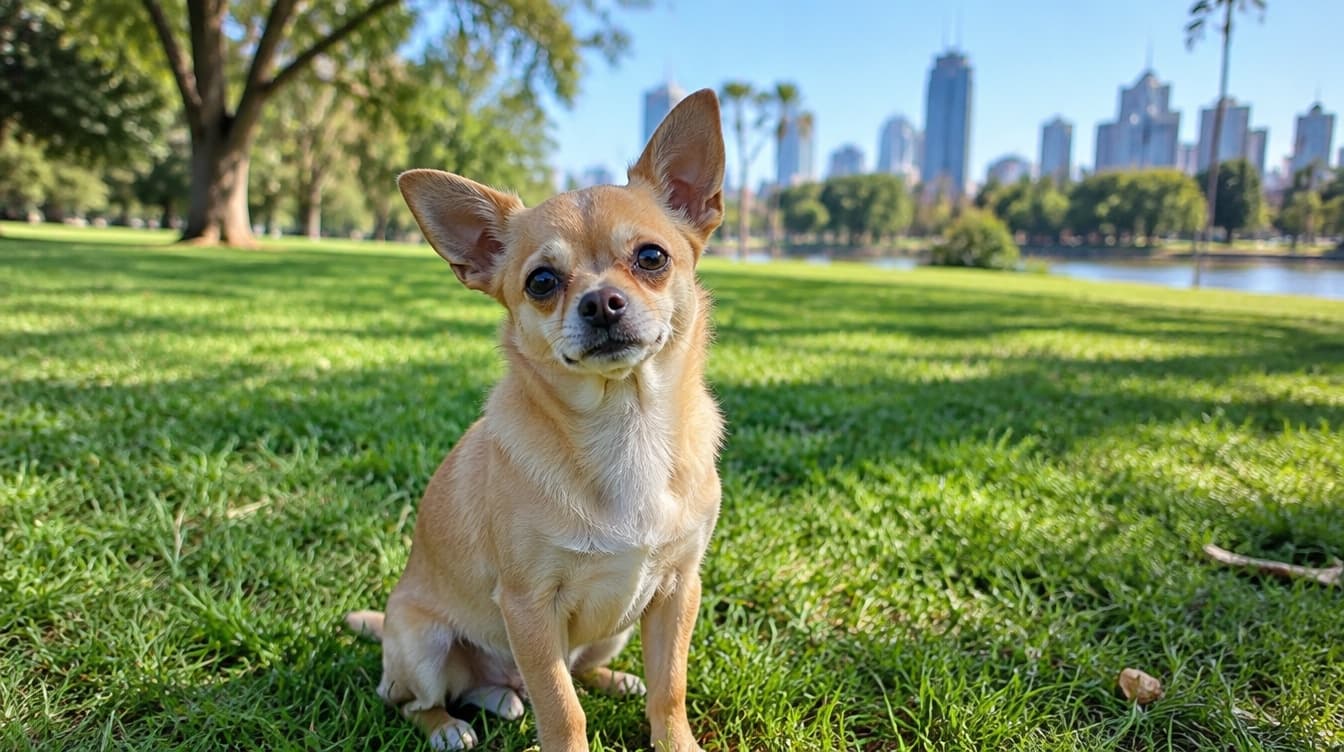
The short answer
You can readily adopt a Chihuahua on the Sunshine Coast, because they are one of the most common small dogs in rescue. Set alerts across the Sunshine Coast Animal Refuge at Tanawha, RSPCA Queensland's nearest centres at Gympie and Dakabin, and PetRescue, be application-ready, and stay open to a Chihuahua cross or an older dog. Adoption runs about $350 to $700 for an adult, all-inclusive, against well into the thousands from a breeder, and the breed is not restricted in Queensland. The honest part is the temperament: a Chihuahua needs early socialisation and gentle, consistent training to avoid becoming snappy or anxious, it is fragile around rough handling, and it bonds hard to its people. Meet those needs and you have a devoted, lively companion for a decade and more.
Why Chihuahuas end up in Sunshine Coast rescue
Understanding why Chihuahuas reach rescue tells you most of what you need to know about living with one, because the reasons are rarely the dog's fault.
Overbreeding and oversupply. The Chihuahua is a perennially popular small breed, which means a great many are bred, including by backyard breeders and puppy farms chasing a quick sale. That oversupply feeds straight into rescue when the novelty wears off or the breeding dogs are discarded, and it is the single biggest reason the breed is common in shelters.
Under-socialisation and behaviour. A Chihuahua is a real dog in a tiny body, and when it is treated as an accessory, carried everywhere and never taught that the world is safe, it can become snappy, anxious or fiercely over-attached to one person. Owners who wanted an easy lap ornament surrender the dog when the behaviour appears. With patient, consistent handling the same dog settles into a confident little companion.
Owner life changes. Chihuahuas are long-lived, often reaching their mid-teens, so a steady number reach rescue when an elderly owner dies or moves into care, or after a relationship breakdown or a house move. These dogs usually come with no behaviour problem at all, just a life that changed around them.
Where to adopt a Chihuahua or Chihuahua cross on the Sunshine Coast
Chihuahuas are common enough in rescue that a wide alert net usually pays off quickly. Set listing alerts on every rescue you would consider and be application-ready so you can move when the right dog appears. For a fuller directory, see our Sunshine Coast adoption resources hub.
1. Sunshine Coast Animal Refuge (SCARS)
The region's own shelter, an independent non-euthanasia refuge at Tanawha that has run since 1979 and takes in Sunshine Coast Council pound dogs and owner surrenders. Small dogs including Chihuahuas and Chihuahua crosses come through regularly, every dog is vet checked, vaccinated, wormed, desexed and microchipped before it is listed, and adoption runs on a questionnaire plus a meet at the refuge, with a property check where needed, so staff can tell you honestly how a given dog is with people and other pets. Open Tuesday to Sunday. Current listings on sippycreek.com.au.
2. RSPCA Queensland
There is no RSPCA adoption centre on the Sunshine Coast itself (Eumundi is the wildlife hospital), but the state body's nearest centres sit either side of the region, at Gympie to the north and Dakabin to the south. Chihuahuas and small crosses come through often via owner surrender, and both centres rehome dogs by appointment with desexing, vaccination, microchipping, a vet workup and a behavioural assessment included. Browse at rspcaqld.org.au.
3. PetRescue and foster-based rescues
PetRescue is a national aggregator that lists Chihuahuas and small-dog crosses from many smaller Queensland rescues in one searchable place, at petrescue.com.au. Small-dog and foster-based rescues across Queensland take these dogs too, including a long-running volunteer rescue on the Sunshine Coast that rehomes dogs and cats from foster homes. Because the dogs live in foster homes, the notes on a Chihuahua's temperament, toilet training and behaviour with children and other pets tend to be detailed and honest, which is exactly what you need to match a small dog to the right home.
Be wary of any group that asks for money before you have confirmed a real address, a current adoptable-dog list and charitable status. Browse the current Chihuahuas and Chihuahua crosses on the Sunshine Coast Chihuahua listings.
What a Chihuahua costs: adopt versus buy
Adoption is far cheaper at the outset. A rescue fee for an adult Chihuahua or Chihuahua cross through a Sunshine Coast rescue commonly runs about $350 to $700, and the rare puppy around $650, and that fee already covers desexing, vaccination, microchipping, worm and flea treatment and a vet check. The Sunshine Coast Animal Refuge publishes no fee schedule, so take the figure from each listing.
A Chihuahua from a breeder in Queensland, by contrast, often runs well into the thousands, with none of that vet work done yet. So adopting is many times cheaper up front, the dog arrives already vetted, and if you adopt an assessed adult you can see the temperament rather than gamble on a puppy.
The ongoing costs are modest for such a small dog, but plan for them honestly. Dental disease is a real weak point in the breed, so budget for regular dental care. Keep up year-round paralysis tick and parasite prevention with a vet-recommended monthly product, essential everywhere in South East Queensland, and take out pet insurance while the dog is young. Council registration under the Animal Management (Cats and Dogs) Act 2008 is annual and set by your council: Sunshine Coast Council for most of the region, Noosa Council for the shire's north. Both charge a desexed dog a much lower fee than an entire one, register a puppy under six months free, and give pensioners a further discount, so a rescue dog always registers at the low rate. Check the current figure on the Sunshine Coast Council or Noosa Council registration page.
Chihuahuas and the Queensland rules
The Chihuahua is not a restricted breed in Queensland, so there are no special legal hurdles. Under the Animal Management (Cats and Dogs) Act 2008 a Chihuahua simply needs to be microchipped before 12 weeks of age or before it changes hands, and registered with your local council from 12 weeks, with a substantially reduced fee for a desexed and microchipped dog. A rescue Chihuahua arrives already desexed and microchipped. Check the current rules and fees on the Sunshine Coast Council or Noosa Council registration page before you rely on a figure. If you rent or live under a body corporate, a small dog is usually an easy case, but confirm pets are allowed in writing before you apply.
Browse adoptable Chihuahuas on the Sunshine Coast
Chihuahuas are one of the most available small dogs in rescue. Browse live Queensland listings and set an alert so you hear the moment the right one comes in.
See Available Chihuahuas →If you have been searching “Chihuahua for sale Sunshine Coast”
Plenty of people arrive here after searching for a Chihuahua to buy, and the for-sale listings outnumber the rescue ones, so buying can feel like the only route. But popular small breeds are among the most heavily bred and most scammed in Australia, and the Chihuahua is a prime target for fake listings and puppy-farm litters. A cheap puppy or a deposit request for a dog you have not met in person is a warning sign rather than a bargain, and the ACCC Scamwatch has documented deposit scams for puppies that do not exist.
A seller who will not show you the puppy with its mother at their property is a red flag rather than a mark of quality. Anyone selling or giving away a dog born on or after 26 May 2017 in Queensland must display a breeder supply number under the Queensland Dog Breeder Register, which is one more thing a legitimate seller can show you. Adoption sidesteps much of that: it costs a fraction of a breeder price, gives a vet-checked dog a home, and an assessed adult Chihuahua asks far less guesswork about temperament than a puppy. The RSPCA Australia Knowledgebase has good guidance on choosing a dog and avoiding poorly bred puppies.
Is a Chihuahua right for you?
A Chihuahua suits someone who wants a small, devoted, characterful companion and will treat it as a real dog rather than an ornament. It needs gentle, consistent handling, early and ongoing socialisation so it stays confident rather than snappy, and protection from rough handling because it is genuinely fragile. It bonds hard to its people and is happiest with company, so it fits a home that is around a fair bit. It is a good match for apartment and body-corporate living on the Sunshine Coast, provided you still walk it and give it mental stimulation. Families with very young children should think carefully, since a tiny dog and a toddler are a fragile combination, but a calmer adult home or one with gentle older children is often ideal.
Adult or puppy, and how to choose
For almost every adopter an assessed adult is the better choice. An adult Chihuahua has a known temperament the rescue can describe, so you can be matched to a dog that suits your household, and it often arrives with some training and a lower adoption fee. Puppies are rarer in rescue, need careful socialisation in the first few months to avoid becoming fearful or snappy, and are extremely fragile while tiny.
When you choose, read the foster carer's notes closely. They will tell you how a specific dog does with children, other dogs, strangers and being left alone, and that record predicts the fit far better than the breed average. Older, settled Chihuahuas are often the ones that wait longest and make the gentlest, most grateful companions.
Frequently Asked Questions
Where can I adopt a Chihuahua near me on the Sunshine Coast?
Start with the Sunshine Coast Animal Refuge (SCARS) at Tanawha, the region's own shelter, and RSPCA Queensland's nearest adoption centres at Gympie to the north and Dakabin to the south, both appointment based. A long-running volunteer rescue on the Sunshine Coast rehomes small dogs from foster homes too. Chihuahuas and Chihuahua crosses are one of the more common small dogs in rescue, so you have a real chance of finding one, though the cutest young ones are snapped up fast. Set listing alerts across every rescue you would consider, have your application ready, and stay open to a cross or an older dog. PetRescue lists small dogs from many smaller Queensland rescues in one place. Never send money before you have confirmed a real, registered rescue.
Why do Chihuahuas end up in rescue?
Usually for reasons that have nothing to do with the dog. Chihuahuas are a very popular small breed, which means a lot are bred, including by backyard and puppy-farm operations, and oversupply feeds straight into rescue. Behaviour is another thread: a Chihuahua that was never socialised or was treated as an accessory rather than a dog can become snappy, anxious or over-attached, and owners who wanted a cuddly lap dog surrender it. Others reach rescue through owner life changes, a move, or the death of an elderly owner, since the breed is long-lived and often outlives the person who raised it. The temperament is usually intact and just needs patient, consistent handling.
How much does it cost to adopt a Chihuahua versus buy one?
Adoption is far cheaper up front. A rescue fee for an adult Chihuahua or Chihuahua cross through a Sunshine Coast rescue commonly runs about $350 to $700, and the rare puppy around $650, and that fee already covers desexing, vaccination, microchipping, worm and flea treatment and a vet check. A Chihuahua from a breeder in Queensland, by contrast, often runs well into the thousands, with none of that vet work done yet. So adopting is many times cheaper at the outset and the dog arrives already vetted. The ongoing costs are small-dog sized, but budget for dental care, which is a real weak point in the breed, year-round paralysis tick and parasite prevention, and pet insurance taken out while the dog is young.
Are Chihuahuas restricted in Queensland?
No. The Chihuahua is not a restricted breed in Queensland and never has been. Like any dog it simply needs to be microchipped before 12 weeks of age or before it changes hands, and registered with your local council from 12 weeks. Under the Animal Management (Cats and Dogs) Act 2008, a desexed and microchipped dog usually pays a substantially reduced registration fee. Check the current rules and fees on the Sunshine Coast Council or Noosa Council registration page before you rely on a figure, because they change.
Are Chihuahuas good with children?
It depends on the household and the individual dog. A well-socialised Chihuahua can be affectionate and lively, but the breed is tiny and fragile, so it is easily hurt by rough or sudden handling, and some are nervous or snappy with children they do not know. Many Chihuahuas do best in a calmer adult home or with older, gentle children who understand how to handle a small dog. The foster carer's notes on how a specific dog is with kids predict the fit far better than the breed average, so ask the rescue.
Do Chihuahuas cope with the Sunshine Coast climate?
Reasonably well, with care. Chihuahuas are a warm-climate breed and generally handle heat better than thick-coated dogs, but they still need shade, fresh water and cool-of-the-day walks through a Sunshine Coast summer, and the smooth-coated ones can actually feel the cold on a winter morning and appreciate a jumper. Year-round paralysis tick and parasite prevention is essential everywhere in South East Queensland, so keep a vet-recommended monthly product up to date whatever the size of the dog.
Should I adopt an adult Chihuahua or a puppy?
For most adopters an adult is the better choice. An adult Chihuahua has a known temperament the rescue can describe, so you can be matched to a dog that suits a family, a quiet adult home or a first-time small-dog owner, and it often comes with some training and a lower adoption fee. Chihuahua puppies are rarer in rescue, need careful socialisation to avoid becoming snappy or fearful, and are extremely fragile while tiny. An assessed adult, matched to your household, is the lower-risk and often kinder choice.
Is it safe to buy a Chihuahua online?
Be careful. Popular small breeds are heavily bred and heavily scammed in Australia, and the Chihuahua is a prime target for fake listings and puppy-farm litters. A cheap puppy, a deposit request for a dog you have not met in person, or a seller who will not show you the mother is a warning sign rather than a bargain, and the ACCC Scamwatch has documented deposit scams for puppies that do not exist. Anyone selling or giving away a dog born on or after 26 May 2017 in Queensland must display a breeder supply number. Adoption sidesteps most of that risk: it costs a fraction of a breeder price, the dog is already vet-checked, and an assessed adult asks far less guesswork about temperament.
Keep reading
Adoptable Chihuahuas on the Sunshine Coast
Live listings of Chihuahuas and Chihuahua crosses across the Sunshine Coast and Queensland rescues.
Chihuahua Breed Guide
The Australia-wide guide to the breed, its dental and fragility risks, and what a Chihuahua needs day to day.
Adopt a Dog on the Sunshine Coast
Every rescue dog listed across the Sunshine Coast, with filters for size, age and household fit.
All Sunshine Coast Adoption Guides
Browse every breed and how-to guide for adopting a rescue dog on the Sunshine Coast.