The short answer
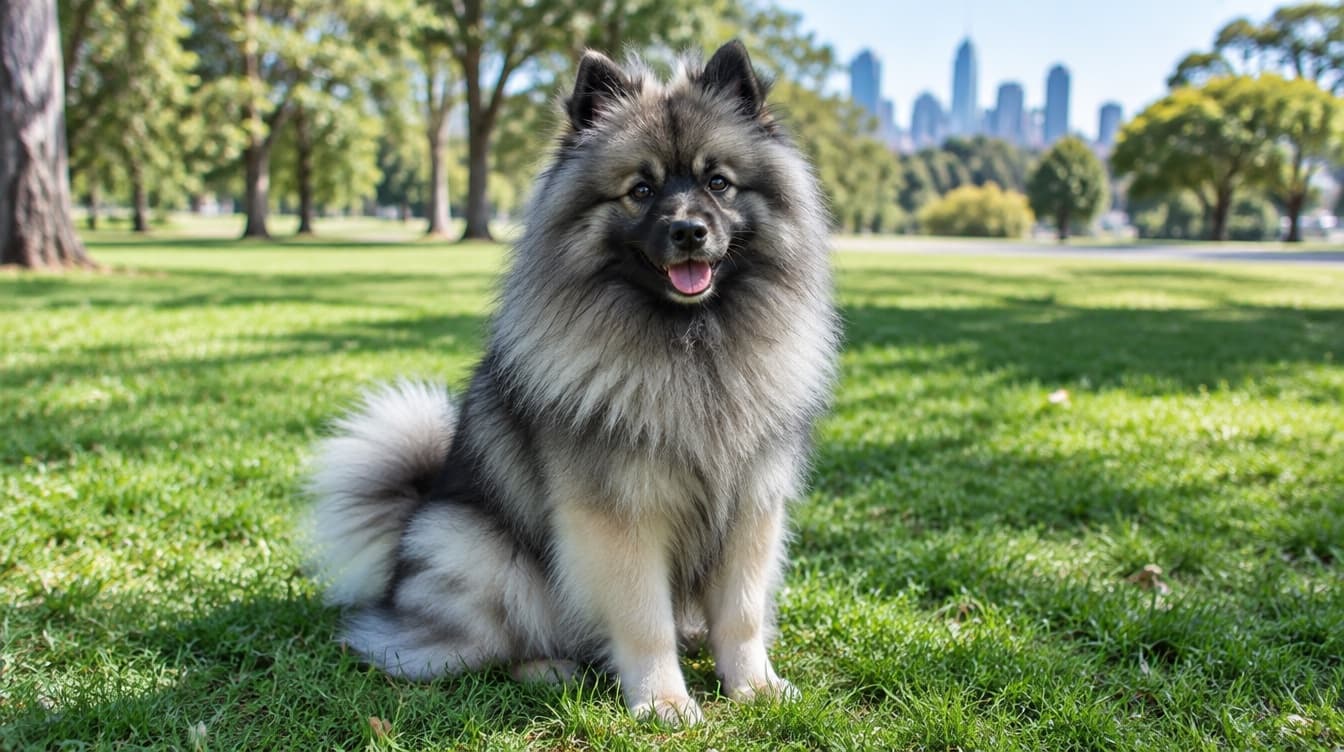
You can adopt a Keeshond on the Gold Coast, but the breed is uncommon, so be patient. Set alerts across AWLQ (whose Gold Coast rehoming centre is at Coombabah), RSPCA Queensland and PetRescue, be application-ready, and stay open to a spitz cross or an older dog. Adoption runs about $400 to $450 for an adult, all-inclusive, against several thousand dollars from a breeder. The honest part is upkeep: the thick double coat needs regular brushing and sheds heavily, the breed is a vocal watchdog, and the coat needs heat and tick management in a Queensland summer (brush, never shave). Meet those needs and you have an affectionate, cheerful, people-focused companion.
Why Keeshonds end up in Gold Coast rescue
The coat and the shedding. The Keeshond carries a thick, profuse double coat that needs regular brushing and sheds heavily in seasonal drops. Owners who did not plan for the grooming and the hair can find it more than they bargained for, and a neglected coat matts, which sometimes ends in surrender.
The watchdog voice. This breed is naturally alert and vocal, quick to announce visitors and noises. In close housing or under a body corporate, barking that is not managed causes friction, and that is a real driver of surrender on the Gold Coast.
Company and life changes. The Keeshond bonds closely and does not suit being left alone all day, so a lonely, bored one gets noisy and anxious. Add a house move or a relationship breakdown and a steady few reach rescue. The temperament is usually delightful, so a Keeshond in rescue is rarely a problem dog, just one whose care or voice did not suit its last home.
Where to adopt a Keeshond or spitz cross on the Gold Coast
Because Keeshonds are uncommon in rescue, a wide alert net is the right approach. For a fuller directory, see our Gold Coast adoption resources hub.
1. Animal Welfare League Queensland (AWLQ)
A long-running South East Queensland no-kill charity, and its flagship Gold Coast rehoming centre at Coombabah is the main Gold Coast shelter. Keeshonds are uncommon on the roster but spitz-type dogs do appear. Adoption includes desexing, vaccination, microchipping, a vet workup and a behavioural assessment. Current listings on awlq.org.au.
2. RSPCA Queensland
The state body handles Gold Coast adoptions through its statewide network, including a Gold Coast Adoption Centre, with its main Animal Care Campus at Wacol in Brisbane. Keeshonds and spitz crosses come through occasionally via owner surrender, and every adoption includes desexing, vaccination, microchipping, a vet workup and a behavioural assessment. Browse at rspcaqld.org.au.
3. PetRescue and foster-based rescues
PetRescue is a national aggregator that lists Keeshonds and spitz crosses from many smaller Queensland rescues in one searchable place, at petrescue.com.au. Because foster dogs live in homes, the notes on a Keeshond's coat, voice and behaviour with people and other pets tend to be detailed and honest, which is exactly what you need to judge the fit.
Some adopters search for a dedicated Queensland Keeshond or spitz rescue, but we cannot verify a currently active organisation by that name, so use the general rescues above, set alerts, and be wary of any group that asks for money before you have confirmed a real address, a current adoptable-dog list and charitable status. Browse the current Keeshonds and spitz crosses on the Gold Coast Keeshond listings.
What a Keeshond costs: adopt versus buy
Adoption is far cheaper at the outset. A rescue fee for an adult Keeshond or spitz cross through a Gold Coast rescue commonly runs about $400 to $450, and the rare puppy around $650, and that fee already covers desexing, vaccination, microchipping, worm and flea treatment and a vet check.
A Keeshond from a breeder in Queensland, by contrast, often runs to several thousand dollars, with none of that vet work done yet, and because the breed is uncommon here breeder waitlists are long. So adopting is many times cheaper up front, the dog arrives already vetted, and an assessed adult shows you the real coat and temperament.
The ongoing cost worth planning for is grooming, because the thick double coat needs regular brushing to stay healthy and manage the shedding. Add year-round paralysis tick and parasite prevention (a vet-recommended monthly product, essential everywhere in South East Queensland), and council registration under the Animal Management (Cats and Dogs) Act 2008, a modest annual fee substantially reduced for a desexed and microchipped dog, payable to the City of Gold Coast.
Queensland rules and the coat: what to plan for
The Keeshond is not a restricted breed in Queensland and is legal to own and rehome normally. Under the Animal Management (Cats and Dogs) Act 2008 a dog simply needs to be microchipped before 12 weeks of age or before it changes hands, and registered with your local council from 12 weeks, with a reduced fee for a desexed and microchipped dog. Check the current rules and fees on the City of Gold Coast page before you rely on a figure.
The real planning is the coat, the voice and the climate. The thick double coat needs regular brushing, sheds heavily, holds heat, and must never be shaved to the skin, so exercise in the cool of the day in a Gold Coast summer and keep up tick checks through the coat. The watchdog bark is worth managing early with training, especially in close housing. Keeshonds are a fairly healthy breed, but they can carry some inherited conditions, so ask the rescue what the in-care vet check found and keep up routine care.
Browse adoptable Keeshonds on the Gold Coast
Keeshonds are uncommon in rescue, so set an alert and an adult lets you see the real coat and temperament. Browse live Queensland listings now.
See Available Keeshonds →If you have been searching “Keeshond for sale Gold Coast”
Plenty of people arrive here after searching for a Keeshond to buy, because the breed is uncommon and the for-sale listings are where people look first. But an uncommon, in-demand breed is a target for fake ads and backyard breeding in Australia, and a cheap puppy or a deposit request for a dog you have not met in person is a warning sign rather than a bargain. The ACCC Scamwatch has documented deposit scams for puppies that do not exist.
A seller who will not show you both healthy parents at their property is a red flag rather than a mark of quality. Anyone selling or giving away a dog born on or after 26 May 2017 in Queensland must display a breeder supply number under the Queensland Dog Breeder Register, which a legitimate seller can show you. Adoption sidesteps much of that: it costs a fraction of a breeder price, gives a vet-checked dog a home, and an assessed adult tells you the real coat and temperament. The RSPCA Australia Knowledgebase has good guidance on choosing a dog and avoiding poorly bred puppies.
Adult or puppy, and is a Keeshond right for you?
For almost every adopter an assessed adult is the better choice, and Keeshond puppies are rare in rescue anyway. An adult shows you the real coat, size and temperament rather than a gamble, often has some training in place, and comes with a lower adoption fee. The rescue or foster carer can tell you how vocal the dog is and how it is with people, other dogs and being left alone.
Be honest about the fit. A Keeshond is a friendly, cheerful, affectionate companion for a home that can give it company, daily exercise, a real grooming commitment and training to manage the bark. It is not a low-maintenance or leave-all-day dog. Read the foster carer's notes on the specific dog with children, other pets and barking. Meet those needs and a rescue Keeshond is a warm, devoted family companion.
Frequently Asked Questions
Where can I adopt a Keeshond near me on the Gold Coast?
Start with Animal Welfare League Queensland (AWLQ), whose flagship Gold Coast rehoming centre is at Coombabah, and RSPCA Queensland, which handles Gold Coast adoptions through its statewide network including a Gold Coast Adoption Centre. Be realistic about supply. The Keeshond is an uncommon breed in Australia, so purebreds are rare in rescue and spitz crosses appear more often. Set listing alerts across every rescue you would consider, have your application ready, and stay open to a cross or an older dog. PetRescue lists dogs from many smaller Queensland rescues in one place. Never send money before you have confirmed a real, registered rescue.
Why do Keeshonds end up in rescue?
Usually because the coat and the voice outran what the owner expected. The Keeshond carries a thick, profuse double coat that needs regular brushing and sheds heavily in seasonal drops, and it is a naturally vocal watchdog that will bark to announce visitors and noises. Owners who did not plan for the grooming or who live somewhere that barking causes friction can find themselves out of their depth. Others reach rescue through a house move, a relationship breakdown or an owner who simply underestimated the commitment. The temperament is usually delightful, so a Keeshond in rescue is rarely a problem dog, just one whose care or voice did not suit its last home.
How much does it cost to adopt a Keeshond versus buy one?
Adoption is far cheaper up front. A rescue fee for an adult Keeshond or spitz cross through a Gold Coast rescue commonly runs about $400 to $450, and the rare puppy around $650, and that fee already includes desexing, vaccination, microchipping, worm and flea treatment and a vet check. A Keeshond from a breeder in Queensland, by contrast, often runs to several thousand dollars, with none of that vet work done yet, and because the breed is uncommon here breeder waitlists are long. So adopting is many times cheaper at the outset and the dog arrives already vetted. The ongoing cost worth planning for is grooming, because the thick double coat needs regular brushing, plus year-round paralysis tick and parasite prevention everywhere in South East Queensland.
Are Keeshonds heavy shedders?
Yes. The Keeshond has a thick double coat and sheds steadily year-round with heavier seasonal drops, when it loses large amounts of undercoat. Regular brushing, at least weekly and more during a coat drop, keeps the coat healthy and the shedding manageable, and it is not a low-maintenance or low-shedding breed. Do not shave the double coat to cope with shedding or heat: the coat protects the dog from sun and insulates against both heat and cold, and shaving can damage how it regrows. A reputable groomer will keep it brushed out and tidy rather than clipped to the skin.
Are Keeshonds good family dogs?
Generally yes. The Keeshond is friendly, affectionate, outgoing and people-focused, often called the smiling Dutchman, and it is usually good with children and other dogs. It bonds closely to its family and does not like being left alone all day, so it suits a home with company. The main things to plan for are the grooming and the watchdog bark. As always, a foster carer who has lived with the specific dog can tell you how it is with kids and other pets, which matters more than the breed average.
Do Keeshonds handle the Queensland heat?
They cope if you manage it, but the thick double coat means heat needs respect. Exercise in the cool of the morning or evening in a Gold Coast summer, provide shade and fresh water, and never leave a dog in a car. Do not shave the coat down in the belief it cools the dog: the double coat gives protection from sun and heat, and a groomer should brush it out and tidy it rather than clip it to the skin. Year-round paralysis tick prevention is essential everywhere in South East Queensland, and a thick coat makes daily tick checks harder, so part the coat and check carefully.
Do Keeshonds bark a lot?
They can. The Keeshond was bred as a watchdog and is naturally alert and vocal, quick to bark at visitors, noises and movement. That is manageable with training and enough exercise and mental work, but it is worth being honest about, especially if you live close to neighbours or under a body corporate on the Gold Coast. Reward-based training to settle the barking, plus a dog that is well-exercised and not bored, makes a big difference. Ask the foster carer how vocal the specific dog is before you commit.
Should I adopt an adult Keeshond or a puppy?
For most adopters an assessed adult is the better choice, and Keeshond puppies are rare in rescue anyway. An adult shows you the real coat, size and temperament rather than a gamble, often has some training in place, and comes with a lower adoption fee. The rescue or foster carer can tell you how the dog is with people, other dogs, barking and being left alone. A puppy is a big commitment of training, socialisation and coat care in the first months.
Are there Keeshond rescues in Queensland?
There is no Queensland Keeshond-specific rescue we can verify as currently active, so the reliable route is the general rescues. AWLQ, whose Gold Coast rehoming centre is at Coombabah, RSPCA Queensland, and spitz and small-to-medium foster networks across Queensland all rehome Keeshonds and spitz crosses when they come in, and PetRescue lists them from many smaller Queensland rescues in one place. Because the breed is uncommon, a wide alert net beats waiting on one specialist group. Set listing alerts and be application-ready. Never send a deposit to a group you cannot confirm is genuine.
Is it safe to buy a Keeshond online?
Be careful. Because the Keeshond is uncommon and in demand in Australia, online listings are a target for fake ads and backyard breeders. A cheap puppy, a deposit request for a dog you have not met in person, or a seller who will not show you both healthy parents is a warning sign rather than a bargain, and the ACCC Scamwatch has documented deposit scams for puppies that do not exist. Anyone selling or giving away a dog born on or after 26 May 2017 in Queensland must display a breeder supply number under the Queensland Dog Breeder Register. Adoption sidesteps most of that: it costs a fraction of a breeder price, the dog is already vet-checked, and an assessed adult tells you the real temperament and coat.
Keep reading
Adoptable Keeshonds on the Gold Coast
Live listings of Keeshonds and spitz crosses across the Gold Coast and Queensland rescues.
Best Dog Rescues on the Gold Coast
The verified shelters and foster rescues to set alerts with across the Gold Coast and Queensland.
Dog Adoption on the Gold Coast
Browse adoptable dogs and every breed guide for the Gold Coast.
All Gold Coast Adoption Guides
Browse every breed and how-to guide for adopting a rescue dog on the Gold Coast.