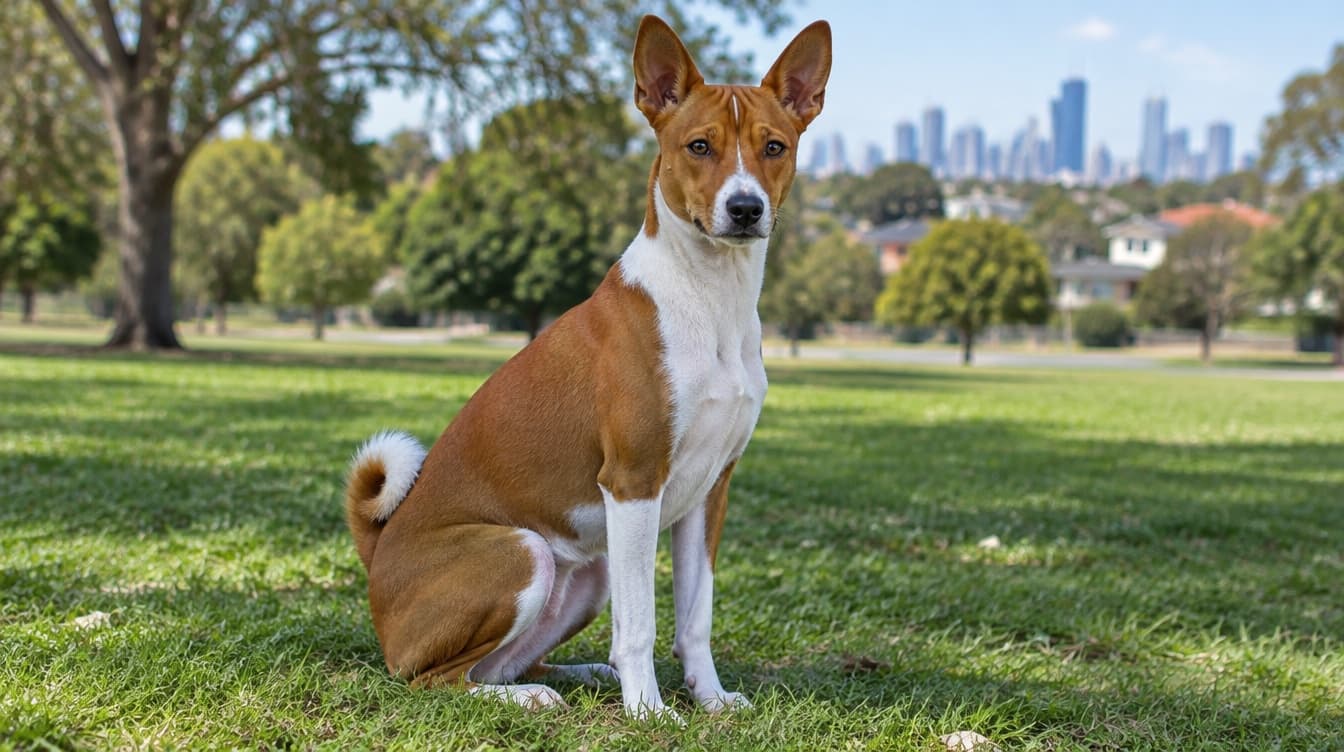
The short answer
You can adopt a Basenji on the Gold Coast, but only if you want exactly what the breed is: a clever, aloof, barkless African hound with a strong prey drive and a talent for escaping. Purebreds are uncommon in rescue, so set alerts across AWLQ (whose Gold Coast rehoming centre is at Coombabah), RSPCA Queensland and PetRescue, be application-ready, and stay open to a hound-type cross or an older dog. Adoption runs about $400 to $450 for an adult, all-inclusive, against several thousand dollars from a breeder, and the breed is not restricted in Queensland. Plan for secure high fencing, on-lead exercise, mental enrichment and care around small pets, and ask about the breed's inherited kidney condition. Match the quirks and you have a fascinating, characterful companion.
Why Basenjis end up in Gold Coast rescue
Understanding why a breed lands in rescue tells you whether it fits your life. With the Basenji, it is almost always a temperament mismatch.
It is cat-like, not biddable. The Basenji is independent, self-directed and aloof, and it is not naturally eager to please the way many dogs are. Owners who expected an obedient companion are often frustrated by the stubbornness and the sense that the dog has its own agenda.
Prey drive and escaping. This is a hunting hound with a powerful prey drive, poor off-lead recall, and a genuine talent for climbing, digging and working gates. Without secure fencing and on-lead exercise, it gets loose and chases, and that is a common path to surrender.
Boredom turns destructive. A clever dog that is under-exercised or left alone too long will chew, dig and find trouble. The intelligence that makes the breed fascinating also makes it demanding.
What this means for you. A Basenji in rescue is not a broken dog. It is a characterful hound whose quirks outran an owner who wanted something easier. If you specifically want an independent, clever, low-barking dog and can provide secure fencing and enrichment, you are looking at a wonderful, unusual companion. If you wanted a cuddly, obedient family dog, this is not the breed.
Where to adopt a Basenji or hound cross on the Gold Coast
Because Basenjis are rare in general rescue, a wide alert net is the right approach. For a fuller directory, see our Gold Coast adoption resources hub.
1. Animal Welfare League Queensland (AWLQ)
A long-running South East Queensland no-kill charity, and its flagship Gold Coast rehoming centre at Coombabah is the main Gold Coast shelter. Basenjis are uncommon on the roster but hound-type dogs and crosses appear, and every adoption includes desexing, vaccination, microchipping, a vet workup and a behavioural assessment that gives you an honest read on prey drive and temperament before you commit. Current listings on awlq.org.au.
2. RSPCA Queensland
The state body handles Gold Coast adoptions through its statewide network, including a Gold Coast Adoption Centre, with its main Animal Care Campus at Wacol in Brisbane. Basenjis and Basenji crosses come through occasionally via owner surrender, and every adoption includes desexing, vaccination, microchipping, a vet workup and a behavioural assessment. Browse at rspcaqld.org.au.
3. PetRescue and hound foster rescues
PetRescue is a national aggregator that lists hounds and Basenji crosses from many smaller Queensland rescues in one searchable place, at petrescue.com.au. Sighthound and hound foster networks occasionally take these dogs too, and because they live in foster homes, the notes on a dog's prey drive, recall, escaping and behaviour with cats and other animals tend to be detailed and honest, which is exactly what you need with this breed.
Set alerts on every rescue you would consider and be application-ready, and be wary of any group that asks for money before you have confirmed a real address, a current adoptable-dog list and charitable status. Browse the current Basenjis and hound crosses on the Gold Coast Basenji listings.
What a Basenji costs: adopt versus buy
Adoption is far cheaper at the outset. A rescue fee for an adult Basenji or Basenji cross through a Gold Coast rescue commonly runs about $400 to $450, and the rare puppy around $650, and that fee already covers desexing, vaccination, microchipping, worm and flea treatment and a vet check.
A Basenji from a breeder in Queensland, by contrast, often runs to several thousand dollars with none of that vet work done yet, and because the breed is uncommon, an ethical breeder can mean a long wait. So adopting is many times cheaper up front, the dog arrives already vetted, and if you adopt an assessed adult you can gauge the prey drive and temperament rather than gamble on a puppy of a famously independent breed.
The ongoing costs are those of a healthy small-to-medium hound, plus year-round paralysis tick and parasite prevention (a vet-recommended monthly product, essential everywhere in South East Queensland) and pet insurance taken out while the dog is young. It is worth knowing the breed has a specific inherited kidney condition, so ask the rescue what the in-care vet check found. Council registration under the Animal Management (Cats and Dogs) Act 2008 is a modest annual fee, substantially reduced for a desexed and microchipped dog, and payable to the City of Gold Coast.
Basenjis are not restricted in Queensland
The Basenji is not a restricted breed in Queensland. It is legal to own and to rehome normally, and under the Animal Management (Cats and Dogs) Act 2008 it simply needs to be microchipped before 12 weeks of age or before it changes hands, and registered with your local council from 12 weeks, with a substantially reduced fee for a desexed and microchipped dog. Check the current rules and fees on the City of Gold Coast page before you rely on a figure. The practical question with this breed is not legal but containment: can you keep a determined escape artist safely fenced?
Browse adoptable Basenjis on the Gold Coast
Basenjis are rare in rescue, so hound crosses appear more often. Set an alert and browse live Queensland listings now.
See Available Basenjis →If you have been searching “Basenji for sale Gold Coast”
Plenty of people arrive here after searching for a Basenji to buy. Before you spend anything, know that the breed's scarcity brings its own risk: it means an honest wait for a good breeder, but also a market where scams and backyard breeders exploit the shortage. A cheap puppy or a deposit request for a dog you have not met in person is a warning sign rather than a bargain, and the ACCC Scamwatch has documented deposit scams for puppies that do not exist.
A seller who will not show you both healthy parents at their property is a red flag rather than a mark of quality, and with this breed it is worth asking about health testing for the inherited kidney condition. Anyone selling or giving away a dog born on or after 26 May 2017 in Queensland must display a breeder supply number under the Queensland Dog Breeder Register, which is one more thing a legitimate seller can show you. Adoption sidesteps much of that: it costs a fraction of a breeder price, gives a vet-checked dog a home, and an assessed adult asks far less guesswork about temperament than a puppy. The RSPCA Australia Knowledgebase has good general guidance on choosing a dog and avoiding poorly bred puppies.
Is a Basenji right for you?
Be honest about the fit, because the Basenji rewards a specific kind of owner and frustrates everyone else. It suits someone who actively wants an independent, clever, aloof, low-barking hound and will provide secure high fencing, on-lead exercise, mental enrichment and patient, reward-based training that works with the breed's stubbornness rather than against it. It is a poor match for homes with cats or small pets, for owners who want off-lead freedom, and for anyone expecting an obedient, cuddly family dog. Get the fit right and the Basenji is a fascinating, characterful, surprisingly quiet companion. Get it wrong and the escaping, prey drive and independence become the reasons the breed keeps turning up in rescue.
Adult or puppy, and how to choose
For almost every adopter an assessed adult is the more responsible choice, and Basenji puppies are very rare in rescue. An adult shows you the real temperament, prey drive and escape habits the rescue can describe, often has some training in place, and comes with a lower adoption fee, where a puppy is a gamble on how a famously independent dog will mature. Read the foster carer's notes on how a specific dog does with cats, other dogs, children and secure fencing, and ask directly about recall and escaping, since those are the make-or-break traits. An older Basenji matched to a Basenji-savvy home is often the steadiest and most rewarding outcome.
Frequently Asked Questions
Where can I adopt a Basenji near me on the Gold Coast?
Start with Animal Welfare League Queensland (AWLQ), whose flagship Gold Coast rehoming centre is at Coombabah, and RSPCA Queensland, which handles Gold Coast adoptions through its statewide network including a Gold Coast Adoption Centre. Be realistic about supply: the Basenji is an uncommon breed, so a purebred is rare in rescue, and a Basenji or Basenji-type cross shows up only occasionally. Set listing alerts across every rescue you would consider, have your application ready, and stay open to a sighthound or hound-type cross or an older dog. PetRescue lists dogs from many smaller Queensland rescues in one place, and sighthound and hound foster networks occasionally take them. Never send money before you have confirmed a real, registered rescue.
Why do Basenjis end up in rescue?
Almost always because the owner expected an ordinary dog and got something far more independent. The Basenji is an ancient African hound, often called the barkless dog because it yodels rather than barks, and it is clever, aloof and genuinely cat-like: self-directed, fastidious and not naturally eager to please. It has a strong prey drive, a real talent for escaping fences and gates, and poor off-lead reliability, so it is not a dog you can let run in an open park. Owners who wanted a biddable companion are often frustrated by the stubbornness, the chewing when bored, and the escaping. When the mismatch becomes too much, the dog is surrendered. The temperament is not a fault; it is the breed, and it needs an owner who wanted exactly that.
How much does it cost to adopt a Basenji versus buy one?
Adoption is far cheaper up front. A rescue fee for an adult Basenji or Basenji cross through a Gold Coast rescue commonly runs about $400 to $450, and the rare puppy around $650, and that fee already includes desexing, vaccination, microchipping, worm and flea treatment and a vet check. A Basenji from a breeder in Queensland, by contrast, often runs to several thousand dollars with none of that vet work done yet, and because the breed is uncommon, finding an ethical breeder can mean a long wait. So adopting is many times cheaper at the outset and the dog arrives already vetted. The ongoing costs are those of a healthy small-to-medium hound, plus year-round paralysis tick and parasite prevention everywhere in South East Queensland, and it is worth knowing the breed has a specific inherited kidney condition to ask about.
Are Basenjis really barkless?
Effectively yes, and it catches people out in both directions. Basenjis do not bark in the usual way; instead they make a distinctive yodel or chortle, sometimes called a baroo, and they can be quiet enough that the breed suits close housing on the noise front. But barkless does not mean silent or low-maintenance: a Basenji will still vocalise when it wants to, and the quiet is more than offset by the independence, the prey drive and the escaping. Do not adopt one expecting a silent, easy dog; adopt one because you want a clever, aloof, cat-like hound and can manage its quirks.
Are Basenjis restricted in Queensland?
No. The Basenji is not a restricted breed in Queensland and is legal to own and rehome normally. Like any dog it simply needs to be microchipped before 12 weeks of age or before it changes hands, and registered with your local council from 12 weeks. Under the Animal Management (Cats and Dogs) Act 2008, a desexed and microchipped dog usually pays a substantially reduced registration fee. Check the current rules and fees on the City of Gold Coast page before you rely on a figure.
Can a Basenji be let off the lead?
Generally no, and this is one of the most important things to understand before adopting. The Basenji is a sighthound-type hunter with a powerful prey drive and poor recall when something catches its eye, so it is not a dog you can trust off-lead in an open space. It will chase, and it will not come back on cue. It is also a notorious escape artist that climbs, digs and works gates, so secure, high fencing and careful gate management are essential, especially in a Gold Coast backyard. Exercise it on-lead or in a fully fenced area, and give it the mental enrichment its clever mind needs so it does not channel that intelligence into escaping.
Are Basenjis good with children and other pets?
With the right home they can be, with real caveats. A well-socialised Basenji can be affectionate and playful with considerate older children, though its aloof, cat-like nature means it is not a constant cuddler and does not always tolerate rough handling, so supervision around small children is sensible. The strong prey drive makes it a poor match for homes with cats, rabbits, birds or other small pets unless carefully managed, and introductions to other dogs need care. A foster carer who has lived with the specific dog can tell you how it is with children and other animals, which predicts the fit far better than the breed average.
Is it safe to buy a Basenji online?
Be careful. The Basenji is uncommon, which means an honest wait for a good breeder but also a market where scams and backyard breeders exploit the scarcity. A cheap puppy, a request for a deposit on a dog you have not met in person, or a seller who will not show you both healthy parents is a warning sign rather than a bargain, and the ACCC Scamwatch has documented deposit scams for puppies that do not exist. Anyone selling or giving away a dog born on or after 26 May 2017 in Queensland must display a breeder supply number under the Queensland Dog Breeder Register, and with this breed it is worth asking about health testing for the inherited kidney condition. Adoption sidesteps most of that risk: it costs a fraction of a breeder price, the dog is already vet-checked, and an assessed adult asks far less guesswork about temperament.
Should I adopt an adult Basenji or a puppy?
For most adopters an assessed adult is the better choice, and Basenji puppies are very rare in rescue. An adult shows you the real temperament, prey drive and escape habits the rescue can describe, often has some training in place, and comes with a lower adoption fee, where a puppy is a gamble on how a famously independent dog will mature. Read the foster carer's notes on how a specific dog does with cats, other dogs, children and secure fencing, and ask about recall and escaping, because those are the make-or-break traits with this breed. An older Basenji matched to a Basenji-savvy home is often the steadiest outcome.
Keep reading
Adoptable Basenjis on the Gold Coast
Live listings of Basenjis and hound crosses across the Gold Coast and Queensland rescues.
Best Dog Rescues on the Gold Coast
The verified shelters and foster rescues to set alerts with across the Gold Coast and Queensland.
Dog Adoption on the Gold Coast
Browse adoptable dogs and every breed guide for the Gold Coast.
All Gold Coast Adoption Guides
Browse every breed and how-to guide for adopting a rescue dog on the Gold Coast.