The short answer
You can adopt a Corgi in Brisbane, but be patient and honest about the breed. Purebreds are uncommon in rescue, so set alerts across RSPCA Queensland, Animal Welfare League Queensland and PetRescue, be application-ready, and stay open to a Corgi cross or an older dog, both of which appear far more often than a purebred puppy. Adoption runs about $400 to $700 for an adult, all-inclusive, against several thousand dollars from a breeder, and the breed is not restricted in Queensland. The honest part is that a Corgi is a clever, high-energy herding dog with a strong voice, a nipping instinct and a fragile long back. It needs daily exercise and mental work, it barks, it must be kept lean to protect the spine, and its double coat needs managing in the SEQ heat. Meet those needs and you have one of the most loyal, characterful companions there is.
Why Corgis end up in Queensland rescue
Most breed guides open with where to adopt. With the Corgi, the honest first lesson is why they land in rescue, because understanding that tells you whether the breed is right for you.
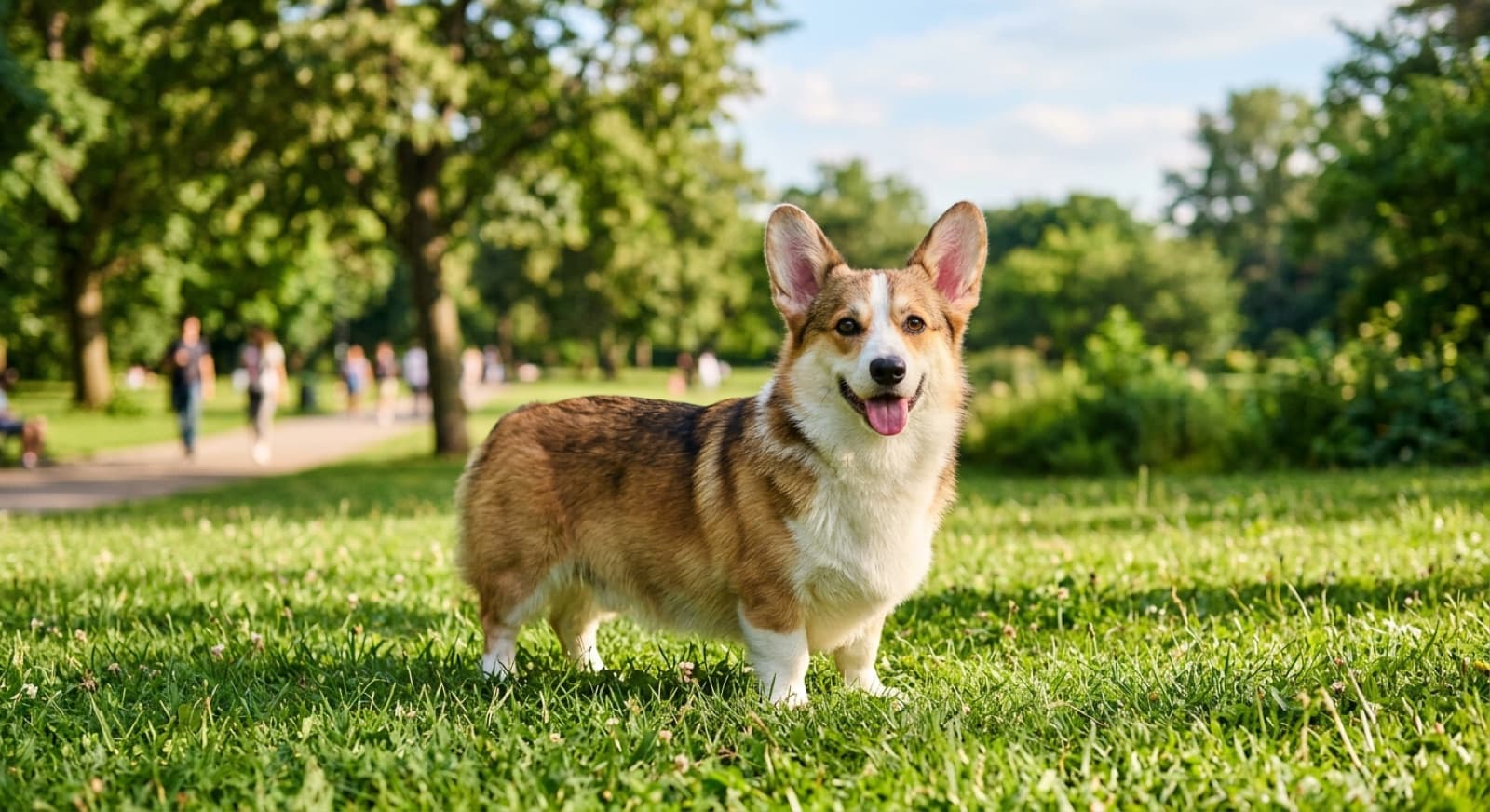
People buy the trend, then meet the herding dog. Corgis became one of the most recognisable breeds on the planet: royal, internet-famous, and undeniably cute with the short legs and big ears. Many were bought on the looks alone. What surprises new owners is the working dog underneath. Both the Pembroke Welsh Corgi (the more common, usually tailless type) and the Cardigan Welsh Corgi (which keeps its tail) were bred to drove cattle, and that job needs a smart, driven, energetic dog. People expecting a small lap dog often get more animal than they bargained for.
The herding instinct nips. Corgis moved livestock by barking and nipping at the heels of animals many times their size, and that instinct does not switch off in a suburban home. A Corgi may chase and nip at fast movement, which means running children, cyclists, other pets and ankles. It is trainable and it is not aggression, but it catches out families who did not know it was coming, and it is a common reason a Corgi ends up surrendered.
The bark and the shedding. Corgis are vocal by design and alert at everything, which body-corporate neighbours notice fast. They also shed heavily, dropping a lot of coat year-round with bigger seasonal blows. Neither is hard to live with if you expect it, but both surprise owners who pictured a quiet, low-maintenance small dog, and the noise in particular drives unit-living surrenders.
Weight and backs. A Corgi has a long spine on short legs and a big appetite, which is a difficult combination. An overweight Corgi loads that back and its joints, and disc and spine problems are the breed's most serious and most preventable issue. Some Corgis come into rescue after a back injury or weight problem the owner could not manage. We cover it in depth in the Corgi health guide for Brisbane.
What this means for you. A Corgi in rescue is rarely a broken dog. It is usually a good herding dog whose energy, voice or health needs outran its last home. If you want a clever, loyal companion and you can exercise it, train the nipping, manage the noise and keep it lean, you are looking at a wonderful adoption. If you wanted a quiet small dog that mostly sleeps on the couch, being honest now saves a dog from being the next surrender.
Where to adopt a Corgi or Corgi cross in Brisbane
Because Corgis are uncommon in general rescue, a wide alert net is the right approach. Set listing alerts on every rescue you would consider, and add herding-breed and small-dog foster networks.
- RSPCA Queensland. The state body runs its main Animal Care Campus at Wacol plus other centres across South East Queensland. Corgis and Corgi crosses come through occasionally via owner surrender, and every adoption includes desexing, vaccination, microchipping, a vet workup and a behavioural assessment, so a surrendered dog often arrives with a known history worth knowing for a breed with back and weight issues. Browse at rspcaqld.org.au.
- Animal Welfare League Queensland (AWLQ). A long-running South East Queensland no-kill charity with re-homing centres at Willawong (South Brisbane), Warra (North Brisbane), Beenleigh and Coombabah on the Gold Coast. Corgis are uncommon on the roster but do appear, more often as crosses. Listings at awlq.org.au.
- Foster-based rescues. Brisbane volunteer and foster-network rescues, including herding-breed and small-dog groups, see Corgi crosses more often than the big shelters. Because the dog lives in a foster home, the notes on its energy, herding-nipping, health and behaviour with people and other animals tend to be detailed and honest, which is exactly what you need to match a working dog to the right household.
- PetRescue. A national aggregator that lists Corgis and Corgi crosses from many smaller Queensland rescues in one searchable place, each with the originating rescue's contact details, at petrescue.com.au. The single most efficient browse for every available Corgi.
Some adopters search for a dedicated Queensland or national Corgi rescue, but we cannot verify a currently active organisation by that name, so use the general rescues above, set alerts, and be wary of any group that asks for money before you have confirmed a real address, a current adoptable-dog list and charitable status.
The honest cost comparison
Real first-year costs in Brisbane:
| First-year cost | Rescue Corgi | Breeder Corgi |
|---|---|---|
| Adoption fee or purchase price | $400 to $700 | $3,000 to $6,000+ |
| Desexing | Included | $300 to $600 |
| Microchipping | Included | $60 to $80 |
| First-year vaccinations | Included | $200 to $400 |
| Initial vet check | Included | $100 to $200 |
| Council registration (reduced fee if desexed and microchipped) | Set by your council | Set by your council |
| Year 1 food | $700 to $1,200 | $700 to $1,200 |
| Parasite prevention (paralysis tick, flea, worm, heartworm) | $350 to $600 | $350 to $600 |
| Grooming or grooming gear (heavy shedder) | $150 to $500 | $150 to $500 |
| Initial gear (bed, lead, bowls, harness, ramp) | $300 to $500 | $300 to $500 |
| Reward-based training class | $200 to $400 | $200 to $400 |
| Pet insurance (recommended) | $600 to $1,100 | $600 to $1,100 |
| Year 1 total (excluding council fee) | $3,300 to $6,200 | $5,760 to $11,580+ |
Adopting is many times cheaper up front, and the dog arrives already vetted. Where a Corgi gets genuinely expensive is the ongoing care: the long back means real risk of disc problems, and the big appetite means the dog must be kept lean to protect that spine. The single biggest cost lever over a Corgi's life is weight, because a lean Corgi avoids most of the spine and joint bills that make the breed expensive.
Browse adoptable Corgis in Brisbane
Corgis are uncommon in rescue, so crosses and older dogs appear more often than purebred puppies. Browse live Queensland listings and set an alert so you hear the moment one comes in.
See Available Corgis →Corgis are not a restricted breed in Queensland
It is worth stating plainly. The Corgi, both the Pembroke and the Cardigan, is not a restricted or regulated dog in Queensland. Under the Animal Management (Cats and Dogs) Act 2008 and the state's regulated-dog rules, the restricted-breed provisions target specific breeds such as the American Pit Bull Terrier, and the Corgi is not among them. A Corgi is legal to own and rehome normally, and simply needs to be microchipped before 12 weeks of age or before it changes hands, and registered with your local council from 12 weeks, for example through Brisbane City Council.
The things to sort out are housing and access rather than law. Corgis do best in homes where they are not forced up and down stairs all day, because the long spine and short legs make repeated jumping and steps a back risk, so ramps for cars and couches help. They also bark, which body-corporate neighbours notice. If you rent or live under a body corporate, confirm dogs are allowed and think honestly about whether your building suits a vocal dog. A rescue will want to see that you have thought it through.
If you have been searching “Corgi for sale Brisbane”
Plenty of people arrive here after searching for a Corgi to buy, and that makes sense: the for-sale listings vastly outnumber the rescue ones, so buying feels like the only route. Reputable breeders do exist, and there is nothing wrong with orienting yourself by them. But before you spend anything, know that the online market for popular purebred puppies is one of the more scam-prone corners of the pet world in Australia, and Corgis, as a trending high-demand breed, are a favourite target. In Queensland the practical safeguard is the paperwork: a legitimate seller advertising a dog born on or after 26 May 2017 must display a Queensland Dog Breeder Register supply number and the dog's microchip number, and every dog must be microchipped before it changes hands. A cheap puppy or a deposit request for a dog you have not met in person is a warning sign the ACCC Scamwatch documents regularly.
A seller who will not show you both healthy parents at their property, or who breeds for the most exaggerated look, is a red flag rather than a mark of quality. Adoption sidesteps much of that: it costs a fraction of a breeder price, gives a vet-checked dog a home, and an adult rescue Corgi asks far less guesswork about health and temperament than a puppy. The RSPCA Australia Knowledgebase has good general guidance on choosing a dog and avoiding poorly bred puppies.
Is a Corgi right for you?
Be honest about the fit, because a Corgi is a working dog in a small body. It wants a solid daily walk plus play, and it needs mental work as much as physical, because a smart herding dog left bored will find its own jobs, usually barking and mischief. It has a strong voice, a nipping instinct that needs training, and a long back that must be protected by keeping the dog lean and limiting big jumps and stairs. Offer that and a rescue Corgi is one of the most loyal, funny and characterful companions you can own.
For the detail on the two big management jobs, lean on the cluster. Our Corgi exercise, training and herding guide covers how much a Corgi needs, how to channel the herding-nipping, and how to teach a quiet cue. The Corgi health guide covers the back, weight management and the Brisbane-specific risks like year-round paralysis tick and summer heat. If you wanted a quiet, low-energy small dog, it is kinder to choose a breed that suits you than to adopt a Corgi and surrender it later, which is exactly the cycle that fills rescue with this breed.
Adult or puppy, and how to choose
For almost every adopter an adult is the better choice, and Corgi puppies are rare in rescue anyway. An adult has a known temperament the rescue can describe, an established size and energy you can see rather than gamble on, often some training in place, and a lower adoption fee. With a breed this prone to back and weight problems, an adult also lets the rescue tell you about any spinal history, which a puppy cannot. Corgi puppies are smart, mouthy and high-energy, the herding-nipping shows early, and the joints need protecting while they grow, so no jumping on and off furniture.
When you choose, read the foster carer's notes closely. They will tell you how a specific dog does with children, cats, other dogs and being left alone, and that record predicts the fit far better than the breed average. Ask about the barking, the nipping and any known back or weight issues. Older, settled Corgis are the ones that wait longest and often make the easiest, most affectionate match for a first-time adopter who wants the breed without the puppy chaos.
Frequently Asked Questions
Where can I adopt a Corgi in Brisbane?
Start with the main Queensland rescues: RSPCA Queensland (Animal Care Campus at Wacol plus other SEQ centres) and Animal Welfare League Queensland (re-homing centres at Willawong, Warra, Beenleigh and Coombabah), plus Brisbane foster-based rescues and the national aggregator PetRescue. Be realistic about supply: purebred Corgis are uncommon in rescue, so Corgi crosses (often with Kelpie, Staffy or another small breed) show up far more often than full Pembrokes or Cardigans. Set listing alerts across every rescue you would consider, have your application and vet references ready, and stay open to a cross or an older dog. If you find a group calling itself a Corgi rescue, verify it has a real address, a current adoptable-dog list and charitable status before you send any money.
Why do Corgis end up in rescue?
Almost always because someone bought the trend and got a harder dog than they expected, not because of a fault in the Corgi. Corgis boomed as an internet-famous, royal, cute-looking breed, and many were bought on the looks alone. Underneath is a real herding dog: high energy, very smart, vocal, and wired to chase and nip at anything that moves fast, including children and ankles. When the barking, the shedding, the exercise need or the herding-nipping surprise the owner, the dog gets surrendered. Health and cost play a part too: the long back makes Corgis prone to disc and spine problems, and their big appetite makes them prone to obesity, so some arrive after a back injury or weight problem. The temperament is usually intact. Most rescue Corgis just need an owner who understands they adopted a working dog in a small body.
How much does it cost to adopt a Corgi in Brisbane versus buy one?
Adoption is far cheaper up front. A rescue fee for an adult Corgi through a Queensland rescue commonly runs about $400 to $700, and that fee already includes desexing, vaccination, microchipping, parasite treatment and a vet check. A purebred Corgi puppy from a breeder runs into the thousands, often $3,000 to $6,000 or more because the breed is trend-driven and in high demand, with none of that vet work done yet. So adopting is many times cheaper at the outset and the dog arrives already vetted. Where a Corgi gets expensive is the ongoing care: the long back means budgeting for the risk of disc problems, the big appetite means keeping the dog lean to protect that spine, and Brisbane means year-round paralysis tick and parasite prevention plus pet insurance taken out while the dog is young.
Are Corgis a restricted breed in Queensland?
No. The Corgi, both the Pembroke and the Cardigan, is not a restricted or regulated dog in Queensland. Under the state's animal-management laws, the restricted-breed rules target specific breeds such as the American Pit Bull Terrier and a handful of others, and the Corgi is not among them. A Corgi is legal to own and rehome normally, and simply needs to be microchipped before 12 weeks of age or before it changes hands, and registered with your local council from 12 weeks. The things to sort out are practical rather than legal: the barking that strata neighbours notice, and a home where the dog is not forced up and down stairs all day, because the long spine makes repeated jumping and steps a back risk.
Are Corgis good apartment dogs in Brisbane?
They can be, with the right owner, but do not let the short legs fool you. A Corgi is a herding dog with real energy and a real voice, so a unit only works if you commit to the daily exercise and mental work it needs, and if you manage the barking. On the plus side they are small, adaptable and bond closely with their people, so a well-exercised Corgi settles happily indoors and does not need a huge yard. The catches for unit living are the bark, which carries and which body-corporate neighbours notice, and the shedding, because Corgis drop a lot of coat. If you can walk and mentally tire the dog daily and you are honest about the noise, a Corgi suits unit life; if you are out for long stretches and cannot meet the exercise, a bored Corgi becomes a loud, destructive one.
Do Corgis cope with the Brisbane heat?
With management, reasonably, but the double coat and the low-slung body both matter. Corgis have a dense double coat built for Welsh farm work, so they feel the SEQ summer and must be exercised in the cool of the morning or evening, never the midday heat, always with water. Never shave the double coat as a heat measure, because it insulates against heat as well as cold and protects the skin; brushing out the dead undercoat is what helps. The short legs also sit the dog close to hot pavement, so use the back-of-the-hand test before a walk. Provide shade and a cool indoor space, and watch for heat stress on hot, humid days.
How can I tell if a Corgi advertised online is a scam?
Corgis are a trending, high-demand breed, which makes them a favourite target for fake listings and backyard breeders. In Queensland, any dog born on or after 26 May 2017 that is sold, given away or advertised must display a breeder supply number from the Queensland Dog Breeder Register, and every dog must be microchipped before it changes hands, so a listing with no supply number and no microchip number is a red flag. A cheap puppy, a request for a deposit on a dog you have not met in person, or a seller who will not show you both healthy parents are warning signs the ACCC Scamwatch documents regularly. Adopting through a verified Queensland rescue sidesteps the risk entirely.
Keep reading
Adoptable Corgis in Brisbane
Live listings of Corgis and Corgi crosses across Queensland rescues.
Corgi Exercise, Training & Herding
How much exercise a Corgi needs, channelling the herding-nipping, and teaching a quiet cue.
Corgi Health Issues
The long back and disc risk, obesity, hips and eyes, plus the SEQ heat and tick picture.
Brisbane Adoption Resources
Guides on adopting, costs, council rules and settling a rescue dog in Brisbane.