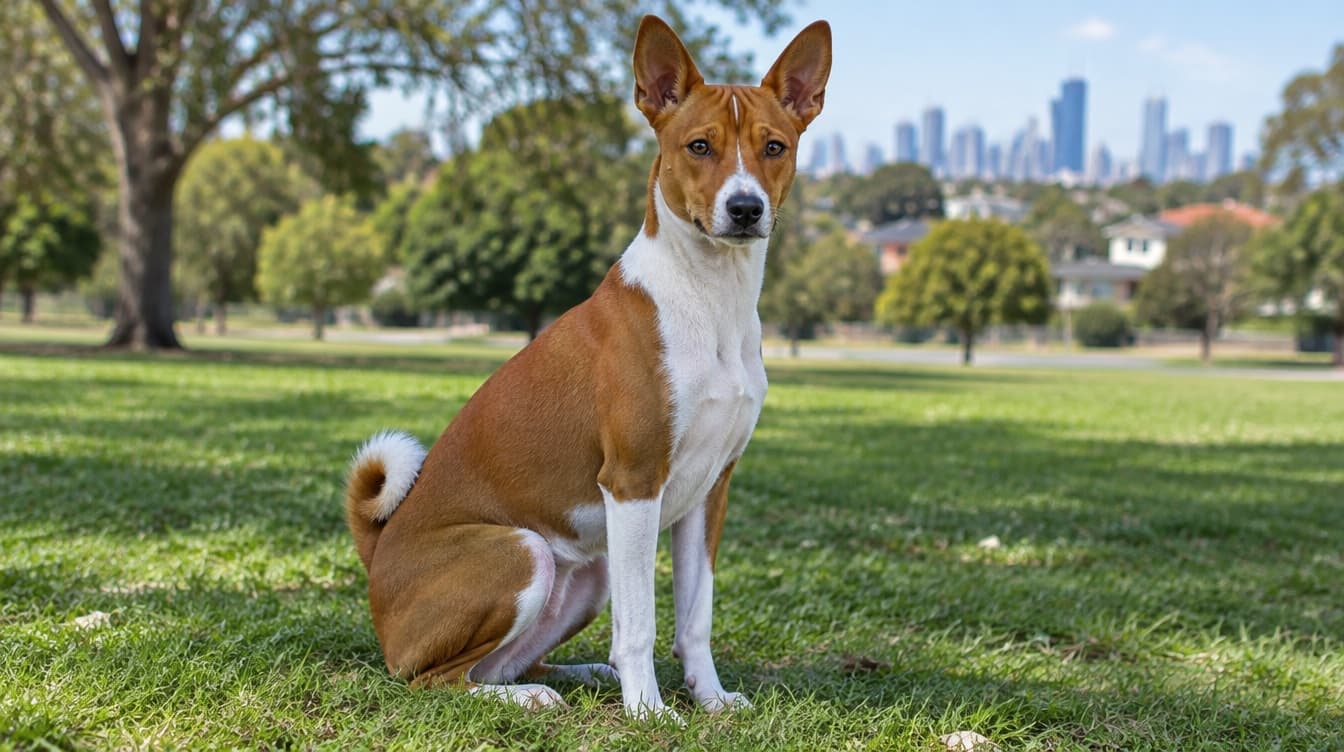
The short answer
You can adopt a Basenji in Brisbane, but be patient and be honest with yourself. This is an independent, high-drive hound, not a biddable companion. Purebreds are uncommon in rescue, so set alerts across RSPCA Queensland, AWLQ and PetRescue, be application-ready, and stay open to a Basenji cross or an older dog. Adoption runs about $400 to $450 for an adult, all-inclusive, against several thousand dollars from a breeder, and the breed is not restricted in Queensland. The honest part is the temperament: a Basenji needs secure, high fencing, treats open ground as an on-lead dog, has a strong prey drive around small animals, and will not be nagged into obedience, so it rewards a calm, experienced home. Get that right and you have a clean, quiet, fascinating companion.
Why Basenjis end up in Brisbane rescue
The honest first lesson with a Basenji is why they land in rescue, because understanding that tells you whether the breed is right for you.
People expect an easy dog and meet an independent hound. The barkless reputation and the neat, cat-like cleanliness make the Basenji sound low-maintenance. Underneath is a clever, aloof, self-reliant hound that does its own thing, ignores a recall it does not feel like obeying, and treats training as a negotiation. Owners who pictured an eager-to-please pet are often surprised by how much the breed does on its own terms.
Prey drive and escaping. This is the core of it. A Basenji has a strong, hard-wired prey drive and a genuine talent for getting out, over or through fencing. A dog that bolts after a cat or slips the yard is stressful and, in a busy Brisbane suburb, dangerous. When the containment and the chasing become too much, the dog is surrendered.
Housing and life changes. Many Basenjis reach rescue through no fault of their own after a move, a rental that will not take a known escape artist, or a change in circumstances. Crosses appear too and carry similar needs in a slightly different package.
What this means for you. A Basenji in rescue is rarely a broken dog. It is usually a sound hound whose independence, prey drive or escaping outran its last home. If you can offer secure fencing, treat it as an on-lead dog in the open, give it exercise and mental work, and enjoy a dog with a mind of its own, you are looking at a wonderful adoption. If you wanted a biddable dog that comes every time it is called, being honest now saves a dog from being the next surrender.
Where to adopt a Basenji or Basenji cross in Brisbane
Because Basenjis are uncommon in general rescue, a wide alert net is the right approach. Set listing alerts on every rescue you would consider. For a fuller directory, see our Brisbane adoption resources hub.
1. RSPCA Queensland
The state body runs its main Animal Care Campus at Wacol plus other centres across South East Queensland. Basenjis and Basenji crosses come through occasionally via owner surrender, and every adoption includes desexing, vaccination, microchipping, a vet workup and a behavioural assessment that gives you an honest read on how the dog is with people and other animals before you commit. Browse at rspcaqld.org.au.
2. Animal Welfare League Queensland (AWLQ)
A long-running South East Queensland no-kill charity with re-homing centres around Brisbane and the Gold Coast. Basenjis are uncommon on the roster but crosses do appear. Adoption includes desexing, vaccination, microchipping and a vet check, with staff who can talk through the real demands of an independent hound. Current listings on awlq.org.au.
3. PetRescue and foster-based rescues
PetRescue is a national aggregator that lists Basenjis and Basenji crosses from many smaller Queensland rescues in one searchable place, at petrescue.com.au. Because the dogs live in foster homes, the notes on a Basenji's energy, recall, prey drive and behaviour with people and other animals tend to be detailed and honest, which is exactly what you need to match an independent hound to the right household.
Some adopters search for a dedicated Basenji rescue in Queensland, but we cannot verify a currently active organisation by that name, so use the general rescues above, set alerts, and be wary of any group that asks for money before you have confirmed a real address, a current adoptable-dog list and charitable status. Browse the current Basenjis and Basenji crosses on the Brisbane Basenji listings.
What a Basenji costs: adopt versus buy
Adoption is far cheaper at the outset. A rescue fee for an adult Basenji or Basenji cross through a Brisbane rescue commonly runs about $400 to $450, and the rare puppy around $650, and that fee already covers desexing, vaccination, microchipping, worm and flea treatment and a vet check.
A Basenji from a breeder in Queensland, by contrast, often runs to several thousand dollars, with none of that vet work done yet, because the breed is uncommon and litters are small and infrequent. So adopting is many times cheaper up front, the dog arrives already vetted, and if you adopt an assessed adult you can see the temperament rather than gamble on a puppy.
The ongoing costs are modest for a small, short-coated dog, but plan for secure fencing (the one genuine Basenji expense worth getting right first), year-round paralysis tick and parasite prevention (a vet-recommended monthly product, essential everywhere in South East Queensland), and pet insurance you take out while the dog is young. Council registration under the Animal Management (Cats and Dogs) Act 2008 is a modest annual fee, substantially reduced for a desexed and microchipped dog, and payable to your council such as Brisbane City Council.
Basenjis and Queensland law
The Basenji is not a restricted breed in Queensland. It is legal to own and to rehome normally, and under the Animal Management (Cats and Dogs) Act 2008 it simply needs to be microchipped before 12 weeks of age or before it changes hands, and registered with your local council from 12 weeks, with a substantially reduced fee for a desexed and microchipped dog. The practical issue with this breed is containment rather than law: a determined escape artist needs secure, high fencing and a household that treats it as an on-lead dog in open areas. Check the current rules and fees on your council page, for example Brisbane City Council, before you rely on a figure.
Browse adoptable Basenjis in Brisbane
Basenjis are uncommon in rescue, so crosses and older dogs appear more often than purebred puppies. Browse live Queensland listings and set an alert so you hear the moment one comes in.
See Available Basenjis →If you have been searching “Basenji for sale Brisbane”
Plenty of people arrive here after searching for a Basenji to buy, and that makes sense: the for-sale listings outnumber the rescue ones, so buying feels like the only route. Reputable breeders exist, but before you spend anything, know that the online market for uncommon purebred puppies is one of the more scam-prone corners of the pet world in Australia, and a legitimate rescue fee lands under the $500 people often search for while giving you a vet-checked dog. A cheap puppy or a deposit request for a dog you have not met in person is a warning sign rather than a bargain, and the ACCC Scamwatch has documented deposit scams for puppies that do not exist.
A seller who will not show you both healthy parents at their property is a red flag rather than a mark of quality. Adoption sidesteps much of that: it costs a fraction of a breeder price, gives a vet-checked dog a home, and an assessed adult Basenji asks far less guesswork about temperament than a puppy. Set alerts, stay open to a cross or a senior, and be patient. The RSPCA Australia Knowledgebase has good general guidance on choosing a dog and avoiding poorly bred puppies.
Is a Basenji right for you?
Be honest about the fit. A Basenji is an independent, clever, high-drive hound, not an eager-to-please companion. It needs secure, high fencing, a household that treats it as an on-lead dog in the open, daily exercise and mental work, and an owner who enjoys a dog with its own mind rather than one who wants instant obedience. The strong prey drive makes a small-pet home a poor match unless the individual dog has been raised with them. It is clean, quiet in the bark sense, and fascinating company for the right person, and it copes with the Brisbane climate better than most thanks to its short coat, provided you respect summer heat and keep up year-round tick prevention. If you wanted a dog you could let off-lead at the park and trust to come back, a different breed will suit you both better.
Adult or puppy, and how to choose
For almost every adopter an assessed adult is the more responsible choice, and Basenji puppies are rare in rescue anyway. An adult has a known temperament the rescue can describe, an established energy level, often some training in place, and a lower adoption fee. The rescue has evaluated it, so they can tell you how the dog is with people, other dogs, cats and being left alone, and you take on the actual dog rather than a set of hopes.
When you choose, read the foster carer's notes closely. They will tell you how a specific dog does with children, cats, other dogs and being left alone, how reliable its recall is, and how determined an escape artist it is, and that record predicts the fit far better than the breed average. Ask about fencing the carer has needed, and be ready to match it at home.
Frequently Asked Questions
Where can I adopt a Basenji near me in Brisbane?
Start with the main Queensland rescues: RSPCA Queensland, whose Animal Care Campus is at Wacol with centres across South East Queensland, and Animal Welfare League Queensland (AWLQ), the long-running no-kill charity with centres around Brisbane and the Gold Coast. Be realistic about supply, because purebred Basenjis are genuinely uncommon in rescue, so Basenji crosses show up more often than full purebreds. The best approach is to set listing alerts across every rescue you would consider, have your application and references ready, and stay open to a cross or an older dog. PetRescue lists dogs from many smaller Queensland rescues in one place. Never send money before you have confirmed a real, registered rescue.
Why do Basenjis end up in rescue?
Almost always because the independent, high-drive temperament caught the owner off guard. The Basenji is a clever, aloof, cat-like African hound with a powerful prey drive and a real talent for escaping, and people who expected a biddable companion find a dog that ignores recall, slips fences and hunts anything small that moves. It does not bark in the usual way, which some take as quiet and easy, but it yodels, is famously stubborn, and will not be nagged into obedience. When the prey drive, the escaping and the independence prove too much, or a rental or life change makes a determined escape artist hard to keep, the dog is surrendered. The temperament is usually intact. Most just needed an owner who understood they took on an ancient, self-reliant hound rather than an eager-to-please pet.
How much does it cost to adopt a Basenji versus buy one?
Adoption is far cheaper up front. A rescue fee for an adult Basenji or Basenji cross through a Brisbane rescue commonly runs about $400 to $450, and the rare puppy around $650, and that fee already covers desexing, vaccination, microchipping, worm and flea treatment and a vet check. A Basenji from a breeder in Queensland, by contrast, often runs to several thousand dollars, with none of that vet work done yet, because the breed is uncommon and litters are small. So adopting is many times cheaper at the outset and the dog arrives already vetted. The ongoing costs are modest for a small, short-coated dog, but budget for secure fencing, year-round paralysis tick and parasite prevention, and pet insurance taken out while the dog is young.
Are Basenjis restricted in Queensland?
No. The Basenji is not a restricted breed in Queensland. It is legal to own and to rehome normally, and like any dog it simply needs to be microchipped before 12 weeks of age or before it changes hands, and registered with your local council from 12 weeks. Under the Animal Management (Cats and Dogs) Act 2008, a desexed and microchipped dog usually pays a substantially reduced registration fee. The practical issue with a Basenji is not law but containment: a determined escape artist needs secure, high fencing and a household that treats it as an on-lead dog in open areas. Check the current registration rules and fees on your council page before you rely on a figure, because they change.
Do Basenjis really not bark, and are they quiet?
They do not bark in the usual way, because of the shape of the larynx, but quiet is the wrong word. A Basenji yodels, chortles and makes a distinctive range of sounds, and it is far from silent. More to the point, the lack of a standard bark does not make it low-maintenance: this is an active, clever, independent hound that needs real exercise and mental work, and a bored one is inventive and destructive. Treat the barkless reputation as a curiosity, not a reason to expect an easy, undemanding dog.
Are Basenjis good with children and other pets?
With the right upbringing a Basenji can live well with sensible older children, but the strong prey drive makes small pets a real concern: cats, rabbits, guinea pigs and birds can trigger a hard-wired chase, and a Basenji raised without them is a poor bet in a small-pet home. With other dogs it is often selective. It is also an aloof, dignified breed that tolerates rough handling poorly, so it suits a calm household better than a boisterous one. The foster carer's notes on a specific dog with children, cats and other dogs predict the fit far better than the breed average, so ask before you commit.
Does a Basenji cope with the Brisbane climate?
Reasonably well, because the Basenji is a short-coated African breed that handles warmth better than most, and it is famously clean and odourless with cat-like self-grooming. Even so, treat Queensland summers with respect: shade, constant fresh water, walks in the cool of the day, and never a dog left in a hot car or on hot pavement. The year-round concern everywhere in South East Queensland is paralysis tick, so keep the dog on a vet-recommended tick and parasite prevention product every month without fail and check the coat after any time in bushy areas.
Is it safe to buy a Basenji online?
Be careful. The Basenji is uncommon and in demand, which makes it a target for fake listings and deposit scams, and the online market for purebred puppies in Australia is one of the more scam-prone corners of the pet world. A cheap puppy, a request for a deposit on a dog you have not met in person, or a seller who will not show you both healthy parents is a warning sign rather than a bargain, and the ACCC Scamwatch has documented deposit scams for puppies that do not exist. If you do buy, insist on seeing the puppy with its mother at the breeder's property, and never pay before you have met the dog. Adoption sidesteps most of that risk: it costs a fraction of a breeder price, the dog is already vet-checked, and an assessed adult Basenji asks far less guesswork about temperament.
Keep reading
Adoptable Basenjis in Brisbane
Live listings of Basenjis and Basenji crosses across Brisbane and Queensland rescues.
Best Dog Rescues in Brisbane
The verified shelters and foster rescues to set alerts with across South East Queensland.
Registering a Dog in Brisbane
Council registration, microchipping and the Queensland rules for a new dog.
All Brisbane Adoption Guides
Browse every breed and how-to guide for adopting a rescue dog in Brisbane.