The short answer
Adopting a domestic shorthair on the Gold Coast is easy, because the moggy is the most common cat in rescue, so you can take your time matching temperament and age to your home. Watch Animal Welfare League Queensland at Coombabah, RSPCA Queensland, Best Friends Felines and PetRescue. Adoption runs about $150 to $180 for an adult, all inclusive of desexing, vaccination, microchipping and a FIV check, which is far cheaper than a free kitten once you add the vet work. Keep your cat indoors or contained: subtropical Queensland brings year-round paralysis ticks, cane toads and snakes, and roaming cats harm native wildlife.
What a domestic shorthair actually is
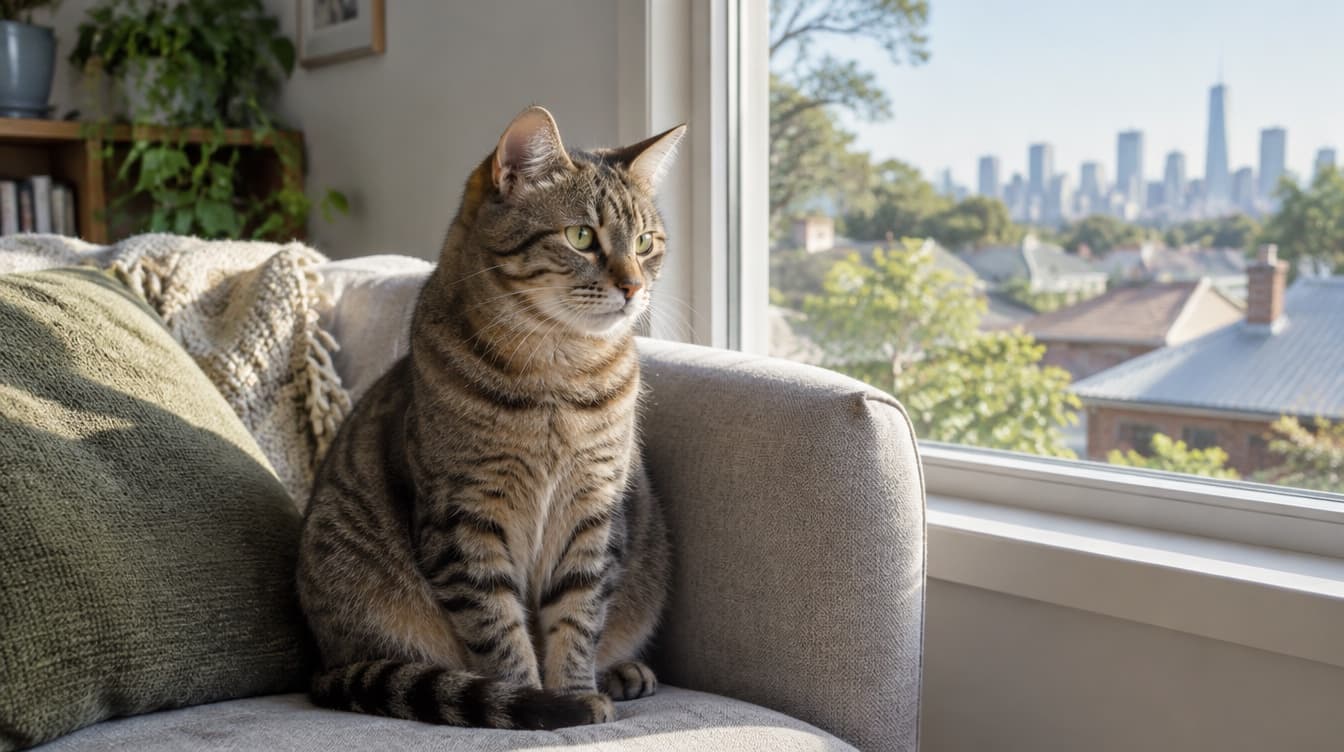
A domestic shorthair is the ordinary mixed-breed cat, the moggy, and it makes up the great majority of pet cats in Australia. It is not a pedigree breed, which is the whole point: a broad gene pool rather than a narrow one. That gives you endless variety in colour, pattern and personality, from the bold and playful to the quiet and affectionate, and it tends to produce a hardy, healthy cat with a long life.
When a Gold Coast rescue lists a cat as a domestic shorthair, it is describing a healthy, ordinary, wonderful cat without the breed price tag. Because there are so many of them, you are choosing a companion rather than hunting a rare animal, so you can prioritise the things that actually matter for a happy home: temperament, age, energy level and how the cat is with children or other pets. For the profile and the cats listed right now, see the domestic shorthair listings.
Why the moggy is the smartest adoption choice
Gold Coast rescues take in a steady stream of domestic cats and kittens, especially through the warmer months when unplanned litters arrive, so moggies are the cats most in need of homes and the ones that wait longest. Adopting one directly frees a space for the next cat and often saves a life. You also sidestep the inherited health problems that come with narrow pedigree lines, and you pay a modest fee rather than a breeder price.
None of that means settling. Because the choice is so wide, you can find exactly the cat that suits you, whether that is a lap cat for a quiet unit or a playful youngster for a busy family. The variety is the advantage.
Where to adopt a domestic shorthair on the Gold Coast
Any of the main South East Queensland cat rescues will have domestic shorthairs available, usually plenty of them:
Animal Welfare League Queensland (AWLQ)
A long-running no-kill charity whose flagship Gold Coast Rehoming and Education Centre at Coombabah is the main shelter on the Gold Coast, backed by a foster network that means honest temperament notes. Every adoption includes desexing, vaccination, microchipping and a vet check. Listings at awlq.org.au.
RSPCA Queensland
The state body rehomes cats across Queensland through its statewide network, with its main Animal Care Campus at Wacol in Brisbane. Gold Coast adoptions are handled through that network, and every adoption covers desexing, vaccination, microchipping and a vet check. Listings at rspcaqld.org.au.
Best Friends Felines
A foster-based South East Queensland cat rescue that raises its cats and kittens in real homes before rehoming, so you get detailed notes on how a cat is with children, other pets and handling. More at bestfriendsfelines.com.
PetRescue
A national aggregator that lists cats from many smaller Queensland rescues in one searchable place, which makes it easy to compare a lot of domestic shorthairs at once. Browse at petrescue.com.au.
For the full set of cat adoption guides, browse all our Gold Coast cat adoption resources.
What it costs: adopt versus a free kitten
- Adult cat: about $150 to $180, all inclusive of desexing, vaccination, microchipping and a FIV check.
- Kitten: usually more than an adult, covering the same vet work plus the early vaccination course.
A free kitten from an advertisement or a neighbour is the false economy here. Desexing, vaccination and microchipping done yourself add up to far more than an adoption fee, and the kitten will not have had the vet check and FIV test a rescue provides. Adoption gives you a cat with all of that already done for a modest, all-inclusive fee. Plan for the ongoing costs too: quality food, litter, annual vet checks, dental care, and a vet-recommended cat-safe parasite product, which matters on the Gold Coast because the paralysis tick is present year-round. Pet insurance is cheapest to start while the cat is young.
If you have been searching “kittens for sale Gold Coast”
If you are searching for a kitten to buy, the domestic shorthair is the one case where adoption is almost always the better deal, because the exact cat you want is already sitting in a Gold Coast rescue, desexed and vaccinated, for a modest fee. Be wary of online sellers asking for a deposit on a kitten you have not met: the ACCC Scamwatch records pet scams where the animal does not exist. With moggies so plentiful in rescue, there is no reason to take that risk. Meet the cat, deal with an established rescue, and bring home a healthy companion.
Keeping your cat safe indoors in subtropical Queensland
Domestic shorthairs thrive as indoor or contained cats, and on the Gold Coast that is the responsible choice. Subtropical Queensland brings year-round paralysis ticks, cane toads that are toxic if a cat mouths them, snakes, and hot summer days, and free-roaming cats also harm native wildlife and risk traffic, fights and disease. An indoor cat with climbing towers, scratching posts, daily play and a shaded window perch is a happy cat, and a catio or secure yard gives safe outdoor time. If you want to focus on cats suited to indoor life, browse the indoor-appropriate cats available across Gold Coast rescues.
The Queensland basics before you bring one home
Queensland sets cat ownership rules under the Animal Management (Cats and Dogs) Act 2008, and a rescue handles most of them for you. Every cat must be microchipped by 12 weeks of age or before it is sold or given away, whichever comes first. Unlike New South Wales, the City of Gold Coast does not require cats to be registered under its Local Law No. 12 (Animal Management) 2013, so there is no annual cat registration here, though confirm the current rules with your own council. A rescue cat is already desexed and microchipped, so your job is mainly to update the microchip ownership details to you. For general veterinary guidance the RSPCA Australia Knowledgebase is reliable, and always speak to your own vet about an individual cat.
Browse adoptable cats on the Gold Coast
Domestic shorthairs are plentiful in rescue, so you can take your time finding the right match. See the cats and kittens available right now across Gold Coast and Queensland rescues.
See Available Cats →Choosing your domestic shorthair
With so many to choose from, let temperament lead. Decide whether you want a calm lap cat or a lively player, whether the cat needs to get on with children, a dog or another cat, and whether a kitten or a settled adult fits your life. Then read the foster notes over the photo, because a cat observed day to day tells you far more about fit than looks alone. An adult with a known temperament is often the easier choice for a first cat or a busy home, and adult moggies are the ones waiting longest for a family.
Frequently Asked Questions
Where can I adopt a domestic shorthair near me on the Gold Coast?
Almost anywhere that rehomes cats, because the domestic shorthair is by far the most common cat in rescue. Animal Welfare League Queensland runs its flagship Gold Coast Rehoming and Education Centre at Coombabah, the main shelter on the Gold Coast, and RSPCA Queensland rehomes cats across the state through its network. Best Friends Felines is a foster-based South East Queensland cat rescue with detailed temperament notes, and PetRescue aggregates listings from many smaller Queensland rescues in one place. Unlike a pedigree breed, you will have plenty of choice, so you can take your time matching temperament, age and energy to your home.
What is a domestic shorthair?
A domestic shorthair is not a pedigree breed at all. It is the everyday mixed-breed cat, the moggy, that makes up the great majority of pet cats in Australia. Because the gene pool is broad rather than narrow, domestic shorthairs come in every colour and pattern and every personality, from bold and playful to quiet and cuddly, and they tend to be robust and long-lived thanks to that genetic variety. When a rescue lists a cat simply as a domestic shorthair, it means a healthy, ordinary, wonderful cat without the breed premium.
How much does it cost to adopt a domestic shorthair on the Gold Coast?
Adopting a domestic shorthair through a Gold Coast rescue costs about $150 to $180 for an adult and usually more for a kitten, and that fee already covers desexing, vaccination, microchipping, a FIV check, worming and flea treatment and a vet check. A free kitten from an ad or a neighbour is not actually free: you would pay for desexing, vaccination and microchipping yourself, which adds up to far more than the adoption fee, and the cat would not have had the vet check a rescue gives. Adoption is the cheaper and safer option for the most available cat there is.
Should I get a kitten or an adult domestic shorthair?
Both are easy to find, so choose on fit rather than availability. A kitten is playful and adaptable but needs supervision, training and time, and you cannot be sure how its personality will settle. An adult shows you exactly what you are getting, its temperament, energy and how it is with children or other pets, which the foster carer or shelter can describe, and adults are often calmer and quicker to settle. For a first cat or a busy home, a known-temperament adult is frequently the easier choice, and adult moggies wait longest in rescue, so adopting one frees a space and often saves a life.
Do I need to microchip and register a domestic shorthair on the Gold Coast?
Under the Queensland Animal Management (Cats and Dogs) Act 2008, a cat must be microchipped by 12 weeks of age or before it is sold or given away, whichever comes first. Unlike New South Wales, the City of Gold Coast does not require cats to be registered under its Local Law No. 12 (Animal Management) 2013, so there is no annual cat registration on the Gold Coast, though you should confirm the current rules with your own council. A rescue cat is already desexed and microchipped when you adopt, so your main job is to update the microchip ownership details so the cat is registered to you.
Are domestic shorthairs healthy?
Generally yes. Because they are not bred from a narrow pedigree line, domestic shorthairs avoid most of the inherited conditions that affect specific breeds and tend to be hardy, with many living well into their late teens. The main things to manage are the ordinary ones for any cat: keeping weight healthy, annual vet checks, dental care, year-round parasite prevention, and an indoor or contained lifestyle. Ask the rescue what the in-care vet check found, and you start with a clear picture of the individual cat in front of you.
Keep reading
Adoptable Domestic Shorthairs
The everyday moggies and kittens currently listed across Gold Coast and Queensland rescues.
Indoor-Appropriate Cats
Cats suited to safe indoor or contained living in subtropical Queensland.
All Cat Adoption Resources
Guides on adopting, kitten care, indoor living and costs for cats on the Gold Coast.
Cat Adoption Gold Coast
Every adoptable cat and all the local rescues in one place.