


Bella
2 years 9 months • Mixed Breed
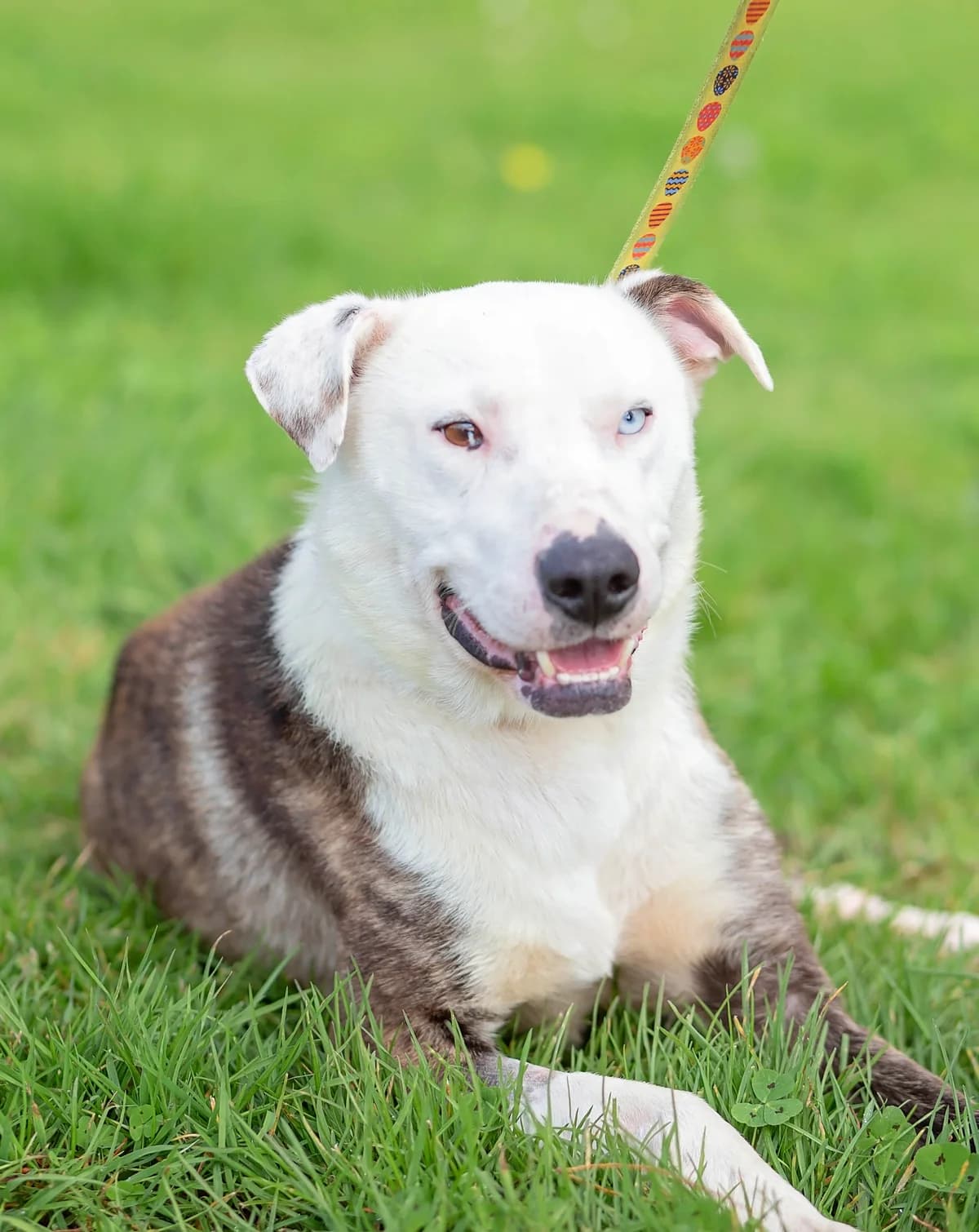
Bluey
7 years 1 month • Mixed Breed
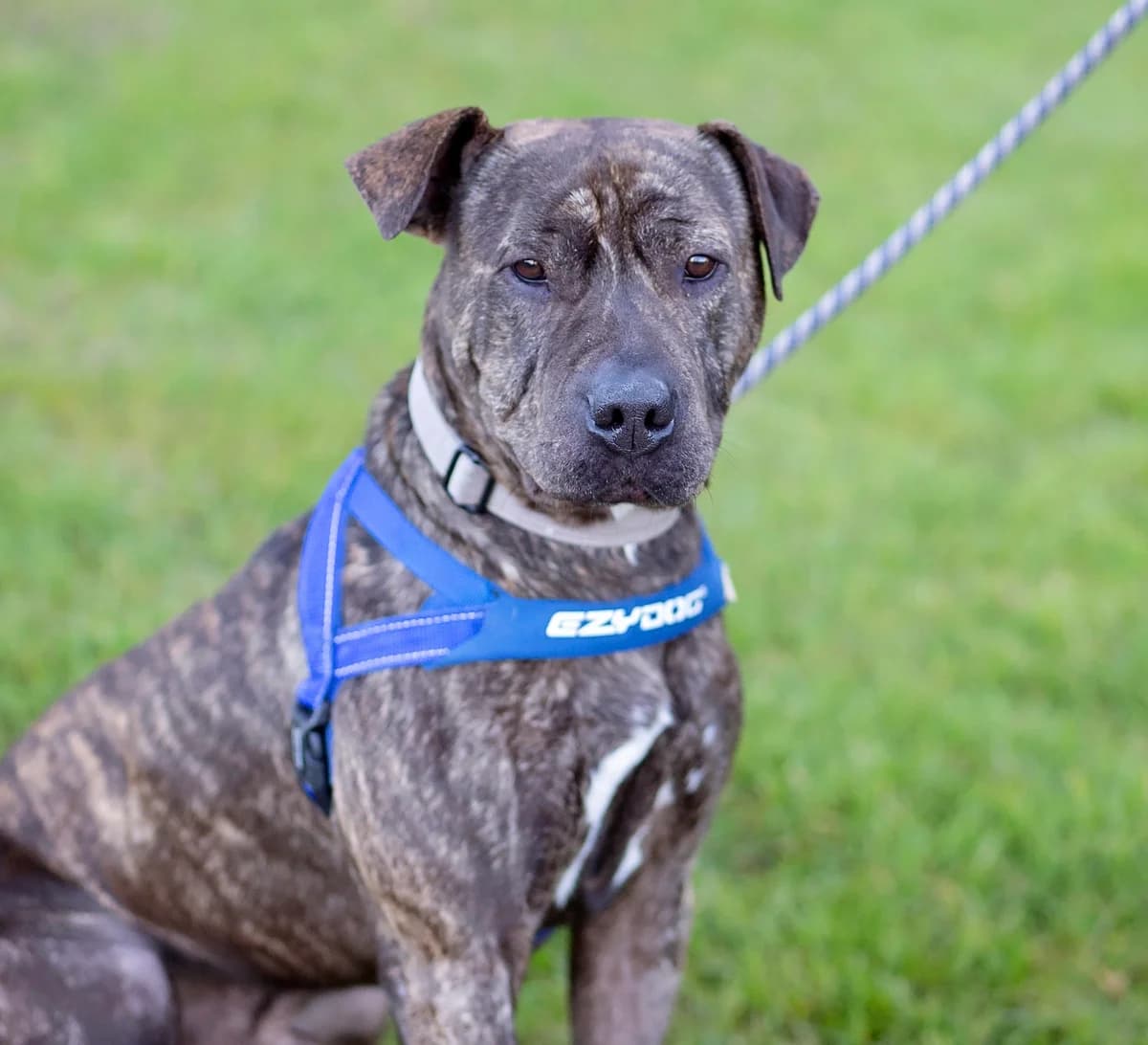


Bruce Wayne
2 months • Mixed Breed

Showing 1-9 of 65 dogs
Get notified about new dogs in New Zealand
We will email you when new rescue dogs become available across New Zealand, so you can be among the first to meet them.
Large dogs weighing 25 kilograms or more are among the most loyal, protective, and affectionate companions you can find. Breeds like German Shepherds, Labrador Retrievers, Huskies, and Great Danes are consistently popular, and many end up in rescue shelters not because of behavioural problems, but because their previous owners underestimated the space, exercise, and food costs that come with a big dog. Adopting a large breed from a New Zealand rescue gives these dogs a second chance while saving you thousands compared to buying from a breeder.
Large breeds thrive in homes with yards where they can stretch their legs, though many adapt well to larger apartments as long as they get adequate daily exercise. New Zealand is a good city for large dog owners, with off-leash parks and reserves right across the metro area. These spaces give big dogs room to run, socialise, and burn off energy, which is essential for keeping them happy and well-behaved at home.
The benefits of adopting a large dog go beyond companionship. Big dogs are natural deterrents to intruders, make excellent hiking and running partners, and many are gentle giants with children. They tend to have calm, steady temperaments once past the puppy stage. If you have the space and the commitment, a large rescue dog could be the perfect addition to your household.
Popular Large Breeds in New Zealand Rescues
Large dogs weighing around 25 kilograms or more turn up regularly in New Zealand and New Zealand rescue, and the mix is telling. German Shepherds and Shepherd crosses, Labrador and Retriever types, Staffy and bull-breed crosses, cattle-dog and Kelpie types on the larger end, Huskies, and Rottweiler crosses are all common. Many are surrendered not for behaviour problems but because their owners underestimated the space, exercise and food a big dog needs.
Huskies deserve a special mention, because they appear in rescue more than most people expect. They are strikingly good-looking and often bought on impulse, then surrendered when their high exercise needs, strong prey drive and talent for escaping fences prove too much. A Husky is a wonderful dog for the right, active home, but a demanding one, so read the rescue's honest description carefully.
Mixed-breed large dogs are just as worthy as purebreds and often healthier, benefiting from a wider gene pool. Whatever the label, the foster carer's assessment of the individual dog, how it behaves on the lead, with other dogs, and around the home, tells you far more about whether it will suit your life than a breed name ever could.
Large-Breed Health Considerations
Large and giant breeds have some health tendencies worth understanding before you adopt. Joint conditions such as hip and elbow issues are more common in big dogs, and deep-chested breeds can be prone to a serious stomach condition known as bloat. A rescue will disclose anything found in the vet check, and your own vet can advise on prevention and early warning signs once the dog is home.
Keeping a large dog lean is one of the most important things you can do for its long-term health. Excess weight puts strain on joints that are already carrying a big frame, so a sensible diet and regular exercise pay off for years. Ask your vet what a healthy weight looks like for your particular dog and how to feed for it.
None of this should deter you. Large dogs live full, active lives with routine care, and many of the conditions associated with big breeds are manageable or preventable with a good diet, appropriate exercise and regular vet checkups. Going in informed lets you budget and plan rather than be caught out.
The Real Cost of a Large Dog
A big dog costs more to run than a small one, and it is worth being honest about that before you adopt. Food is the obvious difference: a large dog eats considerably more than a toy breed, and quality food for a big dog is a genuine monthly expense. Bedding, crates, harnesses and toys all cost more in large sizes too.
Veterinary costs also scale with size, because many medications are dosed by weight, so treating a 40-kilogram dog costs more than treating a 5-kilogram one. Boarding, grooming where needed, and even some pet insurance premiums can run higher for large breeds. None of this is a reason not to adopt, but it is a reason to budget realistically.
The adoption itself remains excellent value. A rescue fee of a few hundred dollars already includes desexing, vaccination, microchipping and a vet check, against several thousand from a breeder with none of that done. Adopting a large dog saves you a great deal upfront; the ongoing costs are simply the reality of living with a big dog.
Exercise and Off-Lead Time for Big Dogs
Most large breeds need real daily exercise, commonly one to two hours, and a large dog that does not get it will often find its own outlets in digging, chewing or barking. Working breeds such as Shepherds, Kelpies and Huskies sit at the higher end and need mental work as well as physical exercise, while giant breeds like Mastiffs are often content with moderate walks and plenty of rest.
Off-lead time in a safe, legal space is invaluable for a big dog, letting it run, socialise and burn energy in a way a walk on lead cannot. New Zealand has off-lead parks and reserves across the metro area; check your council's rules for where off-lead exercise is allowed and always keep your dog under effective control and reliably responsive to a recall.
Match the dog to the exercise you can genuinely provide. If you run, hike or have an active household, a higher-energy large dog will thrive with you. If your pace is gentler, choose a calmer big dog or an older one, and be honest with the rescue about your lifestyle so they can steer you to the right match.
Large Dogs in Apartments and Units
It surprises people, but many large dogs live perfectly happily in apartments and units, provided they get enough exercise outside the home. A calm adult big dog often does better in a unit than a bouncy small breed, because once its exercise needs are met it is content to sleep for much of the day. The square footage matters far less than your commitment to daily walks and off-lead time.
Practical considerations do apply. Stairs can be hard on an older or arthritic large dog, so lift or ground-floor access helps, and you will need to manage a big dog calmly through shared corridors and lifts. A well-mannered large dog on lead is a good neighbour; an under-exercised, bored one is not.
Strata and body-corporate rules are the deciding factor. Some buildings cap the size or number of pets, and insurers may have their own views, so check your lease and by-laws in writing before you apply for a large dog. Do not assume a big dog is off-limits in a unit, but do confirm it is allowed.
Housing, Insurance and Registration for Large Dogs
Registration rules and fees are set at the state and council level in New Zealand, and keeping your details current on the microchip registry is what gets a lost dog home.
If you rent, secure landlord and strata approval before adopting a large dog, and get it in writing. Some rentals and buildings restrict dogs by size or breed, and finding a pet-friendly home that welcomes a big dog can take longer, so start that conversation early. Home and contents insurers may also ask about certain breeds.
Restricted breeds such as the American Pit Bull Terrier carry strict ownership requirements, and importing them is prohibited. A reputable rescue will not rehome a restricted breed inappropriately, but it is worth knowing the rules apply and vary by state before you fall for a powerful bull-breed type.
Frequently Asked Questions
Tap a question to expand