
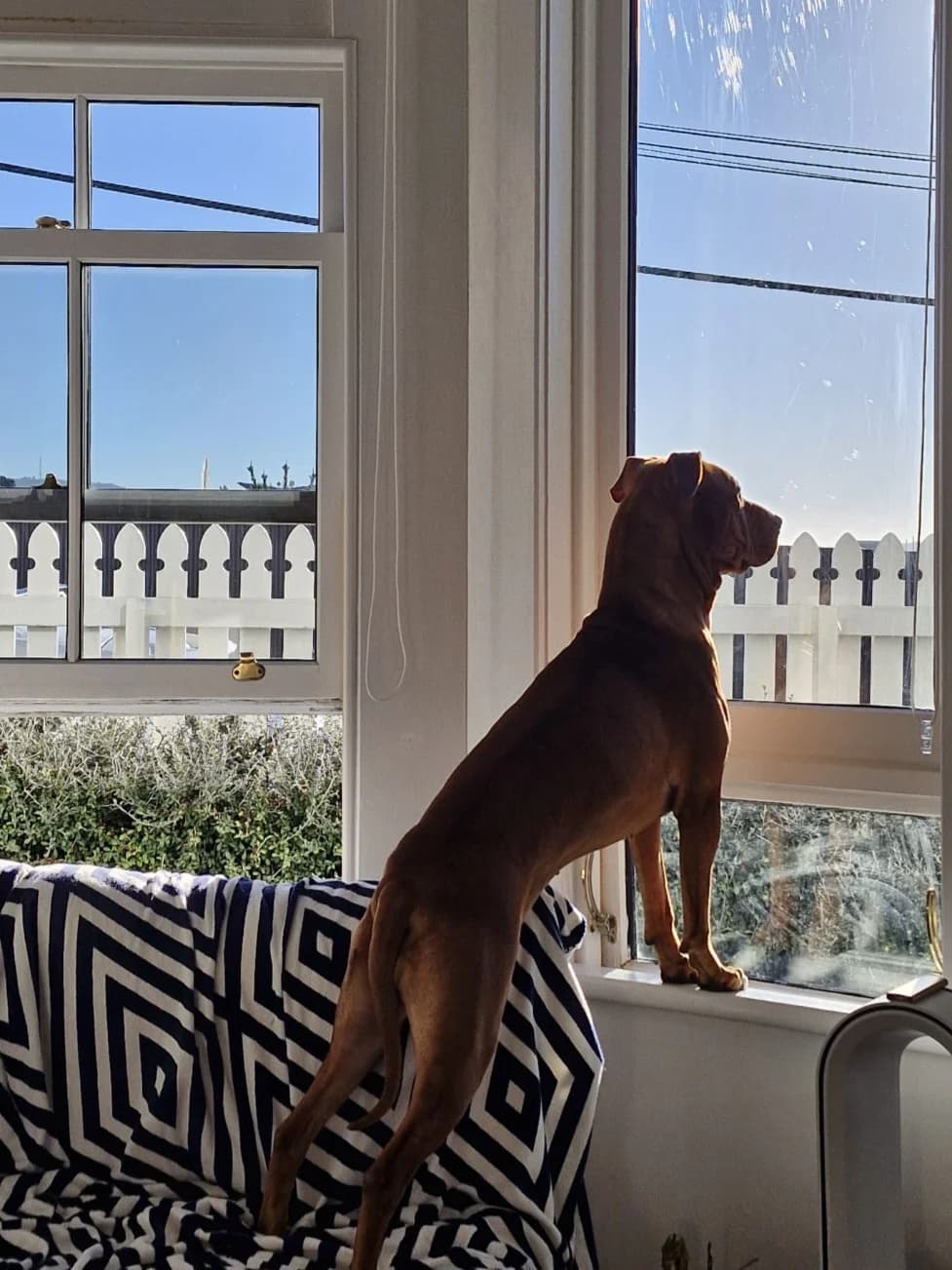
Anouk
4 months • Mixed Breed
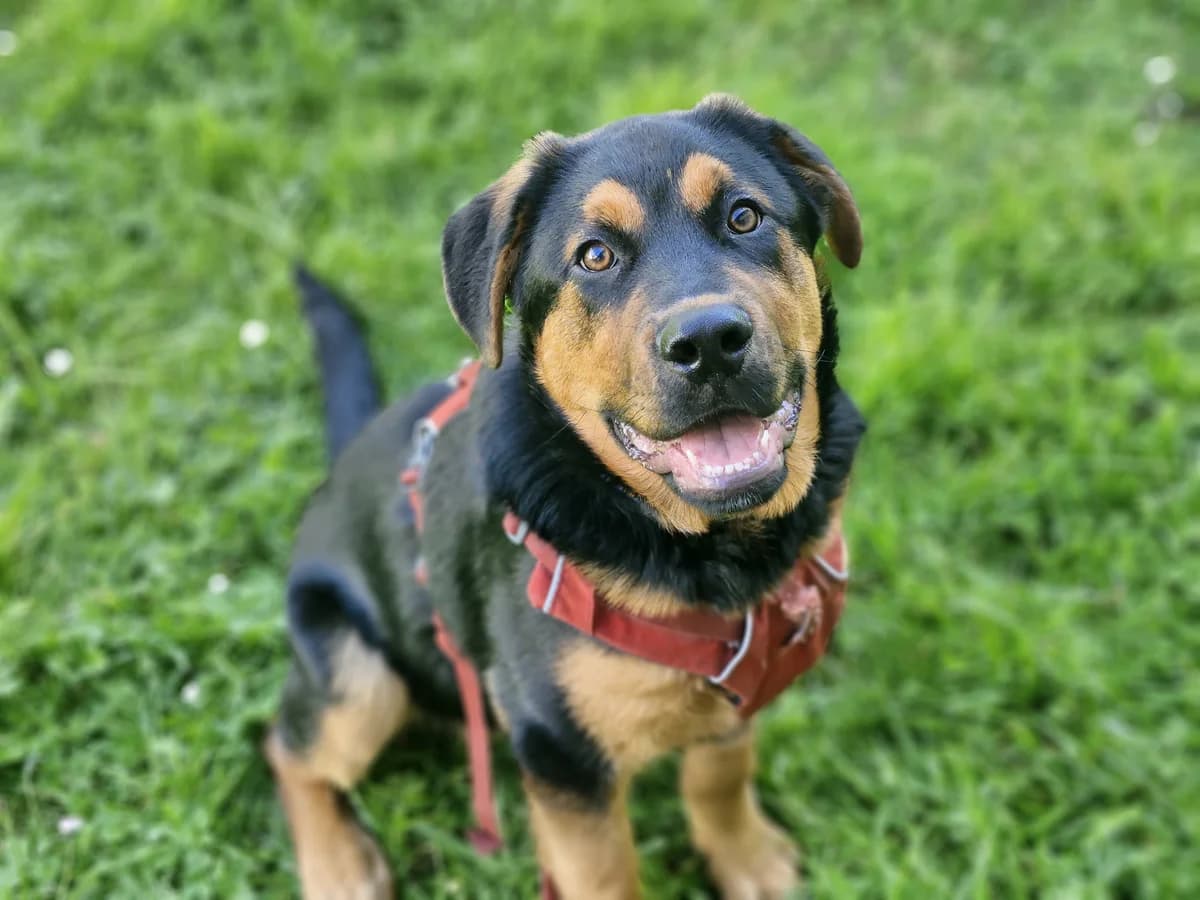
Azul
3 years 6 months • Mixed Breed
Get notified about new dogs in Wellington
We will email you when new rescue dogs become available in Wellington, so you can be among the first to meet them.
Special needs dogs are among the most overlooked animals in Wellington rescue, yet they are so often the most rewarding to bring home. The label covers a wide range of dogs: three-legged amputees, dogs who are blind or deaf, dogs living with chronic but manageable conditions like diabetes, epilepsy, arthritis or skin conditions, dogs recovering from an injury or surgery, and dogs a shelter has simply flagged as needing a bit of extra care. What they share is a tendency to wait far longer for a home than they should.
The reality is that many of these dogs adapt remarkably well. A three-legged dog usually runs, plays and lives a full, happy life, and a deaf or blind dog learns to navigate the world through their other senses and hand signals with a resilience that surprises new adopters. They are not broken dogs. They are dogs who have already shown how adaptable they are, and they tend to form deep, devoted bonds with the people who give them a chance.
Adopting a special needs dog is an honest commitment, and rescues will always tell you so upfront. Some dogs need ongoing veterinary care, daily medication, patience during a settling-in period, or a calmer, more accessible home. Many Wellington and New Zealand rescues offer reduced adoption fees for special needs dogs and some provide ongoing veterinary support to help with the load. Every dog listed below arrives desexed, vaccinated, microchipped and vet-checked, with any condition fully disclosed so you can make the right decision for your household. Listings are updated regularly so you can see current availability.
The Many Kinds of Special Needs Dogs
Special needs is a broad label that covers very different dogs. It includes physical differences such as three-legged amputees and dogs who are blind or deaf, chronic but manageable medical conditions like diabetes, epilepsy, arthritis or skin conditions, dogs recovering from an injury or surgery, and dogs a shelter has simply flagged as needing extra patience or a calmer, more predictable home. What they share is a tendency to wait far longer for adoption than they should.
The crucial point is that the specific need is always disclosed upfront. A rescue will tell you exactly what a dog's condition is, what care it involves, and roughly what it costs, so you are never taking on a mystery. That honesty lets you make a clear-eyed decision about whether a particular dog fits your life, rather than discovering a surprise later.
Many of these dogs are special only in the technical sense. A dog missing a leg or managing a stable condition is, day to day, simply a dog: it plays, walks, sleeps and loves like any other. The extra care is often smaller than people imagine, which is part of why adopters of special needs dogs so often become their most passionate advocates.
Life With a Three-Legged, Blind or Deaf Dog
Dogs adapt to physical differences with a resilience that regularly astonishes new adopters. A three-legged dog usually runs, plays and gets about with ease once it has healed, compensating so well that visitors often do not notice at first. The main considerations are keeping the dog lean to spare its remaining limbs and avoiding overexertion, both of which your vet can guide you on.
Deaf dogs learn to respond to hand signals, gestures and vibration in place of voice, and many are so attentive to their people that training them is a genuine pleasure. The main adjustment is safety around roads and startling, so a deaf dog is kept on lead in unfenced areas and woken gently rather than by surprise. Blind dogs map their home through smell, memory and routine and cope remarkably well once they know the layout.
For a blind or deaf dog, a stable environment is the kindest gift. Keep furniture in the same place, use consistent routines and cues, and introduce changes gently. These dogs are not fragile; they are adaptable animals that have already shown how well they cope, and they tend to bond deeply with the people who understand them.
Managing Chronic Conditions Day to Day
Many special needs dogs live with a chronic but manageable condition, and the daily reality is often more routine than dramatic. A dog with a stable condition may need a regular medication given with food, a particular diet, or simply consistent monitoring, and these things quickly become an unremarkable part of the day. The rescue will explain exactly what a dog needs before you commit.
Partnering with your own vet early is the key to managing any condition well. Have your vet take over care soon after adoption so they know the dog and can adjust its management over time, and never change or stop a treatment without their advice. Learning to recognise your particular dog's normal makes it easy to spot when something needs attention.
It is worth being honest with yourself about the routine a condition involves. For most stable conditions the commitment is modest and entirely liveable, but you should go in understanding what it asks of you. Ask the rescue the practical questions, then decide with your eyes open, which is exactly what a good rescue wants you to do.
The Honest Costs, and the Support Available
Costs vary with the condition, and rescues are upfront about the likely figures before you adopt. Some special needs are one-off, such as recovery from a past injury that will fully heal, while others mean ongoing vet visits or daily medication. Knowing which you are taking on lets you budget properly, and the rescue will give you a realistic picture rather than a rosy one.
Importantly, the financial burden is often lighter than people fear. Many Wellington and New Zealand rescues reduce or waive the adoption fee for special needs dogs, and some provide ongoing veterinary support to help with the load, precisely because they want these deserving dogs in homes. That assistance can make a real difference to what a special needs dog actually costs you.
Pet insurance is worth investigating, but read the fine print carefully, because many policies exclude pre-existing conditions, which is often exactly what a special needs dog has. Ask the insurer directly what would and would not be covered for the specific dog before you rely on it. Budgeting for the known costs, plus a buffer, is the most reliable plan.
Is a Special Needs Dog Right for Your Home?
Adopting a special needs dog is a genuine commitment, and the right question is not whether you feel sorry for the dog but whether its needs fit your life. Consider the time a condition asks of you, the cost, the patience required during settling in, and whether your home suits the dog, such as fewer stairs for a dog with mobility issues or a calm environment for a nervous one.
For the right adopter, the fit is easy and the reward enormous. Retirees with time to give, calm households, and people drawn to the particular bond these dogs offer often find a special needs dog is the best decision they have made. The dogs seem to understand they have been chosen, and they tend to love hard in return.
If a particular dog's needs do not fit your circumstances, that is not a failure, it is responsible honesty, and another dog may suit you perfectly. The rescue would far rather match a special needs dog to a home that truly fits than see it returned, so be candid about your situation and let them help you find the right one.
Adoption, Registration and Settling In
Every special needs dog listed here arrives desexed, vaccinated, microchipped and vet-checked, with its condition fully disclosed, and often at a reduced adoption fee. Councils in New Zealand require dogs to be microchipped and registered, with desexed dogs usually paying a lower registration fee, so keep the paperwork from your rescue and update your details on the microchip registry.
Give a special needs dog patience and a predictable routine as it settles, and lean on your vet and the rescue for support in the early weeks. Many rescues stay in touch after adoption and are glad to answer questions, so you are not on your own. Setting up the home to suit the dog, whether that means fewer obstacles for a blind dog or easy access for a mobility-limited one, smooths the transition.
Most special needs dogs settle beautifully once they feel safe, and the extra care they need is usually far smaller than the love they give back. These are dogs that have already proven how adaptable they are, and giving one a home is among the most rewarding things an adopter can do.
Special Needs Dog Adoption FAQ
Tap a question to expand