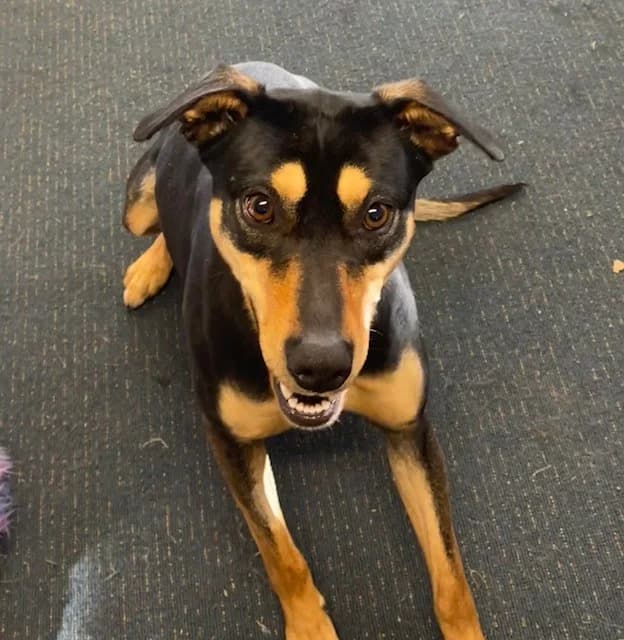
Bella
2 years 9 months • Mixed Breed
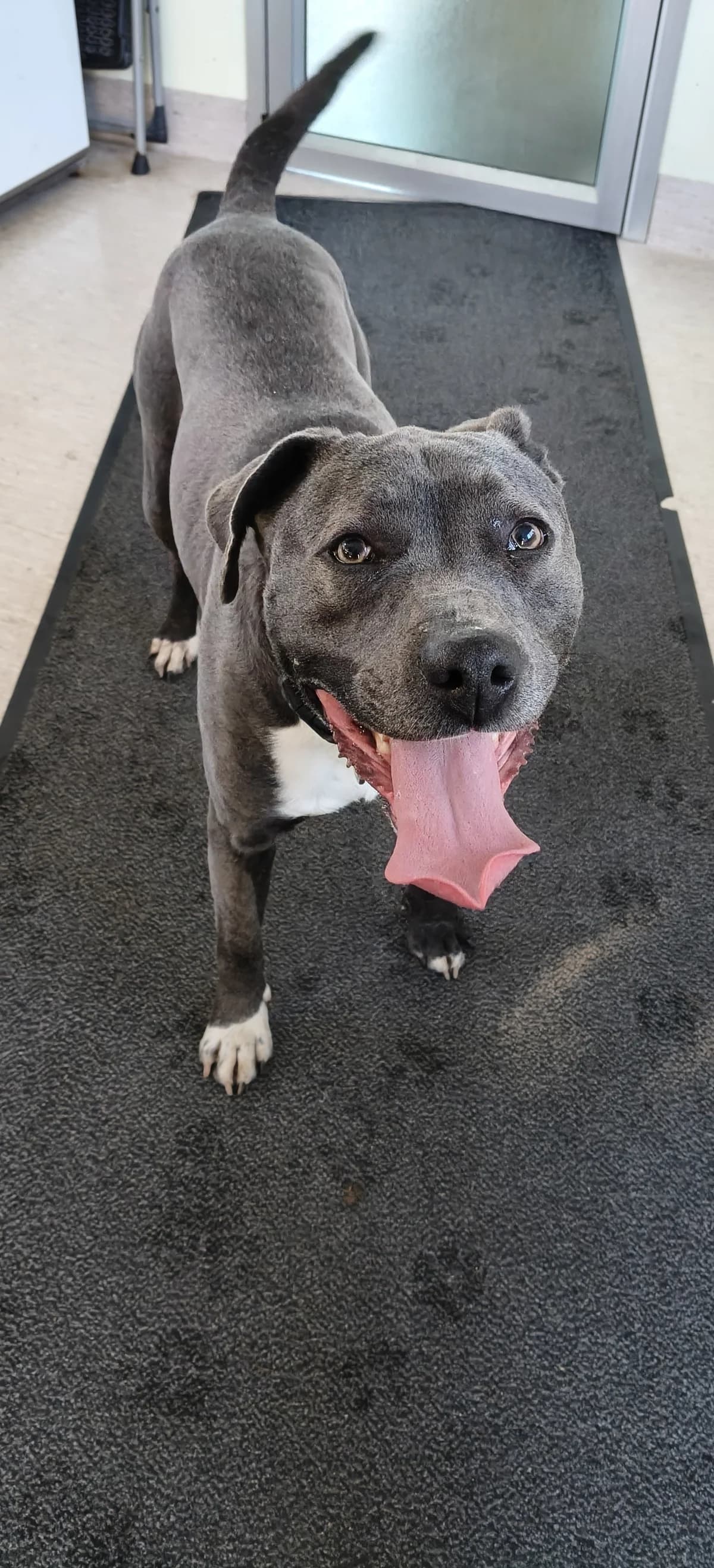

Bucket
2 years 6 months • Mixed Breed


Daisy
7 years 4 months • Mixed Breed
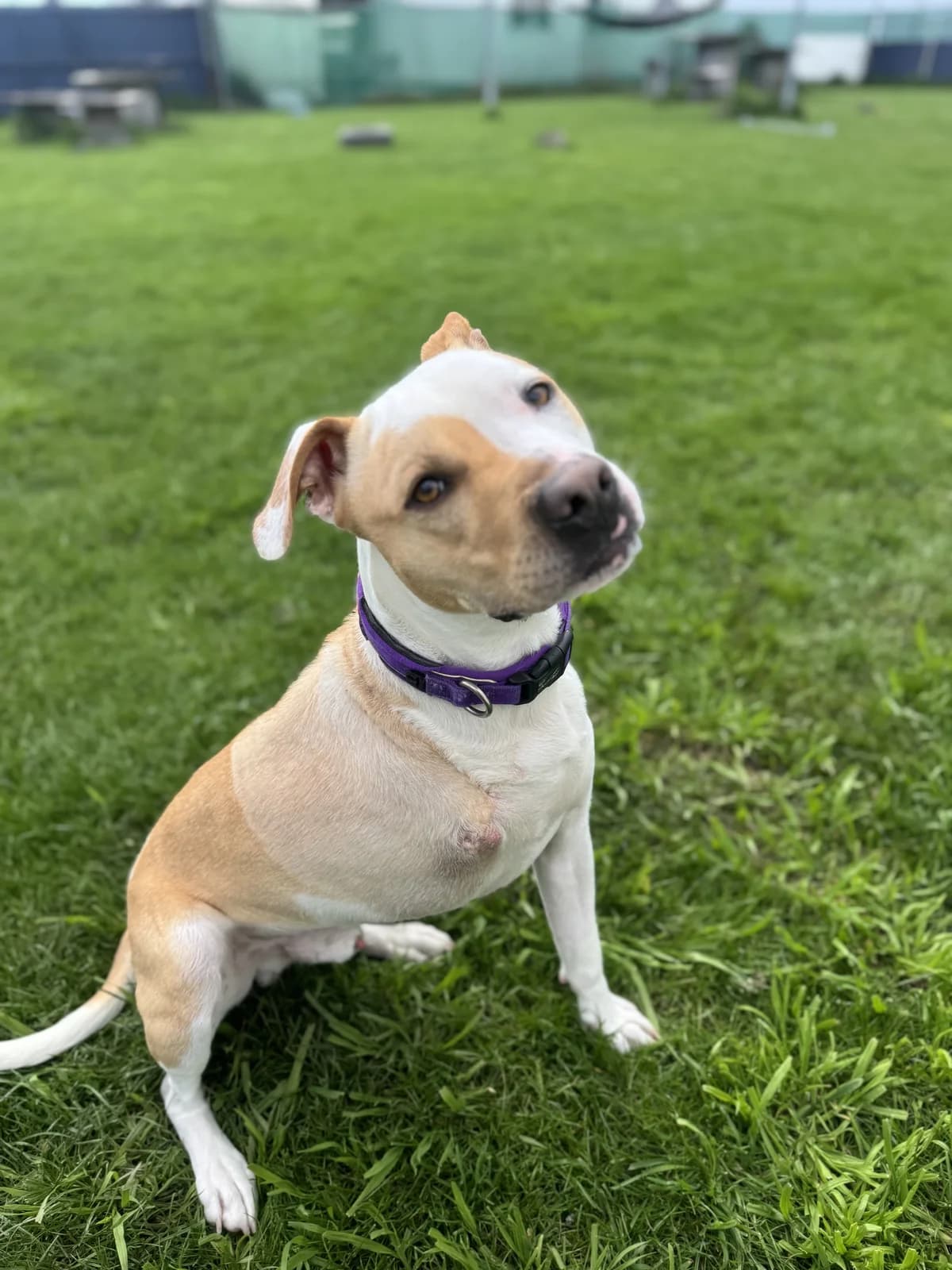
Hopper
3 years 1 month • Mixed Breed
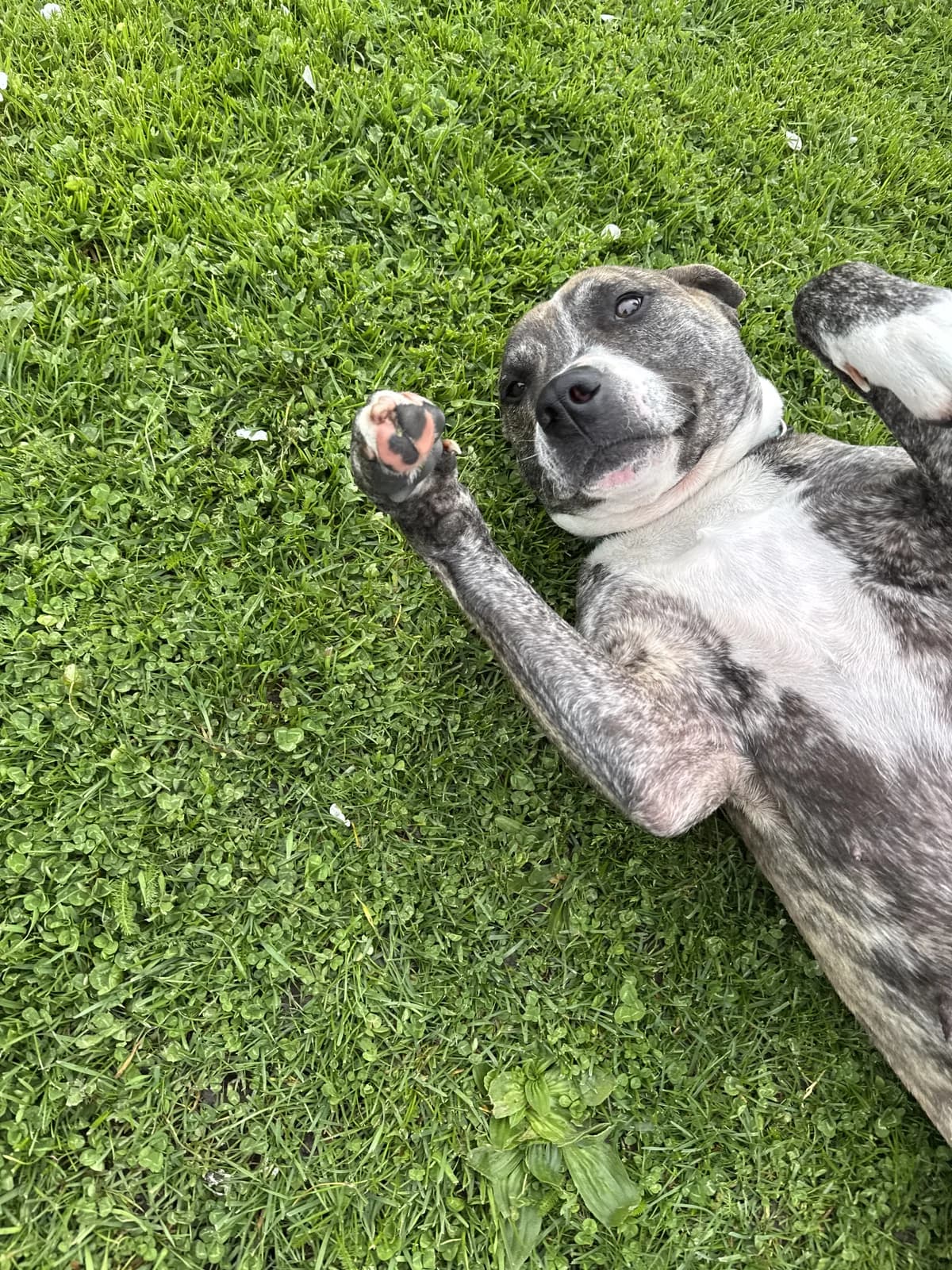
Milly
3 years 2 months • Mixed Breed
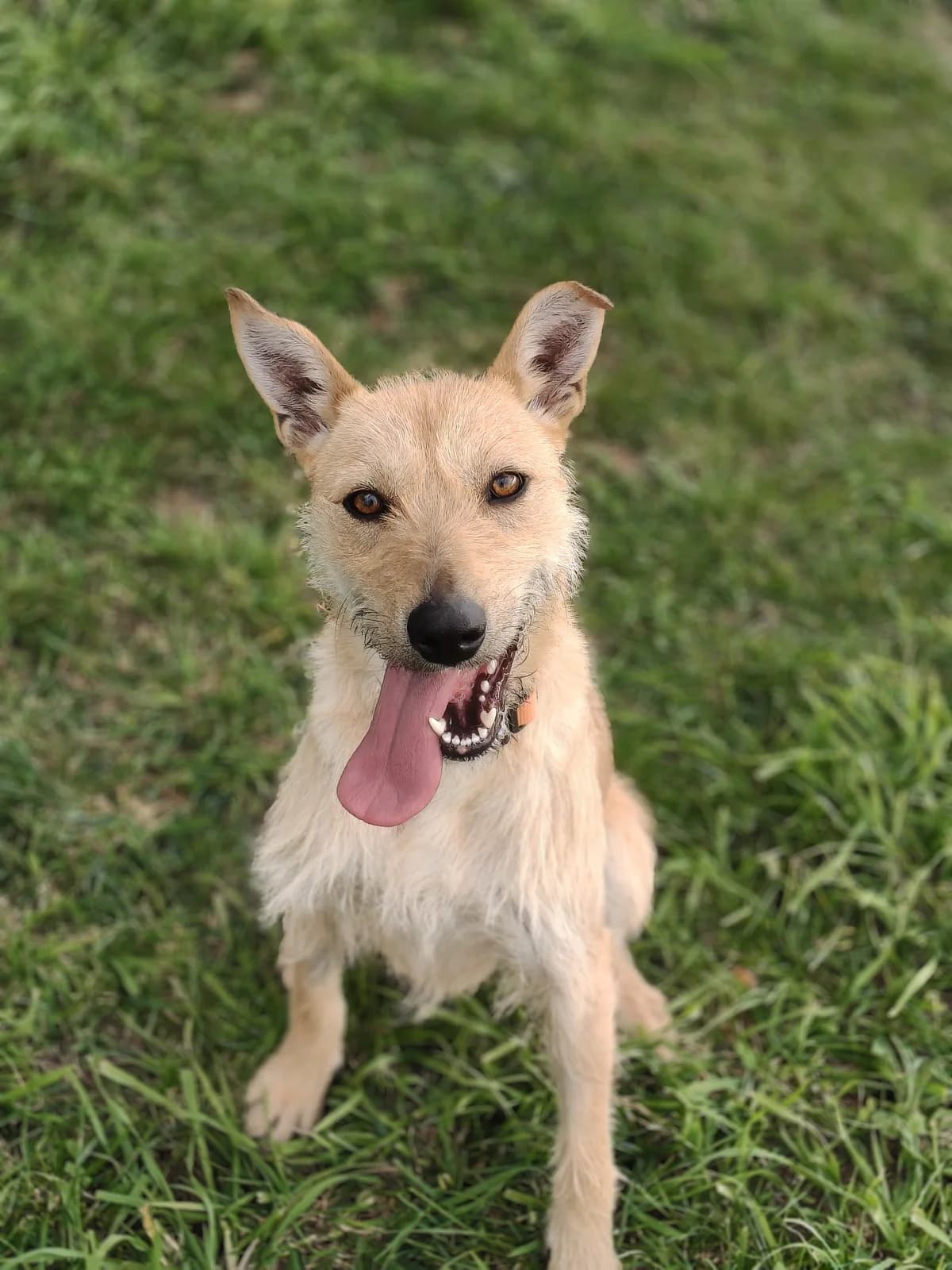
Pippa
2 years 2 months • Mixed Breed

Quatro
1 year 10 months • Mixed Breed
Showing 1-9 of 10 dogs
Get notified about new dogs in Christchurch
We will email you when new rescue dogs become available in Christchurch, so you can be among the first to meet them.
Finding the right family dog in Christchurch means matching your household's energy, space, and lifestyle with a dog's temperament. The best family dogs are patient with children, adaptable to busy routines, and socialised enough to handle the noise and unpredictability of family life. Christchurch and New Zealand rescue organisations assess every dog in foster homes before adoption, so you will know exactly how a dog behaves around kids before bringing them home.
Every dog listed below has been identified as good with children by their rescue or foster family. Whether you are looking for an energetic walking buddy for your active kids or a calm couch companion for movie nights, there is a family-friendly rescue dog waiting for you in Christchurch. Listings update regularly.
Choosing the Right Family Dog
The best family dog is the one that matches your household's energy, space and lifestyle, not the one with the most famous breed name. A great family dog is patient with children, adaptable to a busy routine, and socialised enough to handle the noise and unpredictability of family life. Those qualities come down to the individual dog far more than to its breeding.
This is where adopting from a rescue gives families a real advantage. Christchurch and New Zealand rescues assess every dog in foster homes before adoption, so you can know how a particular dog behaves around children, other pets and daily household chaos before you bring it home. That first-hand knowledge takes much of the guesswork out of a decision that matters enormously.
Start by being honest about your family: the ages of your children, how active you are, how much space you have, and how much time you can give a dog. Share all of that with the rescue, and let them steer you towards the dogs whose temperament and needs genuinely fit your life. A well-matched dog is the foundation of a happy family home.
Best Family Dog Types in Christchurch Rescues
Some types come up again and again as family favourites in Christchurch rescue. Labrador and Retriever crosses are famously gentle, patient and trainable, happy on a bushwalk one moment and settled on the lounge the next. Staffy and bull-breed crosses, despite an undeserved reputation, are often sturdy, affectionate dogs that adore children and cope well with the rough and tumble of family life.
Beyond these, countless gentle mixed breeds make wonderful family dogs without any pedigree at all. Temperament and size vary from dog to dog, so the rescue's assessment of the individual animal is far more useful than a breed reputation. A calm, sociable crossbreed with a known track record around kids is a safer bet than a purebred chosen on looks alone.
Whether your family wants an energetic walking buddy for active kids or a calm couch companion for movie nights, there is a family-friendly rescue dog to suit. Ask the foster carers which of their current dogs have been assessed as gentle and reliable with children, and let their real-world observations guide your shortlist.
Matching a Dog to Your Family's Age and Lifestyle
A family with toddlers has different needs from a family with teenagers, and the right dog reflects that. Very young children are unpredictable and still learning to be gentle, so a calm, sturdy, tolerant dog and constant supervision are essential, and many counsellors gently steer families with toddlers towards settled adult dogs with a known temperament rather than a puppy.
As children reach school age and can understand and follow rules, the range of suitable dogs widens. School-age and older children can learn to handle a dog respectfully, help with its care, and build a genuine bond, which opens the door to a broader mix of energy levels and sizes. Match the dog's activity level to how active your family actually is, not how active you hope to be.
Space and routine matter too. A high-energy dog in a busy household with no time to exercise it is a recipe for frustration on both sides, while a calm dog can thrive almost anywhere its people are present. Being realistic about your daily life is the kindest thing you can do for the dog you choose.
Adult Dog or Puppy for a Family?
Adult dogs aged roughly two to six are often the ideal choice for families with children. They are past the nippy, mouthing, high-energy puppy stage, their temperament is fully developed and known, and many are already house-trained, which means far less work in a household that is already busy with kids.
Puppies are appealing, and raising one alongside children can be rewarding, but be honest about the workload. A puppy needs intensive toilet training, socialisation and near-constant supervision in its first months, which is genuinely hard to sustain when you also have young children to look after. The cute stage is short; the work is not.
With an adult rescue dog, what you see is what you get, and the rescue can tell you exactly how the dog behaves around children because it has been assessed in a foster home. For most families, that certainty and lower workload make an adult dog the wiser choice, and adult dogs also wait far longer for homes.
Safe Introductions and the First Weeks
First impressions set the tone, so keep the introduction calm and controlled. Have children sit quietly and let the dog approach them rather than the other way around, avoid hugging, grabbing and loud excitement, and use treats to build positive associations. A gentle first meeting helps a new dog feel safe with its new family.
Give the dog time to settle using the familiar three-three-three guide: three days to decompress, three weeks to learn the routine, and three months to feel fully at home. Set up a safe space such as a crate or gated area where the dog can retreat undisturbed, and teach children to leave it alone when it goes there.
Supervise all interactions between the dog and young children for the first several weeks, no matter how confident you feel, and never leave a young child alone with any dog. Teaching children to be gentle, to respect the dog's space, and to read when it wants a break is what turns a promising match into a lifelong friendship.
Costs, Registration and Getting Ready
Adopting a family dog from a Christchurch or New Zealand rescue typically costs a few hundred dollars, and the fee already covers desexing, vaccination, microchipping and a vet check. The same dog from a breeder would run into the thousands with none of that done, so adoption is by far the more affordable way to bring a well-started dog into family life.
Councils in New Zealand require dogs to be microchipped and registered, with desexed dogs usually paying a lower registration fee, so keep the paperwork from your rescue and update your details on the microchip registry, since that chip is how a lost family dog gets home. Budget for the ongoing costs of food, parasite prevention, training and routine vet care.
Getting the home ready before the dog arrives helps the whole family start well. Set up a bed and a safe space, buy a lead, a collar and a few toys, agree the household rules with your children in advance, and plan who will handle walks and feeding. A little preparation makes the first days calmer for everyone, dog and children alike.
Family Dog Adoption FAQ
Tap a question to expand