The short answer
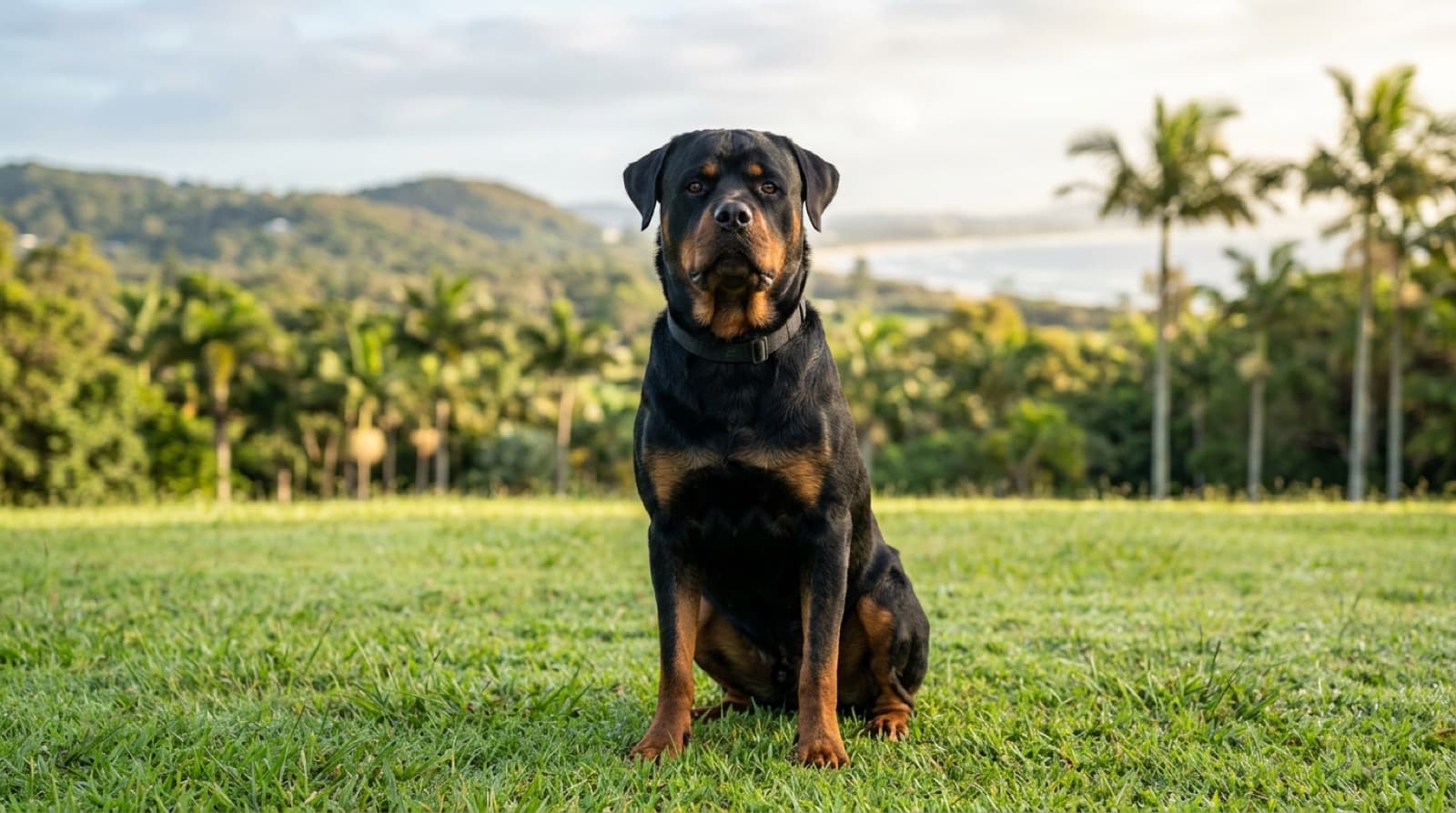
Rottweilers come into Auckland rescue steadily through SPCA New Zealand (Auckland centres at Māngere and Hobsonville), foster-based rescues such as Saving Hope Foundation and PAWS Restart, and the Auckland Council animal shelters, and adopting one is inexpensive: an adult Rottweiler costs $149 to adopt at the SPCA with desexing, microchipping and vaccination done. The Rottweiler is not a restricted breed in New Zealand and is legal to own and rehome normally. What it asks for is an experienced home. This is a large, powerful, intelligent guardian breed that needs committed training, early and ongoing socialisation, secure fencing and a confident owner, and it is not a first-dog breed for most people. Check any rental or body corporate rules, because plenty of Auckland homes are rented or sit under a body corporate and some landlords and schemes are cautious about large breeds, and budget for a big dog with real health risks that make insurance worthwhile. On humid summer days, exercise a dark-coated dog in the cool of the day. Meet those needs and a Rottweiler is a calm, devoted, steady companion of real character.
Why Rottweilers end up in Auckland rescue
Understanding why Rottweilers reach rescue is the best preparation for adopting one, and the reasons are mostly about mismatched expectations rather than bad dogs.
Underestimated needs. A Rottweiler is a large, strong, intelligent guardian that needs serious training, ongoing socialisation and a confident owner. People who took one on without appreciating that reality often struggle as the dog matures into a powerful adult, and surrender when they cannot manage it.
Housing. Plenty of Auckland homes are rented or sit under a body corporate, and many body corporate schemes and private landlords are wary of large guarding breeds, so an owner who moves into a place that will not accept the dog sometimes has to give it up out of necessity rather than choice. Large breeds are among the first to lose their homes when housing changes.
Perception and cost. Public wariness of the breed, the expense of a big dog, and the commitment a guardian breed demands all contribute, and ordinary life changes account for the rest.
The dogs themselves, when well raised, are loyal, affectionate and steady. What a rescue Rottweiler needs is an experienced, committed home with the training knowledge, space and time the breed requires, not a different temperament. Ask the rescue about the dog's temperament, its socialisation and training history, and how it is with people and other animals.
Where to adopt a Rottweiler in Auckland
Rottweilers come into rescue steadily, and careful matching matters with a powerful breed. Set up alerts on every rescue you would consider.
- SPCA New Zealand. The country's oldest and largest animal welfare charity runs the Auckland Centre at Māngere (50 Westney Road, open daily, adoptions by appointment through its online application) alongside its other Auckland centre at Hobsonville, and large breeds including Rottweilers and Rottweiler crosses come through regularly. Every SPCA dog is desexed, microchipped and vaccinated before adoption, the fee is the same at every centre, and the Dog Control Act requires the SPCA to register the dog before it goes home with you. The team can tell you honestly how a particular dog is with people and other animals. Browse at spca.nz/adopt.
- Saving Hope Foundation. An Auckland no-kill dog rescue whose dogs live in foster homes across the city, with each listing naming the suburb. Because the dogs live in foster homes, the notes on a Rottweiler's temperament, training and how it is with people and other animals tend to be detailed and accurate, which matters a great deal for a guardian breed. Listings at savinghope.co.nz.
- PAWS Restart. A smaller registered Auckland charity (CC61702) that rehomes dogs through foster care. Smaller rescues see fewer Rottweilers at any one time, but the matching is careful and the carer notes are detailed, so contact them directly and be ready to wait for the right match. Find them at pawsrestart.org.nz.
- Auckland Council animal shelters. Impounded dogs that are not claimed can be rehomed through the council, so it is worth checking the council's dogs and animals pages as well as the charities above.
Whatever the source, verify any rescue through a real address, a current adoptable-dog list and charitable status before sending money. For the full process, see our Auckland adoption resources, and browse the current Rottweilers and Rottweiler crosses on the Auckland Rottweiler listings.
How much does Rottweiler adoption cost in Auckland?
SPCA New Zealand charges the same fee at every centre: $149 for a dog aged five months to eight years, $399 for a puppy under five months and $75 for a senior of nine years or more, plus a $2.50 service charge. That fee already includes desexing, microchipping and vaccination, which would cost far more if you paid for them separately after a private purchase. Foster-based rescues set their own fee and show it on each listing, and a breeder Rottweiler puppy typically costs several thousand dollars before any of that vet work.
Council registration is a separate legal step from the adoption. Under the Dog Control Act 1996, every dog older than three months must be registered with the council for the current year, a dog registered for the first time must be microchipped within two months, and on a change of ownership both the old and new owner must notify the council in writing within 14 days. Auckland Council sets its own fees, markedly cheaper for a desexed dog and cheaper again with a Responsible Dog Owner Licence; check the current figures on the Auckland Council registration page. On top of that, budget for secure fencing suited to a large, strong dog, a sturdy harness and lead, and general setup.
Ongoing yearly costs are higher for a big dog, covering food, routine vet care, continuous flea and worm prevention and training, with food and any medical care scaling with the size. The Rottweiler also carries some real health risks, so pet insurance taken out while the dog is young is genuinely worthwhile, and we cover the medical picture in the Rottweiler breed guide.
Browse Rottweilers available in Auckland rescue
Rottweilers come into New Zealand rescue steadily and need experienced homes. Browse live listings across Auckland, and give a loyal guardian the home it needs.
See Available Rottweilers →The Rottweiler reality, in brief
You cannot adopt a Rottweiler responsibly without respecting the guardian breed underneath, so here is the short version. A Rottweiler needs committed, reward-based training and early and ongoing socialisation, a confident and experienced owner, secure fencing suited to a large strong dog, and a good hour of daily exercise plus mental work. It is generally aloof with strangers and devoted to its family, and it thrives on having a job and a purpose. It is not a dog to leave idle, and it is not, for most people, a first dog. Auckland's mild climate suits a big dark-coated dog most of the year, but on humid summer days exercise it in the cool of the morning and evening and keep water and shade up.
None of this makes a Rottweiler a dangerous or difficult dog; it makes it a serious, capable breed that rewards a knowledgeable home. We cover the training, socialisation and health side in more depth in the Rottweiler breed guide.
What a Rottweiler is like to live with
For an experienced owner, a well-raised Rottweiler is a wonderful companion. They are calm, confident and steady, deeply loyal and affectionate with their family, and often gentle and protective with their own children. Intelligent and eager to work, they thrive on training and a sense of purpose, and a good Rottweiler is a dog of real character and dignity that bonds closely and profoundly with its people. They are natural guardians, watchful and aloof with strangers while devoted at home.
The other side is the responsibility that comes with a large, powerful guarding breed: the training, the socialisation, the secure containment, and being a considerate owner in public and around housing rules. This is a dog for a committed, experienced household with space, not for someone wanting a low-effort pet. Match the breed to your genuine experience and lifestyle, and a rescue Rottweiler will repay you with years of steady, devoted, dignified companionship.
Auckland weather, the lead rule and the kauri rule
Auckland is where this guide parts company with one written for a hotter country, mostly in good ways. There is no tick in New Zealand that paralyses dogs, so the year-round tick emergency that shapes a big dog's life across the Tasman simply does not apply here. What Auckland has instead is a mild, humid, often wet climate, and that changes the routine in smaller ways.
Humidity, rain and a dark coat. Auckland summers are warm and sticky rather than extreme, but a large, black-coated dog soaks up the sun, so on humid days walk in the cool of the morning and evening, carry water, and watch for heavy panting. Winters are mild and wet, which a Rottweiler's dense coat handles well; dry the coat after a wet walk and keep an eye on the skin folds and ears. Fleas and intestinal worms stay active most of the year in a mild climate, so keep prevention continuous rather than seasonal, and ask your vet about heartworm risk for your area.
Where you can walk, and the kauri rule. Dogs in Auckland's council-controlled parks and beaches are on-leash by default, you must carry a lead, and off-leash access applies only where a place is listed for it, often with time-of-day or seasonal limits at beaches. The regional rules changed on 1 August 2025, so check the council's find where and when you can walk your dog page before you try a new beach, and with a guardian breed a solid recall and a considerate approach to other dogs matter even where off-leash is allowed. Large sections of the Waitākere Ranges are closed to stop the spread of kauri dieback, and some regional-park beaches prohibit dogs in part, so a west-coast bush walk needs planning rather than assuming. If something goes wrong after hours, including bloat, which is a genuine emergency in a deep-chested breed, Animal Emergency at VSA runs two 24-hour hospitals, at Sylvia Park in Mt Wellington and in Henderson, so know the route before you need it.
Registering your Rottweiler in Auckland, and avoiding scams
It is worth stating plainly: the Rottweiler is not among the breeds listed in Schedule 4 of the Dog Control Act 1996, so it is legal to own and rehome normally in New Zealand. Auckland Council sets its own registration fees: a desexed dog is markedly cheaper than an entire one, a Responsible Dog Owner Licence cuts the fee again, and paying before 1 August avoids the late rate, so a rescue Rottweiler, already desexed and microchipped, registers at the low end. Remember the SPCA must register a dog before it rehomes it, so an SPCA Rottweiler arrives already on the books, and you still need to notify the council of the change of ownership. Check any rental or body corporate rules before you apply, because some landlords and buildings are cautious about large breeds even where the law allows them, and a rescue will want to see that you have sorted it.
On scams, New Zealand has no national breeder register, so there is nothing to look a seller up against. That makes the old rules matter more: see the puppy with its mother at the seller's property, get the microchip number and vaccination record in writing, and never pay a deposit or a transport fee for a dog you have not met. A cheap or free Rottweiler on Trade Me or Facebook with a story about being out of town is the classic setup. Adopting through the SPCA or a verified Auckland rescue avoids the problem entirely.
Frequently Asked Questions
Where can I adopt a Rottweiler near me in Auckland?
Start with SPCA New Zealand, which runs its Auckland Centre at Māngere and a second Auckland centre at Hobsonville, with adoptions by appointment through its online application. Rottweilers and Rottweiler crosses come through regularly, foster-based rescues such as Saving Hope Foundation and PAWS Restart place dogs through foster homes and can describe a dog's temperament in detail, and unclaimed dogs can be rehomed through the Auckland Council animal shelters. Because a Rottweiler is a powerful dog that needs the right match, careful assessment matters more than speed, so set alerts across the rescues and be ready with an honest picture of your experience, housing and lifestyle. The right rescue will want to match the individual dog to a home that suits it.
Why do Rottweilers end up in rescue?
Mostly because their needs are underestimated. A Rottweiler is a large, strong, intelligent guardian breed that requires committed training, early and ongoing socialisation, and a confident owner, and people who took one on without that reality often cannot cope as the dog matures. Housing is another big factor: plenty of Auckland homes are rented or sit under a body corporate, and many landlords and schemes are wary of large guarding breeds, so owners who move sometimes cannot keep the dog. Add public perception, the cost of a big dog, and ordinary life changes, and a steady number reach New Zealand rescue. The dogs themselves are usually loyal, affectionate and steady when well raised; the problem is almost always a home that could not meet the breed's needs.
How much does it cost to adopt a Rottweiler in Auckland?
At SPCA New Zealand the fee is the same at every centre: $149 for a dog aged five months to eight years, $399 for a puppy under five months and $75 for a senior of nine or more, plus a $2.50 service charge, with desexing, microchipping and vaccination already done. Foster-based rescues set their own fee and show it on each listing. On top of the fee, budget for Auckland Council registration (cheaper for a desexed dog and cheaper again with a Responsible Dog Owner Licence), secure fencing suited to a large, strong dog, a sturdy harness and lead, and general setup. Ongoing yearly costs are higher for a big dog, with food and any medical care scaling with the size, plus continuous flea and worm prevention. Rottweilers also carry some real health risks that make pet insurance genuinely worthwhile. A large guardian breed is a significant financial as well as time commitment.
Are Rottweilers good family dogs?
Well-bred and well-socialised Rottweilers are calm, affectionate and deeply loyal family dogs, often devoted to and gentle with their own children, and their steady, confident temperament is a big part of the breed's appeal. The key words are socialisation and training: a Rottweiler raised from early on with clear, kind guidance and plenty of positive exposure becomes a wonderful family companion, while an under-socialised guarding dog of this size and strength is a real responsibility. Supervision around young children and visitors is always sensible given the size, and the breed suits an active family with the experience, time and space it needs rather than a first-time owner wanting an easy pet.
Are Rottweilers a restricted breed in New Zealand?
No. The Rottweiler is not a restricted breed under the Dog Control Act 1996 and is legal to own and rehome normally. Schedule 4 of the Act lists the Brazilian Fila, Dogo Argentino, Japanese Tosa, Perro de Presa Canario and the American Pit Bull Terrier type, which must be classified as menacing; the Rottweiler is not among them. Like any dog in New Zealand it must be registered with the council from three months of age, microchipped within two months of its first registration, and on a change of ownership both the old and new owner must notify the council in writing within 14 days. As a large, powerful guarding breed, a Rottweiler benefits from a responsible owner who prioritises training, socialisation and secure containment, and you should check any rental or body corporate rules, because some landlords and buildings are cautious about large breeds even where the law allows them. Every dog owner in New Zealand also has a general duty under the Act to keep the dog under control.
Do Rottweilers get on with other dogs and pets?
It depends on the individual and on socialisation. Many well-socialised Rottweilers live happily with other dogs and with cats they are raised alongside, but some, particularly with dogs of the same sex, can be less tolerant, and the breed's size and strength mean any conflict is serious. Early and ongoing socialisation makes a big difference, and a good rescue assesses each dog and tells you honestly how it is with other animals. If you have a resident dog or cat, look for a Rottweiler specifically assessed as compatible, manage introductions carefully, and be guided by the rescue's read of the individual dog rather than by breed generalisations.
How much exercise does a Rottweiler need?
Moderate to high, with mental work as important as physical. An adult Rottweiler needs a good hour or so of daily exercise, walking, play and secure activity, plus training and enrichment to occupy the intelligent, working mind, and a bored, under-exercised Rottweiler can become difficult to manage given its size. This is an intelligent working breed that thrives on having a job and a purpose, so obedience training, structured activities and problem-solving games matter as much as the walk. Auckland's mild climate suits a big dog most of the year, but on humid summer days exercise in the cool of the morning and evening, because a large, dark-coated dog can overheat. An active owner who enjoys training and spending time with their dog will find the commitment rewarding rather than a chore.
Should I adopt an adult Rottweiler or a puppy?
For most people an adult is the wiser choice, and with a large guardian breed it is doubly true. An adult Rottweiler has a temperament a rescue can properly assess, established manners, a known size and a lower adoption fee, and you can see whether this individual dog suits your home and experience, which matters enormously for a breed where temperament and handling are everything. A Rottweiler puppy is a lot of powerful dog to raise well and gives you no reliable read on its adult character. Rescues evaluate each dog in foster or shelter care and match carefully, so adopting an adult whose real temperament is known is a genuine advantage, not a compromise.
Is a Rottweiler a good first dog?
Generally, no, and it is better to be honest about that. A Rottweiler is a large, powerful, intelligent guarding breed that needs experienced, confident handling, committed training and consistent socialisation, and it is a lot of dog for a first-time owner to get right. That is not to say it is impossible: a dedicated first-time owner who has genuinely researched the breed, is committed to training and socialisation classes, has suitable housing and space, and ideally works with a good force-free trainer can succeed and find the breed hugely rewarding. But the stakes are higher than with an easier breed, so if this is your first dog, go in with real preparation and support, and be guided by a rescue that will match you carefully.
Keep reading
Adoptable Rottweilers in Auckland
Live listings of Rottweilers and Rottweiler crosses, with filters for age, size and household compatibility.
Rottweiler Breed Guide
The breed guide: socialisation, reward-based training, the guarding instinct, and the large-breed risks to plan for, from hips and bloat to the heart.
The Best Dog Rescues in Auckland
SPCA New Zealand, Saving Hope Foundation and PAWS Restart compared: how each works and what the fee covers.
Auckland Adoption Resources
Guides on adopting, costs, council rules and settling a rescue dog in Auckland.