The short answer
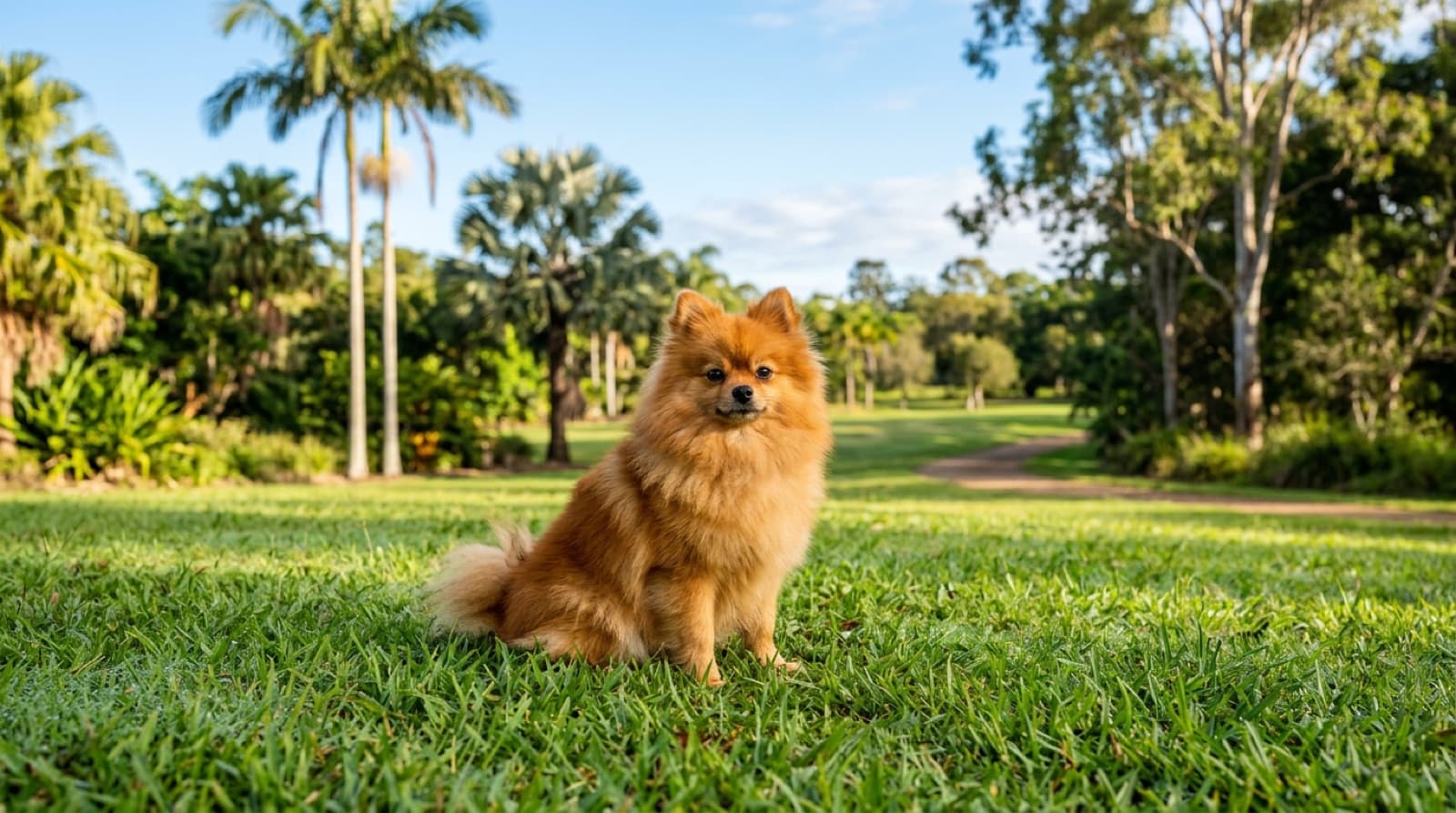
Pomeranians appear in Auckland rescue regularly through SPCA New Zealand (Auckland centres at Māngere and Hobsonville) and foster-based rescues such as Saving Hope Foundation and PAWS Restart, largely because the breed is so over-bred. An adult Pom costs $149 to adopt at the SPCA with desexing, microchipping and vaccination done, against several thousand dollars from a breeder. Most rescue Poms are adolescents or adults surrendered from puppy-farm closures, elderly owners passing, or underprepared buyers, and Pom crosses turn up too. The breed is a vocal, characterful, low-exercise companion that suits apartment and unit life, but it needs real coat work, and its dense double coat, which copes well with Auckland's mild climate, needs drying after wet winter walks and must never be shaved for summer. Avoid “teacup” Poms, which are bred unnaturally tiny at the cost of their health. New Zealand has no breeder register, so seeing the puppy with its mother and getting the microchip number in writing are your scam safeguards.
Why so many Poms are in New Zealand rescue
The Pomeranian descends from much larger spitz sled dogs, bred down over generations into the tiny companion we know now, and its enormous popularity is exactly the problem. High demand plus a small, valuable dog is a recipe for over-breeding, and that is the story behind most Poms in rescue.
Over-breeding and puppy-farm closures.
Poms are produced in large numbers for a booming market, and when a commercial breeding operation is reduced, shut down or reported, breeding dogs enter rescue in groups. These dogs can need patience and decompression, but they very often blossom into devoted pets once out of the breeding shed.
Elderly owners.
The Pom has been a beloved companion for older New Zealanders for decades, and the dogs commonly outlive their owners or reach rescue when an owner can no longer care for them. Many of these are gentle, well-socialised dogs who simply lost their person.
Underprepared buyers.
A lot of people buy a Pom for the fluffy, foxy looks and are surprised by the reality: a vocal little dog that alerts at everything, a double coat that needs regular brushing, and a big personality that needs training and boundaries like any dog. When those surprises pile up, the dog is sometimes surrendered. None of it is the Pom's fault.
The truth about “teacup” Pomeranians
It is worth being blunt about this, because it drives so much of the harm in the breed. “Teacup” is not a real or official size. It is a marketing label used to sell Poms bred to be unnaturally tiny, often under 2 kg, at premium prices. Breeding for extreme smallness stacks the deck against the dog: teacup Poms are prone to dangerous drops in blood sugar (hypoglycaemia), bones that break from a small fall, severe dental crowding, and often shorter lives.
Rescue does sometimes take in very small Poms, frequently from the puppy farms that bred them that way, and these dogs deserve homes with experienced adopters who understand the medical complications. But paying a breeder a premium for a teacup rewards exactly the breeding that hurts these dogs. A standard-size Pomeranian, around 2 to 3.5 kg, is a sturdier, healthier, longer-lived dog, and adopting one is both kinder and safer.
Where to actually look in Auckland
- SPCA New Zealand. The country's oldest and largest animal welfare charity runs the Auckland Centre at Māngere (50 Westney Road, open daily, adoptions by appointment through its online application) alongside its other Auckland centre at Hobsonville, and small toy breeds like the Pom turn up regularly, including groups from breeding-operation closures. Every SPCA dog is desexed, microchipped and vaccinated before adoption, the fee is the same at every centre, and the Dog Control Act requires the SPCA to register the dog before it goes home with you. Browse at spca.nz/adopt.
- Saving Hope Foundation. An Auckland no-kill dog rescue whose dogs live in foster homes across the city, with each listing naming the suburb. A foster carer who has lived with the dog can tell you exactly how it is with children, other pets and being handled, which matters for a fragile toy breed. Listings at savinghope.co.nz.
- PAWS Restart. A smaller registered Auckland charity (CC61702) that rehomes dogs through foster care. Smaller rescues see fewer Poms at any one time, but ex-breeding dogs and Pom crosses do come through, the matching is careful and the carer notes are detailed. Find them at pawsrestart.org.nz.
- Auckland Council animal shelters. Impounded dogs that are not claimed can be rehomed through the council, so it is worth checking the council's dogs and animals pages as well as the charities above.
The honest cost comparison
Real first-year costs in Auckland:
| First-year cost | Rescue Pom | Breeder Pom |
|---|---|---|
| Adoption fee or purchase price | $149 adult or $399 puppy at the SPCA (plus a $2.50 service charge) | Several thousand dollars |
| Desexing | Included | $250 to $500 |
| Microchipping | Included | Paid separately |
| First-year vaccinations | Included | $200 to $400 |
| Initial vet check | Included | $100 to $200 |
| Council registration (reduced fee if desexed and microchipped) | Set by Auckland Council (cheaper for a desexed dog) | Set by Auckland Council (cheaper for a desexed dog) |
| Year 1 food (toy breed) | $400 to $700 | $400 to $700 |
| Parasite prevention (flea, worm, heartworm) | $300 to $550 | $300 to $550 |
| Grooming (double coat, 4 to 6 visits) | $300 to $700 | $300 to $700 |
| Initial gear (bed, harness, bowls, brush) | $200 to $400 | $200 to $400 |
| Pet insurance (recommended) | $500 to $1,000 | $500 to $1,000 |
| Year 1 total (excluding council fee) | The adoption fee plus the everyday costs above | Several thousand dollars more, with the vet work still to pay |
Adopting is many times cheaper up front and the dog arrives already vetted. Two lines to note for a Pom: grooming is a real recurring cost for a double-coated breed, and a harness (never a collar) is a small but important piece of gear, because the breed is prone to a windpipe problem, tracheal collapse, covered in the Pomeranian breed guide.
Browse Pomeranians available in Auckland rescue
Poms and Pom crosses appear in New Zealand rescue regularly. Browse live listings and set an alert so you hear the moment one comes in, and foster carer notes describe each dog before you apply.
See Available Pomeranians →What to expect from a rescue Pom
- Small but not fragile-by-default. A standard Pom is around 2 to 3.5 kg, sturdy enough for a sensible household, though any toy dog needs gentle handling and care around small children and big dogs.
- Vocal. Poms alert at everything: the door, the corridor, other dogs. It is manageable with training and enough stimulation, but factor the voice in for unit living.
- Bright and trainable. Poms are clever spitz dogs that do well with reward-based training and enjoy learning; a bored Pom barks and gets into mischief.
- Low exercise needs. A couple of short walks plus play suits them, which makes them a great apartment and low-mobility companion, but they still need daily activity and mental work.
- Serious coat, heavy shedder. The double coat needs regular brushing and sheds a lot, with bigger seasonal blows, and a wet Auckland winter adds drying to the routine.
- Often good with older kids and adults. The breed generally suits adult-only homes or homes with gentle older children better than toddlers.
The first month home is a decompression period, and an ex-breeding Pom may need longer to learn that a home is safe. The 3-3-3 rule applies: three days to decompress, three weeks to start showing personality, three months to fully settle.
Auckland weather, the double coat and the kauri rule
Auckland changes the climate picture for a Pom, mostly in good ways. New Zealand has none of the dangerous ticks that shape dog ownership across the Tasman, so there is no year-round tick emergency to plan around. What Auckland has instead is a mild, humid, often wet climate, and a double-coated spitz is better built for it than for a hot one.
Humidity, rain and the double coat. Auckland summers are warm and sticky rather than extreme, but a Pom wears a dense double coat, so walk in the cooler hours, carry water, give the dog a cool indoor space, and never shave the coat to cool it down: shaving a double coat removes its protection and can leave it growing back patchy or not at all, and brushing out the dead undercoat is what actually helps. Winters are mild and wet, which the coat handles well in principle, but a soaked double coat on a tiny dog takes a long time to dry and can leave the dog chilled with skin trouble underneath, so towel the Pom off after a rainy walk and consider a dog coat for wet days. Fleas and intestinal worms stay active most of the year in a mild climate, so keep prevention continuous rather than seasonal, and ask your vet about heartworm risk for your area.
Where you can walk, and the kauri rule. Dogs in Auckland's council-controlled parks and beaches are on-leash by default, you must carry a lead, and off-leash access applies only where a place is listed for it, often with time-of-day or seasonal limits at beaches. The regional rules changed on 1 August 2025, so check the council's find where and when you can walk your dog page before you try a new beach, and keep a tiny dog close in any off-leash area shared with big dogs. Large sections of the Waitākere Ranges are closed to stop the spread of kauri dieback, and some regional-park beaches prohibit dogs in part, so a west-coast bush walk with a Pom needs planning rather than assuming. If something goes wrong after hours, Animal Emergency at VSA runs two 24-hour hospitals, at Sylvia Park in Mt Wellington and in Henderson, so know the route before you need it.
Registering your Pom in Auckland, and avoiding scams
The Pomeranian is a small companion breed and is not on the restricted list, so it is legal to own and rehome normally. New Zealand's dog law is the Dog Control Act 1996. Every dog older than three months must be registered with the council for the current registration year, a dog registered for the first time must be microchipped within two months of that registration, and when a dog changes hands both the old owner and the new owner must tell the council in writing within 14 days. Auckland Council sets its own fees: a desexed dog is markedly cheaper than an entire one, a Responsible Dog Owner Licence cuts the fee again, and paying before 1 August avoids the late rate, so a rescue Pom, already desexed and microchipped, registers at the low end. Check the current figures on the Auckland Council registration page, and remember the SPCA must register a dog before it rehomes it, so an SPCA Pom arrives already on the books.
On scams, Poms are a favourite bait breed precisely because they are so wanted and valuable, and New Zealand has no national breeder register, so there is no breeder registration number to check against a listing. That makes the old rules matter more: see the puppy with its mother at the seller's property, get the microchip number and vaccination record in writing, and never pay a deposit or a transport fee for a dog you have not met. A cheap or “teacup” Pom on Trade Me or Facebook with a story about being out of town is the classic setup. Adopting through the SPCA or a verified Auckland rescue avoids the problem entirely.
Frequently Asked Questions
Can you actually find a Pomeranian in Auckland rescue?
Yes, more often than you might expect. Pomeranians appear in New Zealand rescue regularly, mostly as adolescents and adults, because the Pom is one of the most heavily over-bred toy breeds. Puppy-farm closures, elderly owners passing away, and surrenders from underprepared buyers all create a steady flow into rescue. Listings come through SPCA New Zealand's Auckland centres at Māngere and Hobsonville and through foster-based rescues such as Saving Hope Foundation and PAWS Restart, which place a lot of small dogs. Pom crosses turn up too. Set alerts across every rescue you would consider, be application-ready, and stay open to a cross or an older dog.
How much does it cost to adopt a Pomeranian in Auckland versus buy one?
Adoption is far cheaper up front. At SPCA New Zealand the fee is the same at every centre: $149 for a dog aged five months to eight years, $399 for a puppy under five months and $75 for a senior of nine or more, plus a $2.50 service charge, with desexing, microchipping and vaccination already done. Foster-based rescues set their own fee and show it on each listing. A breeder Pomeranian puppy typically sells for several thousand dollars, and the so-called 'teacup' types are pushed higher still, with none of that vet work done. So adopting is many times cheaper at the outset, the dog arrives already vetted, and you avoid funding the over-breeding that produces most cheap Poms. An adopted adult Pom also comes with a known temperament and coat rather than the unknown of a puppy.
Why are so many Poms in New Zealand rescue?
Three main reasons. First, over-breeding and puppy-farm closures: the Pom is a high-demand toy breed produced in large numbers, and dozens of breeding dogs enter rescue when a commercial operation shuts down. Second, elderly owners: Poms have been popular companions for older New Zealanders for decades, and the dogs commonly outlive their owners. Third, underprepared buyers: the vocal personality, the serious coat work, and small-dog behaviours surprise people who bought on appearance alone. None of it reflects the dogs, which are usually sound, characterful little companions who simply need an owner who knows what the breed involves.
Should I adopt a teacup Pomeranian?
Be cautious. 'Teacup' is not an official size; it is a marketing term breeders use to charge premium prices for dogs bred to be unnaturally tiny, often under 2 kg. These dogs come with disproportionate health risks: hypoglycaemia, fragile bones that break easily, severe dental crowding, and often shorter lives. Rescue does sometimes have very small Poms, frequently from puppy farms that bred for size at the expense of health, and these dogs need experienced adopters who understand the medical complications. A standard-size Pom (around 2 to 3.5 kg) is a sturdier, healthier dog, and buying a teacup from a breeder rewards exactly the breeding that harms them.
Do Pomeranians cope with the Auckland climate?
Better than in a hot climate, with two things to watch. A Pom has a dense double coat built for cold, so Auckland's mild winters suit it well, and there are no dangerous ticks in New Zealand to plan around. The humid summer days are the first thing: exercise in the cool of the morning or evening, carry water, and give the dog a cool indoor space (a Pom is a lap dog that wants to be inside anyway). Never shave a Pom to cool it down: shaving a double coat removes its protection and can cause the coat to grow back patchy or not at all, a problem sometimes called post-clipping alopecia; brushing out the dead undercoat is what actually helps. The wet winters are the second thing: a soaked double coat on a tiny dog takes a long time to dry and can leave the dog chilled with skin trouble underneath, so towel the Pom off after a rainy walk, and a dog coat for wet days is a sensible buy.
How can I tell if a Pomeranian advertised online is a scam?
Poms are a trending, high-value toy breed, which makes them a favourite target for fake listings and puppy farms. New Zealand has no national breeder register, so there is no breeder registration number to check against a listing. Rely on the basics instead: see the puppy with its mother at the seller's property, get the microchip number and vaccination record in writing, and never pay a deposit or a transport fee for a dog you have not met. A cheap or 'teacup' Pom on Trade Me or Facebook with a story about being out of town is the classic setup, and a seller who will not show you both healthy parents is a warning sign. Adopting through the SPCA or a verified Auckland rescue avoids the risk entirely.
Keep reading
Adoptable Pomeranians in Auckland
Live listings of Poms and Pom crosses across New Zealand rescues.
Pomeranian Breed Guide
The double coat and why you never shave it, tracheal collapse, luxating patella, dental disease and the vet budget.
The Best Dog Rescues in Auckland
SPCA New Zealand, Saving Hope Foundation and PAWS Restart compared: how each works and what the fee covers.
Auckland Adoption Resources
Guides on adopting, costs, council rules and settling a rescue dog in Auckland.