The short answer
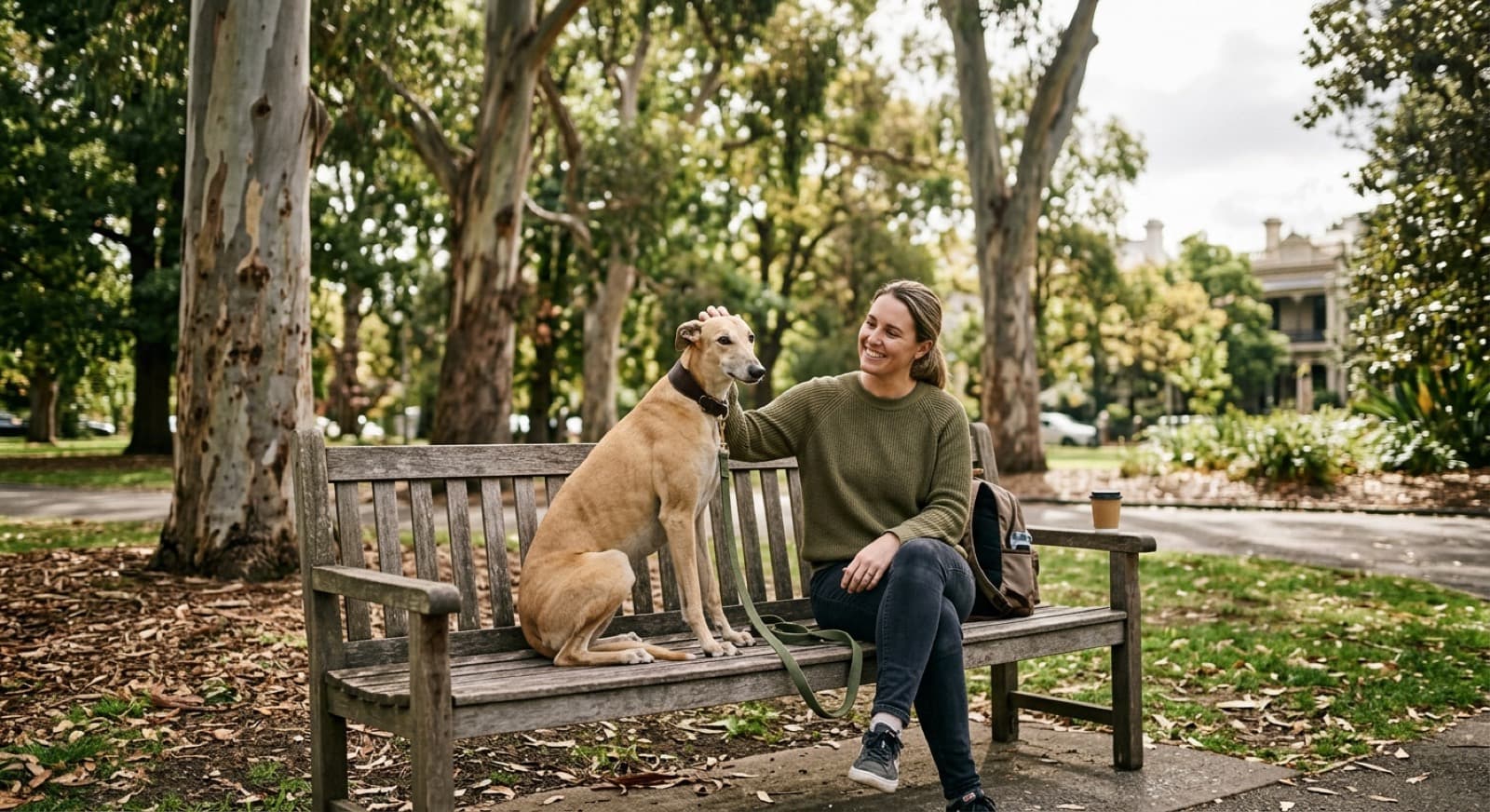
Greyhounds are one of the best big dogs to adopt in Auckland, and right now there are more of them than ever: racing ended on 1 August 2026 and around 1,300 retired racers need homes. The main pathway is Greyhounds As Pets (the Greyhound Adoption Programme Trust, charity CC22080), which fosters and assesses each dog, including around cats, so you get a known temperament; the SPCA Greyhound Rehoming Project, SPCA New Zealand's Auckland centres at Māngere and Hobsonville, and foster rescues such as Saving Hope Foundation and PAWS Restart list them too. An adult greyhound costs $149 to adopt at the SPCA with desexing, microchipping and vaccination done; Greyhounds As Pets and the foster rescues show their own fee on each listing. Muzzling in public is a racing-industry habit, not a general legal requirement for a pet greyhound in New Zealand, and the breed is not restricted. They are calm, low-exercise couch dogs that suit apartment living, feel the Auckland humidity and the wet winter through a thin coat, and have a sighthound prey drive, so cat-testing matters.
Why greyhounds end up in New Zealand rescue
Greyhounds are unusual among breeds because they reach rescue for one overwhelming reason that has nothing to do with the dog's temperament: the racing industry. In New Zealand that reason has just become historic.
The end of racing. The Government announced the closure of commercial greyhound racing on 10 December 2024, giving the industry a roughly 20-month wind-down. The closure bill passed its third reading on 2 April 2026, and racing ended on 1 August 2026. A Greyhound Racing Transition Agency was created to oversee the wind-down and the rehoming of the dogs, and it expects around 1,300 greyhounds to need homes. That is a once-in-a-generation wave of sound, adoptable dogs arriving over a short period, and it is why every rehoming agency is asking for adopters now.
Unfamiliar with pet life, not damaged. A kennel-raised racing greyhound may never have climbed stairs, met a glass door, or lived inside a house, so it needs a short settling-in period to learn pet life. This is a gentle learning curve, not a behaviour problem, and most greyhounds adapt to home life remarkably fast. A retired racer is typically two to five years old with years of calm companionship ahead of it.
What this means for you. A rescue greyhound is rarely a problem dog. It is usually a calm, affectionate adult that simply needs a couch, a routine and a little patience while it learns what a home is. For the right adopter it is one of the easiest big-dog adoptions there is, and adopting one now helps clear the wave.
Where to adopt a greyhound in Auckland
Greyhounds are plentiful, so you have real choice. Lead with the dedicated programmes and add the general rescues. For a fuller directory, see our Auckland adoption resources hub.
1. Greyhounds As Pets (GAP)
The national programme for rehoming greyhounds leaving the racing industry, run by the Greyhound Adoption Programme Trust, a registered charity (CC22080). It fosters and assesses each dog before adoption, including around cats and small animals, and hands over a dog that is already desexed, vaccinated and microchipped. The fee is set by the programme and shown with each dog. Apply through gap.org.nz and meet the available dogs.
2. SPCA New Zealand and the Greyhound Rehoming Project
The SPCA runs a dedicated Greyhound Rehoming Project for dogs leaving racing and asks prospective adopters to register and be patient while each dog is matched to a lifestyle, household and routine; some greyhounds need help adjusting to everyday life. Greyhounds also come through SPCA New Zealand's Auckland Centre at Māngere (50 Westney Road, open daily, adoptions by appointment through its online application) and its other Auckland centre at Hobsonville. Every SPCA dog is desexed, microchipped and vaccinated before adoption, the fee is the same at every centre, and the Dog Control Act requires the SPCA to register the dog before it goes home with you. Browse at spca.nz/adopt.
3. Auckland foster-based rescues and the council shelters
Saving Hope Foundation is an Auckland no-kill dog rescue whose dogs live in foster homes across the city, with each listing naming the suburb, at savinghope.co.nz, and PAWS Restart is a smaller registered Auckland charity (CC61702) rehoming dogs through foster care at pawsrestart.org.nz. Because a fostered greyhound has lived in a home, the notes on its house training, cat-safety and behaviour with children and other dogs tend to be detailed and honest, which is exactly what you need to match the right retired racer to your home. Unclaimed impounded dogs can also be rehomed through the Auckland Council animal shelters.
Be wary of any group that asks for money before you have confirmed a real address, a current adoptable-dog list and charitable status. Browse the current greyhounds on the Auckland greyhound listings.
What a greyhound costs: adopt versus buy
The economics of greyhound adoption are firmly in your favour. At SPCA New Zealand the fee is the same at every centre: $149 for a dog aged five months to eight years, which covers almost every retired racer, $399 for a puppy under five months and $75 for a senior of nine or more, plus a $2.50 service charge, with desexing, microchipping and vaccination already done. Greyhounds As Pets and the foster-based rescues set their own fee and show it on each listing. Either way, the fee covers only a fraction of the vet work and the temperament and cat assessment already done.
Buying a greyhound from a breeder makes little sense when so many sound, assessed retired racers need homes, and it would cost several thousand dollars. Ongoing, a greyhound is cheaper than most big dogs to keep: a calm retired racer eats and exercises less than you would expect for its size. Budget for year-round flea and worm prevention, because both stay active in Auckland's mild climate, a warm coat for the wet winter and shade for the humid summer, soft bedding for a thin-skinned dog, and pet insurance. Council registration under the Dog Control Act 1996 is an annual fee set by Auckland Council, markedly cheaper for a desexed dog, cheaper again with a Responsible Dog Owner Licence, and cheaper if you pay before 1 August.
Greyhounds and the New Zealand rules: the muzzle question
The greyhound is not a restricted breed in New Zealand. Schedule 4 of the Dog Control Act 1996 lists the Brazilian Fila, Dogo Argentino, Japanese Tosa, Perro de Presa Canario and the American Pit Bull Terrier type, which must be classified as menacing, and the greyhound is not among them. The question people ask most is about muzzles, because racing greyhounds are so often pictured wearing one. Muzzling in public is a habit carried over from the racing industry, not a general legal requirement for pet greyhounds in New Zealand. A rehoming agency may suggest a muzzle for an individual dog while it settles or around small animals, and a council can impose conditions on a specific dog it has classified, so follow the advice that comes with your dog rather than assuming a blanket rule either way.
Beyond that, a greyhound follows the normal rules. Every dog older than three months must be registered with the council for the current registration year, a dog registered for the first time must be microchipped within two months of that registration, and when a dog changes hands both the old owner and the new owner must tell the council in writing within 14 days. Auckland Council sets its own fees, markedly cheaper for a desexed dog and cheaper again with a Responsible Dog Owner Licence; check the current figures on the Auckland Council registration page, and remember the SPCA must register a dog before it rehomes it. Dogs in Auckland's council-controlled parks and beaches are on-leash by default, you must carry a lead, and off-leash access applies only where a place is listed for it on the council's find where and when you can walk your dog page, with the rules changed on 1 August 2025. Because a greyhound is a sighthound with a prey drive, treat it as an on-lead dog in public regardless, and let it sprint only in a fully fenced area.
Browse adoptable greyhounds in Auckland
Retired racers are plentiful, calm and assessed before adoption. Browse live New Zealand listings and set an alert so you hear when a cat-friendly or family-suitable greyhound comes in.
See Available Greyhounds →If you have been searching “greyhound for sale Auckland”
For greyhounds, adoption is clearly the sensible route, and buying barely makes sense. Retired racers are plentiful, already desexed, vaccinated, microchipped and temperament-tested including around cats, and the adoption fee is low, far below almost any private sale. You also get a dog whose behaviour has actually been assessed rather than a gamble. A greyhound advertised privately or free online has usually had none of that assessment or vet work done, so a rehomed dog with a full workup already completed is both cheaper and safer. New Zealand has no national breeder register, so there is no breeder number to check: see any dog at the seller's property, get the microchip number and vaccination record in writing, and never pay a deposit or a transport fee for a dog you have not met. A cheap or free greyhound on Trade Me or Facebook with a story about being out of town is the classic setup. The SPCA's Greyhound Rehoming Project page has good general guidance on adopting a greyhound.
Is a greyhound right for you?
A greyhound suits more households than people expect, including first-time big-dog owners and apartment dwellers, because it is calm, quiet, affectionate and genuinely low-exercise, happy with a couple of short walks and a soft couch. It fits an Auckland apartment or a home under a body corporate well, provided pets are allowed and it gets its walks. The honest caveats are the sighthound prey drive, which is why you adopt a cat-tested dog if you have small animals and keep it on lead in public, and the thin coat, which means it feels the humid summer and the wet winter chill and needs shade, water and a coat accordingly. It also needs soft bedding, as a lean dog gets pressure sores on hard floors. If that fits your life, a retired racer is one of the most undemanding, loving big dogs there is, and there has never been a better moment to take one on.
Settling in a retired racer
Most of the work with a greyhound is the first few weeks, while a kennel-raised dog learns house life. Expect to teach it stairs, glass doors, slippery floors and being left alone calmly, all of which come quickly with patience and routine. A foster-to-adopt trial, which some greyhound programmes offer, is a great way to confirm the fit and to show a landlord a settled, quiet dog. The rescue or programme will guide the cat and small-animal introductions if that applies. Dry the dog off after a wet Auckland walk, give it a coat on cold mornings, and if something goes wrong after hours, Animal Emergency at VSA runs two 24-hour hospitals, at Sylvia Park in Mt Wellington and in Henderson. Within a month most retired racers are doing what they do best: sleeping eighteen hours a day and leaning affectionately on their people.
Frequently Asked Questions
Where can I adopt a greyhound near me in Auckland?
Almost every adoptable greyhound in New Zealand is a retired racing dog, and there are more of them than ever, because commercial greyhound racing ended on 1 August 2026 and around 1,300 dogs are leaving the industry. The main pathway is Greyhounds As Pets (the Greyhound Adoption Programme Trust, registered charity CC22080), the national programme that fosters and assesses dogs leaving racing, including cat testing, before adoption. The SPCA runs a Greyhound Rehoming Project alongside it and asks prospective adopters to register and be patient, and greyhounds also come through SPCA New Zealand's Auckland centres at Māngere and Hobsonville and the foster-based Auckland rescues Saving Hope Foundation and PAWS Restart. Register your interest, be application-ready, and never send money before you have confirmed a real, registered rescue.
Why do greyhounds end up in rescue?
Almost entirely because of the racing industry rather than any behaviour problem, and in New Zealand that story has just reached its end. The Government announced the closure of commercial greyhound racing on 10 December 2024, the closure bill passed on 2 April 2026, and racing ended on 1 August 2026. A Greyhound Racing Transition Agency oversees the wind-down and expects around 1,300 greyhounds to need homes, which is why rehoming agencies are asking for adopters now. The dogs are typically calm, gentle and sound, just unfamiliar with pet life, so a retired racer is one of the easiest big dogs to adopt. Many have never climbed stairs or seen a glass door, but they learn house life quickly.
How much does it cost to adopt a greyhound versus buy one?
Adoption is both cheap and the sensible route for this breed. At SPCA New Zealand the fee is the same at every centre: $149 for a dog aged five months to eight years, which covers almost every retired racer, $399 for a puppy under five months and $75 for a senior of nine or more, plus a $2.50 service charge, with desexing, microchipping and vaccination already done. Greyhounds As Pets and the foster-based rescues set their own fee and show it on each listing, and whichever route you take the fee covers only a fraction of the vet work and assessment already done. Buying a greyhound puppy from a breeder would cost several thousand dollars and makes little sense when so many assessed adults need homes. Greyhounds are also cheaper than most big dogs to keep, because a calm retired racer eats less and exercises less than you would expect for its size. Keep up year-round flea and worm prevention and pet insurance.
Do greyhounds have to be muzzled in New Zealand?
Not as a general rule. Muzzling in public is a habit carried over from the racing industry, where dogs were muzzled on the track and in kennels, rather than a general legal requirement for pet greyhounds in New Zealand. The Dog Control Act 1996 applies to a greyhound exactly as it does to any other dog: it must be registered, microchipped and under control, on a lead wherever the council has not listed a place as off-leash. A rehoming agency may suggest a muzzle for an individual dog while it settles or around small animals, and a council can impose conditions on a specific dog it has classified, so follow the advice that comes with your dog rather than assuming a blanket rule either way.
Are greyhounds good with cats and small dogs?
It depends on the individual dog, which is exactly why the assessment matters. Greyhounds are sighthounds with a prey drive, and some have a strong one while others are relaxed around cats and small animals. Greyhounds As Pets, the SPCA and good foster rescues assess each dog around cats and small animals and will tell you honestly whether a given greyhound is cat-friendly, cat-trainable or not suitable with cats. If you have a cat or a small dog, adopt a greyhound that has been assessed as safe with them, and follow the rescue's introduction advice. On lead in public is wise for any sighthound.
Do greyhounds need a lot of exercise?
Far less than most people expect, which is one of the breed's great surprises. A greyhound is a sprinter, not a marathoner: it enjoys a couple of short walks and the odd chance to stretch out in a safe, fenced area, but then it is a committed couch dog that sleeps much of the day. That makes a retired racer a genuinely good match for an apartment or a home under a body corporate, provided it gets its daily walks. They do feel the Auckland weather at both ends: a thin coat means they can overheat on a humid summer day and feel the cold on a wet winter morning, so provide shade and water in the heat and a coat in winter.
Are greyhounds a restricted breed in New Zealand?
No. The greyhound is not a restricted breed in New Zealand. Schedule 4 of the Dog Control Act 1996 lists the Brazilian Fila, Dogo Argentino, Japanese Tosa, Perro de Presa Canario and the American Pit Bull Terrier type, which must be classified as menacing, and the greyhound is not among them. Like any dog, a greyhound must be registered with the council once it is older than three months, microchipped within two months of its first registration, and Auckland Council charges markedly less for a desexed dog, which every rehomed racer already is. Check the current fees on the Auckland Council registration page.
Should I adopt an adult greyhound or a puppy?
With greyhounds the question barely arises, because almost every adoptable greyhound is a retired racer aged roughly two to five, and that is a feature rather than a limitation. You get a calm, sound, already-desexed adult whose temperament and cat-safety have been assessed, which takes most of the guesswork out of the adoption. Puppies are rare in greyhound rescue, and with racing over there will be no new racing litters to feed the pipeline. An assessed adult retired racer is both the realistic and the easiest choice.
Keep reading
Adoptable Greyhounds in Auckland
Live listings of retired racing greyhounds across Auckland and New Zealand rescues.
Greyhound Breed Guide
The sighthound temperament, prey drive, exercise needs, health and what a retired racer needs day to day.
The Best Dog Rescues in Auckland
SPCA New Zealand, Saving Hope Foundation and PAWS Restart compared: how each works and what the fee covers.
Auckland Adoption Resources
Guides on adopting, costs, council rules and settling a rescue dog in Auckland.