The short answer
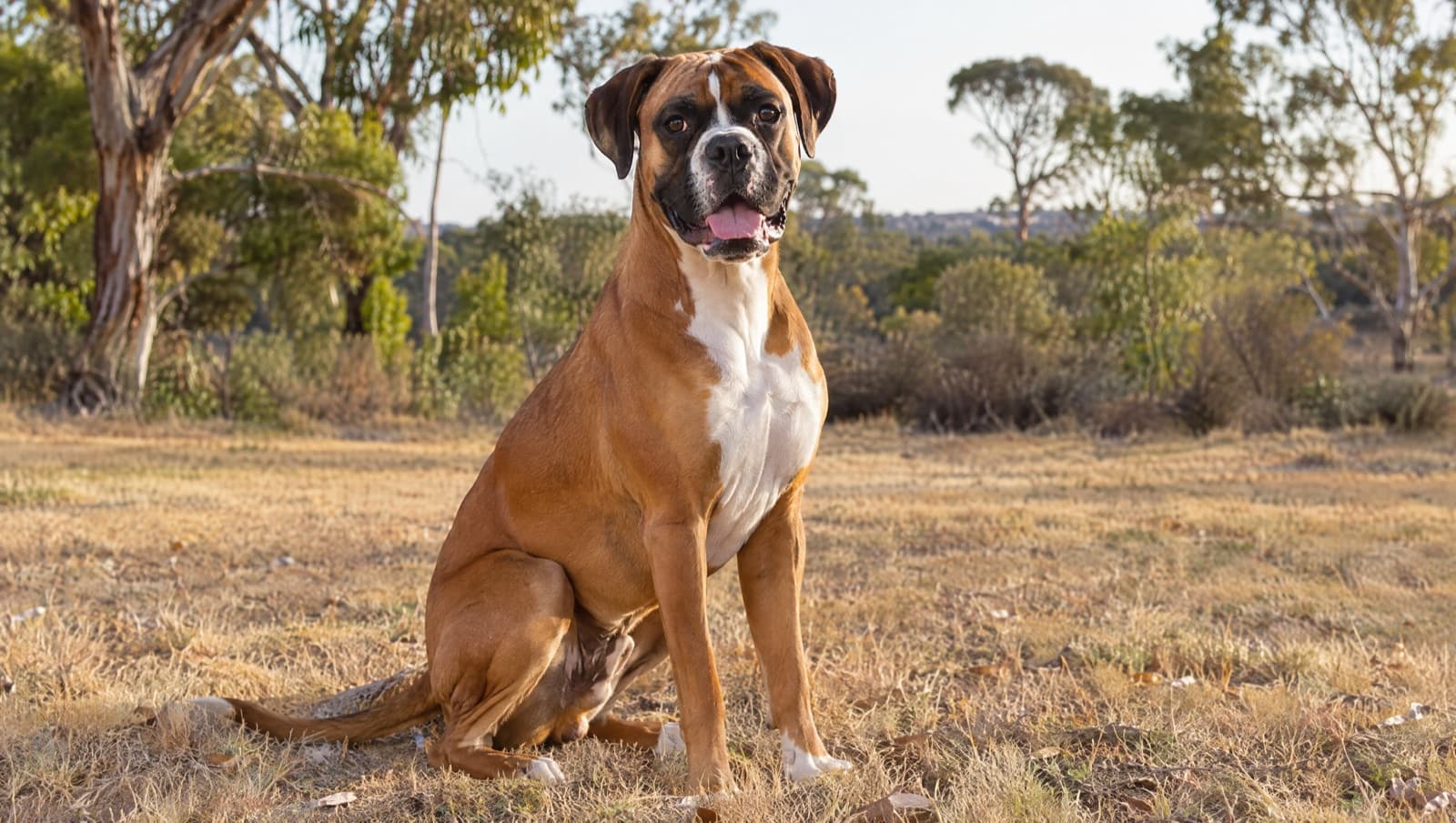
Boxers appear in Auckland rescue regularly through SPCA New Zealand (Auckland centres at Māngere and Hobsonville), foster-based rescues such as Saving Hope Foundation and PAWS Restart, and the Auckland Council animal shelters. An adult Boxer costs $149 to adopt at the SPCA with desexing, microchipping and vaccination done, against several thousand dollars for a breeder pup. Most rescue Boxers are 1 to 7 years old, surrendered for energy underestimation, life changes or unrealistic expectations about the breed's boisterous adolescent stage. White Boxers (around a quarter of litters) have higher deafness rates but are otherwise normal Boxers. The breed needs serious daily exercise (90 minutes minimum), pet insurance from day one (cardiac and cancer conditions are common), and a household ready for a big, affectionate, full-personality dog. New Zealand has no tick that paralyses dogs, but the shorter Boxer muzzle still makes a humid Auckland summer day something to manage.
Why so many Boxers are in New Zealand rescue
Boxers are popular family dogs in New Zealand and that popularity produces a steady pipeline into rescue. Most surrenders are about household mismatch rather than the dog being a bad pet.
Energy and boisterousness underestimation.
A Boxer puppy looks calm and cute in photos. An adolescent Boxer (8 months to 3 years) is a 25 to 35 kg dog that bounces, jumps on people, runs the length of the house at speed, and tries to herd children. Families who bought a Boxer expecting the adult dog to be calm from puppyhood frequently surrender during the adolescent phase. The dog grows into a calmer adult by 3 to 4 years; many families do not last that long.
Physical mismatch with the household.
A 30 kg Boxer adolescent has the strength to drag a teenager on a lead, knock over a toddler with affection, and damage furniture with sheer momentum. Households with young children and physically smaller adopters sometimes find the dog overwhelming once it hits full size, even when the temperament is friendly.
Life changes.
Divorce, illness, new babies, moves across the country or overseas, and elderly owners who can no longer handle a large active dog all account for adult Boxer surrenders. These dogs are typically well-loved, well-trained, vaccinated, and looking for a calm second home.
Where to actually look in Auckland
Several pathways to a rescue Boxer in New Zealand:
- SPCA New Zealand. The country's oldest and largest animal welfare charity runs the Auckland Centre at Māngere (50 Westney Road, open daily, adoptions by appointment through its online application) alongside its other Auckland centre at Hobsonville, and Boxers and Boxer crosses come through regularly. Every SPCA dog is desexed, microchipped and vaccinated before adoption, the fee is the same at every centre, and the Dog Control Act requires the SPCA to register the dog before it goes home with you. Browse at spca.nz/adopt.
- Saving Hope Foundation. An Auckland no-kill dog rescue whose dogs live in foster homes across the city, with each listing naming the suburb. A foster carer who has lived with a Boxer for weeks can describe temperament, energy, kid compatibility and any health issues in detail, which is exactly what you need with this breed. Listings at savinghope.co.nz.
- PAWS Restart. A smaller registered Auckland charity (CC61702) that rehomes dogs through foster care. Smaller rescues see fewer Boxers at any one time, but the matching is careful and the carer notes are detailed. Find them at pawsrestart.org.nz.
- Auckland Council animal shelters. Impounded dogs that are not claimed can be rehomed through the council, and big, bouncy young dogs are a regular part of that intake, so it is worth checking the council's dogs and animals pages as well as the charities above.
The honest cost comparison
The math favours rescue substantially. Real first-year costs in Auckland:
| First-year cost | Rescue Boxer | Breeder Boxer |
|---|---|---|
| Adoption fee or purchase price | $149 adult or $399 puppy at the SPCA (plus a $2.50 service charge) | Several thousand dollars |
| Desexing | Included | $400 to $700 |
| Microchipping | Included | Paid separately |
| First-year vaccinations | Included | $250 to $400 |
| Initial vet check | Included | $100 to $200 |
| Council registration (reduced fee if desexed and microchipped) | Set by Auckland Council (cheaper for a desexed dog) | Set by Auckland Council (cheaper for a desexed dog) |
| Year 1 food (large breed) | Well over a thousand dollars for a big, active dog | Well over a thousand dollars for a big, active dog |
| Parasite prevention (flea, worm, heartworm) | $300 to $550 | $300 to $550 |
| Initial gear (large bed, lead, crate, bowls) | $400 to $700 | $400 to $700 |
| Reward-based training class | $200 to $400 | $200 to $400 |
| Pet insurance (genuinely recommended) | $900 to $1,500 | $900 to $1,500 |
| Year 1 total (excluding council fee) | The adoption fee plus the everyday costs above | Several thousand dollars more, with the vet work still to pay |
Rescue saves several thousand dollars in year one, and the ongoing costs are identical. Pet insurance for Boxers is genuinely worth it; the breed faces elevated cardiac and cancer risks covered in our Boxer breed guide.
Browse Boxers available in Auckland rescue
Live listings from Auckland shelters and New Zealand rescues. Foster carer notes describe each dog's energy, manners and family fit before you apply.
See Available Boxers →White Boxers and the deafness question
Around a quarter of Boxer litters produce white-coated puppies. The white coat is caused by an extreme version of the same gene that produces flashy markings in standard Boxers. The genetic link with deafness is well-documented: roughly a fifth of white Boxers are deaf in one or both ears, against only a small fraction of standard-coloured Boxers.
Historical context worth knowing: white Boxer puppies were routinely euthanised by some breeders for much of the 20th century because they did not meet the show standard. The practice has largely ended, but a generational legacy of mistrust around white Boxers persists.
The practical reality of adopting a white Boxer:
- Most white Boxers hear normally. If roughly a fifth are deaf, the great majority have normal hearing. Listings note any known hearing issues.
- Partially or fully deaf Boxers can be wonderful pets. Reward-based training using hand signals works very well. Deaf dogs are typically more visually responsive to their owners.
- Sun protection matters. White Boxers are prone to sunburn and skin cancer on areas with thin coat (nose, ears, belly). In New Zealand's strong summer sun, limit midday exposure and use dog-safe sunscreen on exposed areas.
- Otherwise normal Boxers. White Boxers have the same temperament, energy, family-loving personality and breed-specific health risks as standard Boxers.
Many rescues specifically advocate for white Boxer adoption. If the white coat or partial deafness is the only thing standing between you and a wonderful dog, neither is a strong reason to walk away.
What to expect from a rescue Boxer
A typical Auckland rescue Boxer is:
- 1 to 7 years old. Adolescents and young adults (1 to 3) are the most common age bracket from energy-underestimation surrenders.
- 25 to 35 kg adult weight. Males tend toward the heavier end; females toward the lower.
- Mostly house-trained. Some need refreshing for the new home routine.
- Lead-trained with variable manners. Many adolescent Boxers pull on lead; reward-based training fixes this within weeks.
- Friendly with people. Most rescue Boxers are confident and sociable. Reactive Boxers are flagged in listings.
- Variable with other dogs. Many Boxers are social with other dogs but some are dog-selective or dog-reactive, particularly with same-sex dogs. The foster carer notes describe each dog's actual behaviour.
- Goofy and clownish personality. The defining Boxer trait. Even rescue dogs with hard backgrounds usually retain the breed's playful character.
The first two weeks home are usually quiet as the dog decompresses, then the real Boxer personality emerges. The 3-3-3 rule applies: three days to decompress, three weeks to start showing personality, three months to fully settle.
The first week home: a realistic plan
Day 1:
- Bring the dog home during daylight hours
- Show them their bed, food and water area immediately
- Boxer-proof the space: counter-surfing is a real issue, food off accessible surfaces, bin lid that closes
- Skip introductions to extended family
- Calm short walk in the neighbourhood in the cool of the late afternoon or early evening
Days 2 to 3:
- Two walks daily in the cooler hours, 20 to 40 minutes each
- Establish meal routine with measured portions
- Begin basic reward-based training (name response, sit, basic recall on lead)
- Introduce a slow-feeder bowl (Boxers gulp food; bloat risk reduction)
Days 4 to 7:
- Longer walks (30 to 45 minutes) morning and evening; some off-lead time at a fully fenced Auckland off-leash park
- First vet visit; baseline weight, cardiac listen, joint check, year-round flea and worm prevention started
- Begin building alone-time pattern (5 to 30 minutes initially)
- Introduce gradually to other family members and family dogs
Weeks 2 to 4:
- Build the exercise routine toward 90 minutes daily, split across a cool morning and evening
- Enrol in a reward-based training class; Boxers love training when it is fun
- Add mental work (puzzle feeders, scent games, training sessions)
- Personality fully emerges by week 4
Boxers and Auckland living
Boxers suit Auckland well for active households. Practical considerations:
- House and yard. A Boxer is happiest with a small to medium yard and easy outdoor access. Units can work but only with serious daily off-property exercise and shade and airflow indoors through the day.
- The humid summer. The shortened Boxer muzzle (mildly brachycephalic) means they overheat faster than longer-nosed breeds, and while Auckland summers are mild rather than extreme, the humidity makes panting less effective. Walk in the cool hours and keep a fan or airflow going through the warmest part of the day.
- Exercise venues. A fenced Auckland off-leash park, a shaded waterside path, or a dog-friendly beach section all work well. Boxers love play and benefit from off-leash time at a well-fenced dog park in the early morning before the day warms up.
- Off-leash areas. Auckland Council lists every off-leash park and beach section, with the times that apply, on its find where and when you can walk your dog page, and a fully fenced park is the safe place to let a strong, bouncy Boxer run loose. The default everywhere else is on-leash with a lead in hand, and the rules changed in August 2025, so check before you go.
- Swimming. Many Boxers love water, and a supervised swim is excellent low-impact exercise in summer. Boxers are not the strongest swimmers, so supervise carefully and avoid deep water.
- Rentals and body corporates. Plenty of Auckland homes are rented or sit under a body corporate, and approval is usually required regardless of breed; get it in writing before adopting.
Auckland weather, the short muzzle and the kauri rule
Auckland is where this guide parts company with the hot-climate version, mostly in good ways. New Zealand has no tick that paralyses dogs, so the year-round tick emergency that shapes a Boxer's life in a hot subtropical city simply does not apply here. What Auckland has instead is a mild, humid, often wet climate, and for a short-muzzled athlete that changes the routine in smaller ways.
Humidity and breathing. Auckland summers are warm and sticky rather than extreme, but a shorter muzzle makes panting less efficient, and panting works poorly in humid air to begin with, so exercise in the cool of the morning and evening, keep water up, never leave a dog in a parked car, and watch for laboured or noisy breathing on warm days. Winters are mild and wet, which a short-coated Boxer handles fine, though a towel-dry after a rainy walk and a warm bed keep an older dog comfortable. Fleas and intestinal worms stay active most of the year in a mild climate, so keep prevention continuous rather than seasonal, and ask your vet about heartworm risk for your area.
Where you can walk, and the kauri rule. Dogs in Auckland's council-controlled parks and beaches are on-leash by default, you must carry a lead, and off-leash access applies only where a place is listed for it, often with time-of-day or seasonal limits at beaches. The regional rules changed on 1 August 2025, so check the council's find where and when you can walk your dog page before you try a new beach. Large sections of the Waitākere Ranges are closed to stop the spread of kauri dieback, and some regional-park beaches prohibit dogs in part, so a west-coast bush walk with a Boxer needs planning rather than assuming. If something goes wrong after hours, Animal Emergency at VSA runs two 24-hour hospitals, at Sylvia Park in Mt Wellington and in Henderson, so know the route before you need it.
Registering your Boxer in Auckland, and avoiding scams
Council registration is a separate legal step from the adoption. New Zealand's dog law is the Dog Control Act 1996. Every dog older than three months must be registered with the council for the current registration year, a dog registered for the first time must be microchipped within two months of that registration, and when a dog changes hands both the old owner and the new owner must tell the council in writing within 14 days. Auckland Council sets its own fees: a desexed dog is markedly cheaper than an entire one, a Responsible Dog Owner Licence cuts the fee again, and paying before 1 August avoids the late rate, so a rescue Boxer, already desexed and microchipped, registers at the low end. Check the current figures on the Auckland Council registration page, and remember the SPCA must register a dog before it rehomes it, so an SPCA Boxer arrives already on the books.
On scams, New Zealand has no national breeder register, so there is no breeder number to check. That makes the old rules matter more: see the puppy with its mother at the seller's property, get the microchip number and vaccination record in writing, and never pay a deposit or a transport fee for a dog you have not met. A cheap or free Boxer on Trade Me or Facebook with a story about being out of town is the classic setup. Adopting through the SPCA or a verified Auckland rescue avoids the problem entirely.
If you must buy from a breeder
Sometimes a breeder Boxer is the only path. Responsible breeder principles:
- Visit the puppy and parents in person. See the mother with the litter at the seller's property. With no breeder register in New Zealand, this is your most important safeguard, and breeders who refuse home visits are hiding something.
- Get the microchip and vaccination details in writing. A dog registered for the first time must be microchipped within two months, so a seller who cannot produce a microchip number and a vaccination record is a red flag.
- Confirm health testing. Parent dogs should have current cardiac clearance (Boxer cardiomyopathy is a leading breed concern), hip and elbow scores, and ideally aortic stenosis screening. A breeder unable to produce these is cutting corners.
- Avoid breeders advertising “mini” or “miniature” Boxers. Not a recognised variant; usually a cross with another breed or a runt being marketed at a premium.
- Avoid always-available puppies. Quality Boxer breeders have waiting lists. Constant availability points to commercial breeding without proper rest between litters.
- Expect several thousand dollars. Boxers advertised well below the going rate are usually from backyard breeders or puppy farms.
Frequently Asked Questions
Can you actually find a Boxer in Auckland rescue?
Yes, regularly. Boxers appear in New Zealand rescue through SPCA New Zealand's Auckland centres at Māngere and Hobsonville, through foster-based Auckland rescues such as Saving Hope Foundation and PAWS Restart, and through the Auckland Council animal shelters, which rehome unclaimed impounded dogs. Most are adolescent or adult dogs surrendered for energy underestimation, life changes, or owners not prepared for the breed's boisterous personality. Pure Boxer puppies are uncommon in rescue; adolescents and adults are common. Set an alert and be ready to apply.
Why are so many Boxers in New Zealand rescue?
Three main reasons. First, energy underestimation: people buy a Boxer puppy expecting a calmer dog and discover an adolescent who bounces off the walls. Second, size and strength: a 30 kg Boxer adolescent is physically powerful and can knock over kids, drag handlers, and damage furniture. Third, health awareness: some owners surrender Boxers when they realise the breed-specific vet costs (cardiac monitoring, mast cell tumours). Boxers are wonderful dogs in the right home; the wrong-home problem produces most surrenders.
How much does it cost to adopt a Boxer in Auckland?
At SPCA New Zealand the fee is the same at every centre: $149 for a dog aged five months to eight years, $399 for a puppy under five months and $75 for a senior of nine or more, plus a $2.50 service charge, with desexing, microchipping and vaccination already done. Foster-based rescues set their own fee and show it on each listing. A breeder Boxer puppy in New Zealand costs several thousand dollars before any of that vet work. On top of the adoption fee, budget for Auckland Council registration, which is cheaper for a desexed dog and cheaper again with a Responsible Dog Owner Licence, so a rescue Boxer registers at the lower rate. The adopted dog also comes with an assessed temperament and is usually already lead-trained and house-trained.
Are Boxers good family dogs?
Most Boxers are excellent with their immediate family and tolerant of older children. The breed is famously affectionate and patient with kids they know. The caveat is physical: a young or adolescent Boxer is boisterous and can knock over toddlers without meaning any harm. Older Boxers (4 and up) are usually settled and calmer around young children. Foster carer notes on each rescue listing describe how the specific dog has gone with children.
Are white Boxers different from regular Boxers?
White Boxers, which make up around a quarter of Boxer litters, have a higher rate of deafness, roughly a fifth of them in one or both ears based on most studies. They are otherwise normal Boxers with normal temperaments and health profiles. Deaf or partially deaf Boxers can be wonderful pets with reward-based training using hand signals. In New Zealand's strong summer sun, white Boxers also need more sun protection because pale, thin-coated areas burn easily. Rescue listings will note any known deafness.
Are Boxers good for first-time owners?
Adult Boxers (4 years and up), often yes. Adolescent Boxers (8 months to 3 years), often no. The breed is friendly and trainable, which helps first-timers, but a young Boxer is physically strong, high-energy, and needs serious daily exercise. An older settled Boxer from rescue is a reasonable first dog for a committed owner. A 14-month-old high-drive Boxer is a stretch for any first-time owner, and on a humid Auckland summer day that energy has to be managed around the cooler hours.
Keep reading
Adoptable Boxers in Auckland
Live listings with foster carer notes on energy and family fit.
Boxer Breed Guide
The breed guide: cancer, the heart conditions Boxers are known for, hips, thyroid, bloat and the breathing limits of a short muzzle.
The Best Dog Rescues in Auckland
SPCA New Zealand, Saving Hope Foundation and PAWS Restart compared: how each works and what the fee covers.
Auckland Adoption Resources
Guides on adopting, costs, council rules and settling a rescue dog in Auckland.