The short answer
Yes, you can adopt a British Shorthair in Auckland, but be patient: purebreds are rare in rescue and crosses come up more often. Watch SPCA New Zealand's Auckland centres, The Lonely Miaow Association and Paw Kitties, and set alerts. At the SPCA, adoption costs $149 for a cat or $299 for a kitten, with desexing, microchipping and vaccination done. The breed's calm, independent nature makes it one of the easiest cats to keep happily indoors.
What a British Shorthair actually is
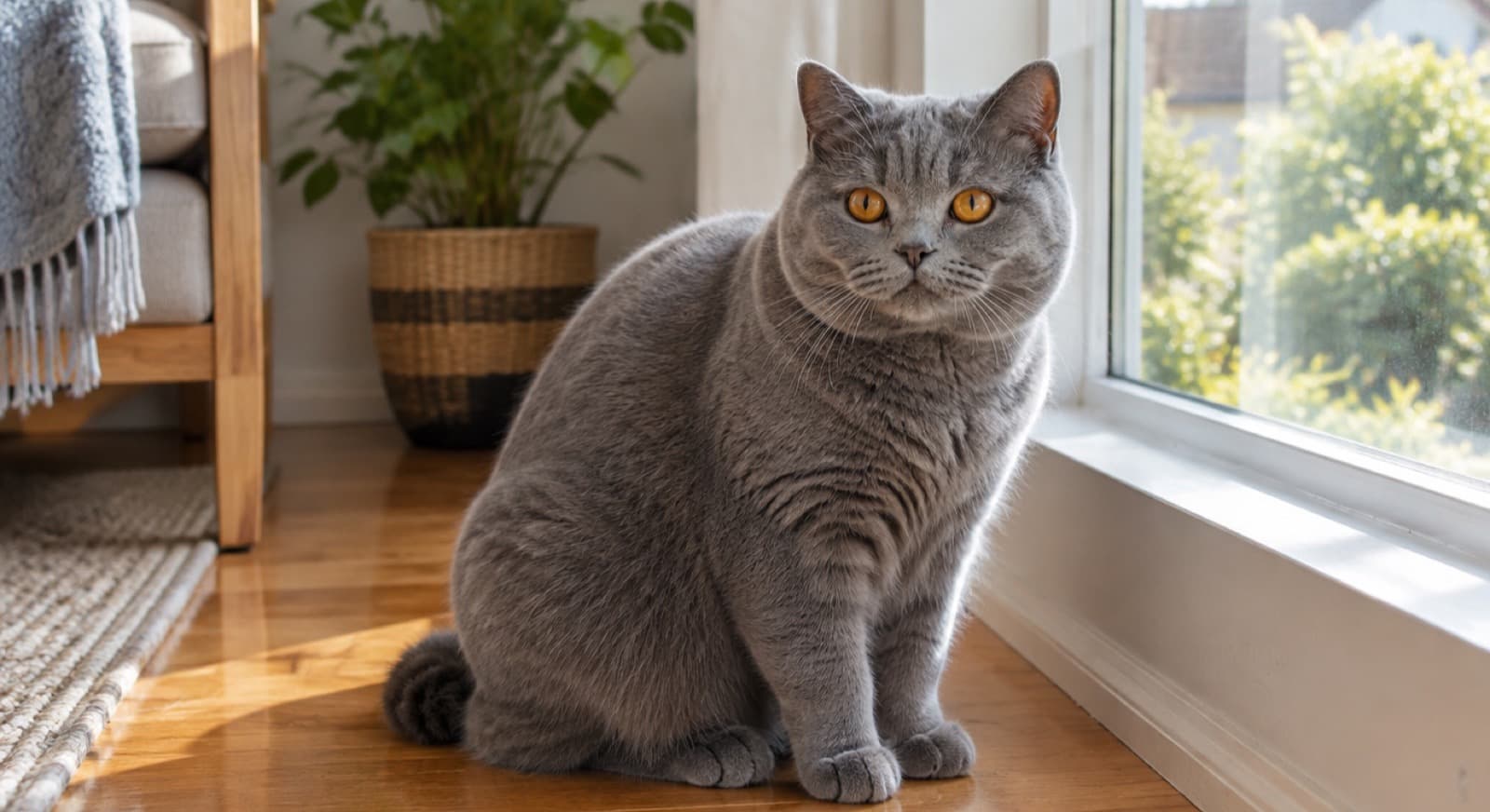
A British Shorthair is a sturdy, round-faced pedigree cat with a dense, plush coat people often compare to a teddy bear. It is a medium to large breed with a broad chest, thick legs and full cheeks. The classic look is the grey-blue “British Blue” with copper eyes, though the breed comes in many colours and patterns.
Temperament is the draw. British Shorthairs are calm, easy-going and independent, affectionate on their own terms rather than clingy, and happy to sit near you without being carried around. That placid nature suits settled homes and children who handle cats gently. They also love food and put on weight easily, so portion control matters from day one. For the breed profile and any listed now, see the British Shorthair breed page for Auckland.
Why British Shorthairs are rare in rescue
Purebred British Shorthairs are scarce in Auckland rescue because nearly every owner bought theirs from a breeder, so few ever enter the system. Across the Auckland rescues we aggregate, most cats listed are domestic shorthairs, the everyday moggy, and a British Shorthair is the exception.
When one does come in, it is rarely the cat's fault. The usual story is a life change such as a move to a rental that will not take pets, a new baby, illness or an overseas move. Some were bought for their looks by people who underestimated the care or the tendency to gain weight. None of that reflects on the cat, which is usually as placid as ever.
Crosses are the realistic target. A BSH cross, where the breed has mixed with a domestic cat somewhere in its line, appears far more often than a purebred and carries much of the round face, plush coat and easy temperament. If you want the personality rather than the papers, a cross is easier to find and often the better adoption.
Where to adopt a British Shorthair or cross in Auckland
Because the breed is scarce, watch several rescues at once, set alerts and be ready to apply the day one appears. These are the main cat rescues in Auckland:
SPCA New Zealand (Māngere and Hobsonville)
New Zealand's oldest and largest animal welfare charity runs Auckland centres at Māngere and Hobsonville. Adoptions are by appointment after you register to adopt, and the fee is the same at every centre. The Māngere centre at 50 Westney Road is open 10am to 4pm every day. See current cats at spca.nz.
The Lonely Miaow Association
A registered charity based at Red Beach on the Hibiscus Coast that rescues and rehomes stray cats across Greater Auckland. Every cat is raised in a foster home, so the carer can tell you how it behaves in a normal household, which helps when you want a calm indoor cat. It does not publish a flat fee, so check each listing at lonelymiaow.co.nz.
Paw Kitties
A registered charitable trust that cares for, desexes and rehomes stray cats, working mainly in Mt Wellington, Glen Innes and Point England. It is a smaller, cat-only charity whose listings are worth a regular look. Its charity details are on the Charities Register.
We cannot verify an active British Shorthair specific rescue serving Auckland, so keep your search on the rescues above. For how each one works, see the best cat rescues in Auckland.
What it costs: adopt versus buy
SPCA New Zealand charges the same for a British Shorthair as for any cat, at every centre:
- Kitten under 5 months: $299.
- Cat from 5 months to 9 years: $149.
- Senior cat, 10 years and over: $75.
- What the fee covers: desexing, microchipping and vaccination, plus a $15 lifetime registration on the New Zealand Companion Animal Register. A $2.50 service charge is added to every adoption.
The SPCA also takes 30% off for cats that have waited more than 42 days and 15% off when you adopt more than one, though the two discounts cannot be combined (SPCA adoption fees). A purebred British Shorthair kitten from a breeder usually costs several times the SPCA fee, and you then pay for desexing and vaccinations yourself. Budget for quality food in measured portions, litter, annual vet checks and year-round flea and worm control in Auckland's mild climate.
If you have been searching “British Shorthair for sale Auckland”
Many people land here after searching for a kitten to buy. Pause first. Pedigree kittens are a favourite scam listing, because buyers will pay a lot for a kitten they have only seen in photos. Treat any Trade Me or social media ad that asks for a deposit or transport fee before you meet the kitten as a red flag.
Meet the kitten and its mother in person, ask for vet records, and walk away from a price that looks too good to be true. Adoption removes most of that risk: an established rescue, a cat you meet, and a modest fee for an animal that is already desexed and microchipped.
Why the British Shorthair suits indoor life
This is one of the breed's big advantages. British Shorthairs are quiet and independent, content to nap, potter about and watch from a window, so they do not need a garden to be happy. That makes them one of the better breeds for apartments and indoor living. An indoor life, or contained outdoor access through a catio or harness walks, also keeps them away from Auckland traffic and cat fights, and keeps native birds safe.
Unlike much of eastern Australia, New Zealand has no paralysis tick, but fleas and worms stay active all year in Auckland's mild climate. Give an indoor British Shorthair climbing space, scratching posts and daily play, which also helps keep its weight in check. If your cat is ever injured or suddenly unwell after hours, Animal Emergency runs two 24-hour hospitals at VSA Sylvia Park and VSA Auckland West, so call ahead on the way. Browse indoor cats for adoption in Auckland for more calm candidates.
Health, blood type and allergies, in brief
Like many pedigree breeds, British Shorthairs carry some inherited conditions, and their appetite makes weight a real health issue rather than a cosmetic one. One fact worth knowing: over 30% of British Shorthairs have type B blood, against type A in most cats, according to dvm360. In practice, your vet blood-types the cat before any transfusion, so mention the breed at your first visit.
One myth to clear up: the dense coat does not make a British Shorthair hypoallergenic. No cat breed is, because the main allergen comes from every cat's skin and sticks to dander around the home. The only reliable test is time with the specific cat before you commit.
Microchips and cat law in Auckland
No national law requires pet cats to be microchipped in New Zealand yet. A Cat Management Bill covering microchipping and registration is going through Parliament, and the SPCA tracks its progress. Auckland Council is not among the councils listed as having a cat bylaw. A rescue cat comes desexed and microchipped regardless, and SPCA adoptions include registration on the New Zealand Companion Animal Register.
Browse adoptable British Shorthairs in Auckland
British Shorthairs and crosses are rare in rescue, so check the live listings and set an alert. See what is available now across Auckland rescues.
See Available British Shorthairs →Choosing your British Shorthair
When a British Shorthair or cross comes up, three things make the match work. First, consider an adult, because a foster carer can tell you exactly what an adult is like, and the breed stays placid at every age. Second, read the foster notes over the photo, since behaviour with children, dogs and handling predicts fit better than looks. Third, stay open to a cross, which gives you the temperament that matters and is what Auckland rescue most often has.
Frequently Asked Questions
Where can I adopt a British Shorthair near me in Auckland?
Watch Auckland's cat rescues and set alerts, because British Shorthairs appear rarely and go quickly. SPCA New Zealand has Auckland centres at Māngere and Hobsonville, and The Lonely Miaow Association and Paw Kitties rehome rescued cats across the region. A BSH cross is far more likely to turn up than a purebred. Ask each rescue to flag you if one comes in, and have your application ready.
Why are British Shorthairs rare in rescue?
British Shorthairs are rare in rescue because almost every one is bought from a breeder, so very few enter the rescue system. Owners who paid a pedigree price tend to keep their cat, and the ones that are surrendered usually come in after a move, a new baby or illness. Across the Auckland rescues we aggregate, most cats listed are domestic shorthairs. BSH crosses appear more often than purebreds and share much of the calm, plush-coated appeal.
How much does it cost to adopt a British Shorthair versus buy one?
At SPCA New Zealand a British Shorthair costs the same as any cat: $299 for a kitten under 5 months, $149 for a cat from 5 months to 9 years, and $75 for a senior of 10 years and over. Each fee covers desexing, microchipping, vaccination and a $15 lifetime registration on the New Zealand Companion Animal Register, and a $2.50 service charge is added. A purebred kitten from a breeder usually costs several times the SPCA fee, and you then pay for that vet work yourself.
Is there a British Shorthair rescue in Auckland?
We cannot verify a currently active British Shorthair specific rescue serving Auckland. The realistic path is the general Auckland cat rescues, SPCA New Zealand, The Lonely Miaow Association and Paw Kitties, plus alerts so you hear when a British Shorthair or cross comes in. Spreading your search across several rescues gives you a much better chance than waiting on one.
Are British Shorthairs good indoor cats?
Yes, British Shorthairs are one of the better breeds for indoor and apartment life. They are calm, quiet and independent, happy to nap and watch the world rather than demand constant activity. An indoor life or contained outdoor access also protects them from Auckland traffic and keeps native birds safe. Give one vertical space, scratching posts, daily play and a window perch and it will be content.
Are British Shorthairs hypoallergenic?
No. No cat breed is hypoallergenic, and the British Shorthair's dense coat does not change that, because the main allergen comes from every cat's skin and sticks to dander around the home. Individual cats vary, so the only reliable test is time with the specific cat before you adopt.
Do cats need to be microchipped in Auckland?
No national law in New Zealand requires pet cats to be microchipped yet. A Cat Management Bill covering microchipping and registration is before Parliament, and Auckland Council is not among the councils listed as having a cat bylaw. A rescue cat comes desexed and microchipped anyway, and SPCA adoptions include registration on the New Zealand Companion Animal Register.
Should I adopt an adult British Shorthair or a kitten?
An adult British Shorthair or cross is usually the easier choice, because a foster carer or shelter can tell you exactly how it behaves with children, other pets and handling. British Shorthairs are placid at every age, so you lose little by skipping the kitten stage. A kitten needs supervision, kitten-proofing and time while its adult personality forms.
Keep reading
Adoptable British Shorthairs in Auckland
The breed profile and any British Shorthairs or crosses listed across Auckland rescues.
Indoor Cats in Auckland
Calm cats suited to indoor and apartment life, available now across Auckland.
The Best Cat Rescues in Auckland
SPCA New Zealand, The Lonely Miaow Association and Paw Kitties compared.
All Auckland Cat Resources
Guides on adopting a rescue cat in Auckland.