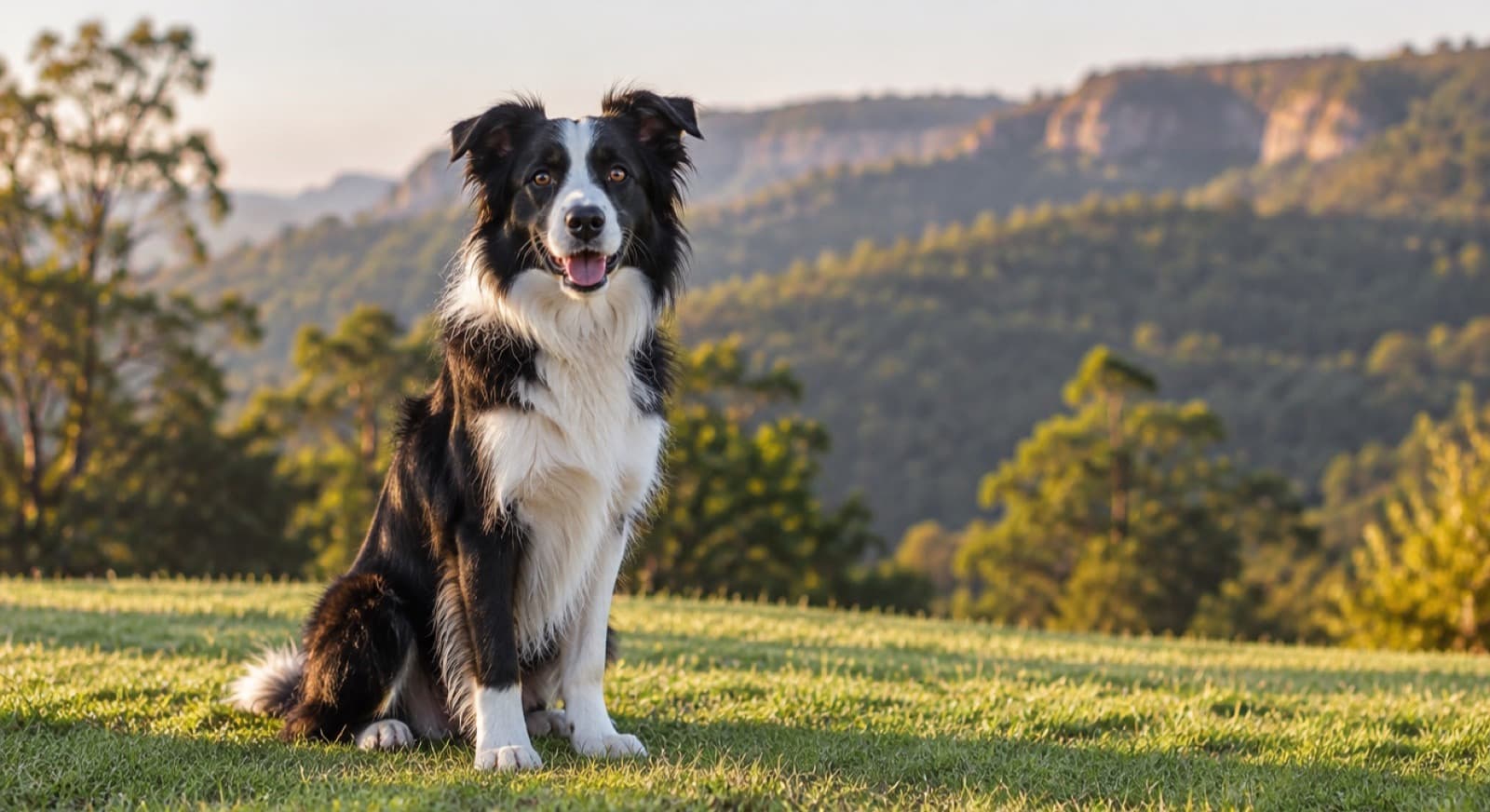
The short answer
Check Wollongong City Council's Find a Pet page, the RSPCA NSW Illawarra Shelter at Unanderra and Shellharbour City Council's dog adoptions. Then look at Border Collie Rescue Australia and Australian Working Dog Rescue, which both list dogs in NSW. RSPCA NSW lists $500 for an adult dog, and other groups set their own fees. Plan for well over an hour of exercise a day plus training or games that work the brain. A secure yard helps a lot.
Why Border Collies end up in rescue
The energy was underestimated.
A Border Collie puppy looks manageable. At around a year old, the same dog is a fit, fast athlete that wants hours of activity and something to think about. Without that outlet, many become destructive or anxious. Most families who reach this point surrender during adolescence, between about six months and two years.
Herding showed up at home.
The herding instinct is built in. A BC may circle running children, nip at heels, or chase bikes, cars and other pets. Training helps a great deal, but it surprises families who did not expect it.
A working dog moved to town.
Some rescue BCs are farm dogs rehomed after a move, a retirement or a death in the family. These dogs are often well trained for stock work and need an experienced, active adopter.
Working line or show line
- Working-line dogs are bred for stock work. They tend to be leaner and more intense, with very high drive. In a pet home they need serious outlets, such as agility, herding classes or scent work.
- Show-line dogs are bred for the show ring and as pets. They are usually stockier with a fuller coat, and a little calmer, though still energetic.
- Crosses are common in NSW rescue, especially with Kelpies and Cattle Dogs. The foster notes on each dog describe its drive better than any label.
Where to look in the Illawarra
- Wollongong City Council. The council rehomes dogs from its Find a Pet page, with animals boarded at regional kennels it contracts. Its adoption questions page explains the steps: register interest, answer follow-up questions, then meet the dog.
- RSPCA NSW Illawarra Shelter. Based at Unanderra, it rehomes dogs, cats and other animals. See its shelter page.
- Shellharbour City Council. Its dog adoptions hold meet and greets typically at Warilla Dog Park, with a 7-day cooling-off period.
- Border Collie Rescue Australia. A national volunteer foster network that lists Border Collies in NSW, among other states. Foster-based groups take longer to match, but they know each dog well.
- Australian Working Dog Rescue. A foster-based rescue for Border Collies, Kelpies, Cattle Dogs and crosses, with dogs listed in NSW.
Neither breed rescue publishes its fees, so ask when you apply. Our Wollongong rescue guide covers the local options, and the Wollongong Border Collie listings gather current dogs from the shelters and rescues we track.
The cost comparison
| First-year cost | Rescue Border Collie | Breeder Border Collie |
|---|---|---|
| Adoption fee or purchase price | About $400 to $650 for an adult (RSPCA NSW $500) | Far higher |
| Desexing, microchip, vaccinations, vet check | Included | Mostly paid separately |
| NSW lifetime registration (desexed dog) | $0 from an eligible pound, shelter or rehoming organisation | $84 |
| Training classes or dog sports | Same either way | Same either way |
| Puzzle feeders and enrichment | Same either way | Same either way |
| Paralysis tick, flea and worm prevention | Same either way | Same either way |
| Pet insurance | Same either way | Same either way |
Check the current fee on each listing and on the NSW Pet Registry. A training class in the first months is money well spent with this breed. Our Border Collie health guide covers the conditions to plan for.
Looking for a Border Collie near Wollongong?
Browse current Border Collies and crosses from Illawarra and NSW shelters and rescues.
See Available Border Collies →Exercise and mental work
A young Border Collie needs well over an hour of physical exercise a day, plus regular brain work. A walk around the block does not meet that need. What works best is a mix:
- Running and fetch in a secure, fenced area.
- Training sessions of ten to fifteen minutes, several times a day. BCs learn fast and enjoy it.
- Dog sports such as agility, herding classes or scent work.
- Puzzle feeders and scent games on rainy days.
- Rest. Teach the dog to settle, too. A BC that never learns an off switch stays wound up.
Our national Border Collie adolescence guide has a weekly plan for the teenage months, when most surrenders happen.
Border Collies and Illawarra living
- Off-lead space. Each council declares its own off-lead areas. Wollongong City Council lists its off-leash dog parks, and Kiama Council has its own off-leash areas map. Our Wollongong dog parks guide explains how the rules work.
- Paralysis ticks. The paralysis tick lives along the NSW coast, and the Illawarra escarpment bushland is typical habitat. It is a year-round risk with a peak from about August to February. Use a vet-prescribed preventative and check the thick coat by hand after bush walks. The RSPCA tick paralysis guide lists the warning signs.
- Emergency care. For a tick, an injury or heat stress out of hours, the Animal Referral Hospital Wollongong at Fairy Meadow runs an after-hours emergency service for the Illawarra and South Coast.
- Summer heat. A double coat and a dog that will not stop running add up to heat stress on hot, humid days. Exercise at dawn or after dark, and carry water.
- Renting. Talk to your landlord before you adopt. NSW Fair Trading explains the rules for renting with a pet.
Health basics
Border Collies are generally healthy, active dogs, but a few conditions are worth knowing. Hip dysplasia, collie eye anomaly and epilepsy all occur in the breed. Some dogs also carry the MDR1 gene, which makes certain medicines unsafe. It is far rarer in Border Collies than in some related herding breeds: Washington State University figures put it at under 5%. The UC Davis MDR1 test shows whether a dog carries it. Tell your vet the breed before any new medication.
The first months home
- Days 1 to 3. Keep it quiet and predictable. Short walks, a set meal routine and a calm space to rest.
- Week 1. Start simple reward-based training and book a vet check, including a tick prevention plan.
- Weeks 2 to 6. Build up exercise steadily and join a training class. Add one sport or job the dog enjoys.
- Months 2 to 3. Most rescue BCs settle into a routine by now. Off-lead time only once recall is reliable, and only in a declared off-lead area.
Shellharbour's 7-day cooling-off period gives you a first week to see how the dog fits.
Registering your Border Collie in NSW
Under the Companion Animals Act 1998, every dog in NSW must be microchipped by 12 weeks and registered by 6 months on the NSW Pet Registry. It is a one-time lifetime fee, and a desexed dog from an eligible council pound, shelter or approved rehoming organisation registers for $0. Our Wollongong dog registration guide walks through the steps. Border Collies are not a restricted breed in NSW.
If you buy a puppy instead, meet it with its mother, ask about hip and eye testing on the parents, and match the microchip number before you pay. A cheap puppy that needs a deposit or transport fee first is the pattern Scamwatch warns about.
Frequently Asked Questions
Can you adopt a Border Collie in Wollongong?
Yes. Border Collies and Border Collie crosses come up through Wollongong City Council's own adoptions, the RSPCA NSW Illawarra Shelter at Unanderra and Shellharbour City Council's dog adoptions. Two breed-focused rescues, Border Collie Rescue Australia and Australian Working Dog Rescue, also list dogs in NSW. Most rescue BCs are adolescents or young adults.
Why do so many Border Collies end up in rescue?
Mostly because the household underestimated what a working dog needs. A young Border Collie without enough exercise and mental work often chews, digs, barks, escapes or herds children and other pets. Families who expected a calm family dog sometimes give up in the adolescent stage. Rural dogs rehomed after a move to town also come into rescue.
How much does it cost to adopt a Border Collie in Wollongong?
RSPCA NSW lists $500 for an adult dog and $620 for a puppy, and NSW rescue fees for adult dogs generally sit around $400 to $650. Wollongong and Shellharbour councils set their own fees, and the breed rescues do not publish theirs, so check each listing. Desexing, microchipping and vaccination are normally included. A desexed dog from an eligible pound, shelter or approved rehoming organisation registers for $0 on the NSW Pet Registry.
What is the difference between a working-line and a show-line Border Collie?
Working-line dogs are bred for stock work and tend to be leaner and more intense, with very high drive. Show-line dogs are bred for the ring and as pets, and are usually stockier, fluffier and a little calmer. Many rescue dogs are crosses, so the foster notes on each dog tell you more than the label.
Are Border Collies good family dogs?
They can be, in an active family that gives them real work. The herding instinct means some will chase and nip at running children, which needs managing and training. An older, settled Border Collie with good foster notes around kids is often the best choice for a family.
Can a Border Collie live in an apartment?
Rarely well, especially a young one. Border Collies do best with a secure yard and a lot of daily activity away from home. An older, lower-drive dog can manage in a smaller home if its exercise and mental work are met every day. Check your lease and strata by-laws first.
Do Border Collies carry the MDR1 drug sensitivity?
Some do, though it is far less common in Border Collies than in some related herding breeds. Washington State University figures put it at under 5% of Border Collies. A simple DNA test shows whether a dog carries it, so tell your vet the breed and ask whether testing is worthwhile before any new medication.
Keep reading
Adoptable Border Collies in Wollongong
Current listings with shelter and carer notes on drive and home fit.
Border Collie Health Issues to Plan For
Collie eye anomaly, hips, epilepsy, MDR1 and the injuries an athletic dog picks up.
Border Collie Adolescence: Training the Teenage Months
How to channel herding drive between six and eighteen months, with a weekly plan.
Dog Rescues in Wollongong
Council adoptions, the RSPCA Illawarra Shelter and how each one works.