
Audrey
1 year 2 months • Labrador x Poodle

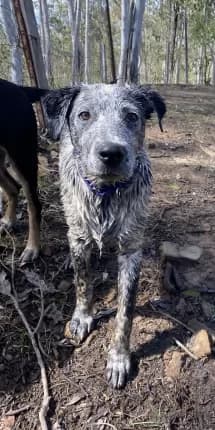
Barclay
5 months • Australian Cattle Dog cross

Barlee
5 months • Australian Cattle Dog cross


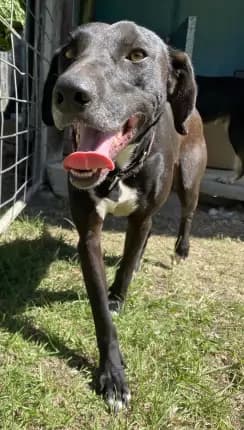
Bufby
3 years 7 months • Huntaway x kelpie

Bundee
1 year 1 month • Rottweiler x Shepherd

Showing 1-9 of 13 dogs
Get notified about new dogs in Coffs Harbour
We will email you when new rescue dogs become available in Coffs Harbour, so you can be among the first to meet them.
Mixed breed dogs, also called crossbreeds, mixes, or affectionately bitzers (bits of this, bits of that), are the majority of dogs waiting in Coffs Harbour rescues. Far from being second-best to a pedigree, a mixed breed dog is often the healthiest choice you can make. Drawing genes from more than one breed tends to dilute the inherited problems that concentrate in tightly bred pedigrees, an effect known as hybrid vigour, so mixed breed dogs frequently enjoy fewer breed-specific conditions and longer, healthier lives.
Every mixed breed dog is genuinely one of a kind. No two are put together quite the same way, which means the dog you adopt has a look and a personality that is entirely their own. Because the breed makeup varies so much, the foster carer's assessment of the individual dog matters far more than any guess about what breeds went into the mix. That hands-on knowledge, how the dog behaves with children, other dogs, on the lead, and around the house, is a far better guide to whether they will suit your home than a breed label ever could be.
Adopting a mixed breed dog is also easier on your budget. Where a purebred puppy from a breeder can cost several thousand dollars, a rescue adoption fee is typically only a few hundred, and that fee already covers desexing, vaccination, microchipping and a full vet check. Every dog listed below comes from a Coffs Harbour or New South Wales rescue, arrives desexed, vaccinated, microchipped and vet-checked, and is ready for a new home. Listings are updated regularly so you can see current availability.
Why Mixed Breed Dogs Are the Majority in Rescue
Walk into almost any Coffs Harbour or New South Wales rescue and the majority of dogs waiting for homes are mixed breeds. This is not because crossbreeds are somehow lesser, but simply because they are the most common dogs in the community and the ones most often surrendered or found as strays. Staffy crosses, Kelpie and cattle-dog types, Border Collie mixes and countless unclassifiable combinations make up the bulk of the rescue population.
Because they are so plentiful, mixed breed dogs are also where the greatest need lies. Purebreds are snapped up quickly on the strength of their breed name, while an equally wonderful crossbreed may wait far longer for the same second chance. Choosing a mixed breed dog often means helping the dog that needed you most.
The variety is part of the appeal. Every mixed breed dog is genuinely one of a kind, with a look and a personality entirely its own, and there is real joy in adopting a dog that is unlike any other. Far from being a compromise, a crossbreed is often the most characterful and individual dog you could choose.
Hybrid Vigour and the Health Advantage
One of the strongest arguments for a mixed breed dog is health. Drawing genes from more than one breed tends to dilute the inherited problems that concentrate in tightly bred pedigrees, an effect known as hybrid vigour, so crossbreeds as a group frequently enjoy fewer breed-specific conditions and long, healthy lives. It is one of the quiet advantages of adopting a mix.
This is a general tendency rather than a cast-iron guarantee, of course. No dog is immune to illness, and a crossbreed can still inherit conditions from either side of its family. What matters is that every dog in rescue is vet-checked before adoption, so any existing issue is identified and disclosed, and you adopt with a clear picture of the dog's health.
The practical upshot is reassuring. A mixed breed rescue dog often combines a wider gene pool with the peace of mind of a pre-adoption vet check, which is a genuinely good foundation for a healthy life. Keeping your dog at a healthy weight, up to date on parasite prevention and attending regular vet checkups does the rest.
Judging the Dog, Not the Breed Label
With a mixed breed dog, the breed guess matters far less than the dog in front of you. Because the makeup varies so much, the foster carer's assessment of the individual dog, how it behaves with children, other dogs, on the lead and around the house, is a far better guide to whether it will suit your home than any label ever could be. That hands-on knowledge is the real gold.
This actually makes choosing a mixed breed dog easier and more reliable, not harder. Instead of hoping a breed reputation holds true for your particular dog, you get direct evidence of how this specific animal actually behaves. Ask the rescue plenty of questions about temperament, energy and habits, and trust the answers over any assumption about breeding.
It also frees you from breed stereotypes, some of which are unfair and misleading. A dog that looks like a certain breed may behave nothing like the reputation attached to it, for better or worse. Meeting the dog, spending time with it, and listening to the people who know it is always the wisest way to choose.
What About DNA Tests?
Curiosity about a mixed breed dog's ancestry is natural, and DNA tests can give you an approximate breakdown if you want one. They are a fun way to satisfy that curiosity and can occasionally flag a breed-linked health consideration worth discussing with your vet. Treat the breakdown as an interesting estimate rather than a precise family tree.
For choosing the right dog, though, a DNA test matters far less than you might think. Visual and genetic breed guesses tell you little about how an individual dog will actually behave, which is shaped by temperament, upbringing and socialisation as much as by breeding. The foster carer's observations remain the most useful information by a wide margin.
If you are drawn to a particular mix out of interest, by all means test after you adopt. Just do not let uncertainty about a dog's exact breeding put you off, because that uncertainty changes nothing about the loving, individual dog you are bringing home.
Mixed Breeds as Family and Working Dogs
Some of the best family dogs and most capable working dogs in Australia are mixed breeds. Temperament and size vary from dog to dog, so rather than relying on a breed reputation you ask the rescue about the specific dog, and foster carers assess each one around children, other pets and daily household life. That individual match is more reliable than any breed generalisation.
On rural and semi-rural properties, cattle-dog and Kelpie crosses and other working mixes are prized for their intelligence, drive and versatility. In suburban family homes, gentle crossbreeds make patient, sturdy companions for children. The right mixed breed dog can slot into almost any lifestyle, precisely because you are choosing the individual rather than a fixed type.
Whatever you need in a dog, there is very likely a mixed breed in rescue that fits, and matching you to it is exactly what a good rescue does best. Be honest about your household, your activity level and your experience, and let the foster carers point you to the crossbreed whose personality suits your life.
Adoption Costs, Registration and Value
Adopting a mixed breed dog is easier on your budget than buying a purebred puppy. Where a breeder puppy can cost several thousand dollars, a rescue adoption fee is typically only a few hundred, and that fee already covers desexing, vaccination, microchipping and a full vet check. You get a vetted, one-of-a-kind dog for a fraction of the price.
Registration is a legal requirement across Australia. Councils in New South Wales require dogs to be microchipped and registered, with desexed dogs usually paying a lower registration fee, so keep the paperwork the rescue gives you and update your details on the microchip registry. That chip is how a lost dog finds its way home.
Beyond the numbers, adopting a mixed breed dog carries a value that is hard to price: you give a home to the dog most likely to have waited longest, and you gain a companion unlike any other. For most adopters, that combination of affordability, health and individuality is exactly why a crossbreed is the right choice.
Mixed Breed Dog Adoption FAQ
Tap a question to expand