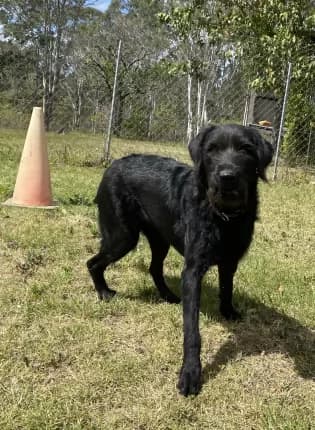
Audrey
1 year 2 months • Labrador x Poodle
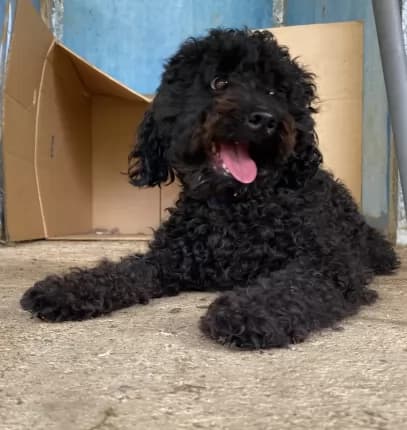
Rocky
2 years 1 month • Poodle x Spaniel
Get notified about new dogs in Coffs Harbour
We will email you when new rescue dogs become available in Coffs Harbour, so you can be among the first to meet them.
Dog allergies are common in Australia, but that does not mean you cannot adopt a rescue dog. Hypoallergenic breeds produce less dander and shed minimally, making them a viable option for allergy sufferers who want a canine companion. Coffs Harbour and New South Wales rescue organisations regularly have Poodles, Poodle crosses, Yorkies, Schnauzers, and other low-shedding breeds looking for homes.
Every dog listed below is a breed known for low shedding and reduced allergen production. While no dog is truly 100 percent hypoallergenic, these breeds are the closest you will get. If you have moderate to severe allergies, we recommend spending time with the specific dog before committing. Most Coffs Harbour and New South Wales rescues will arrange a meet-and-greet so you can gauge your reaction. Listings update regularly.
How Dog Allergies Actually Work
It is a common misconception that people are allergic to dog hair. In fact the usual triggers are proteins found in a dog's dander, saliva and urine, and hair simply carries and spreads them around the home. This is why low-shedding dogs can be easier on allergy sufferers: they release less coat, and with it less of the dander that has settled on the hair.
Reactions vary enormously from person to person, and even between individual dogs of the same breed, because the amount of allergen a dog produces is not fixed by breed alone. Some people react strongly to one dog and barely at all to another. That individual variation is the single most important thing to understand before you adopt with allergies in mind.
If your allergies are significant, it is worth speaking with your doctor about managing them, and being realistic about what a dog will mean for your household. Many allergy sufferers live happily with a low-shedding dog and sensible management, but going in informed, rather than assuming a breed label solves the problem, is the key to success.
What Hypoallergenic Really Means, and What It Does Not
Hypoallergenic is a useful shorthand, but it is important to understand its limits. No dog is truly 100 percent hypoallergenic, because all dogs produce some dander, saliva and urine proteins. What the label really describes is a dog that sheds minimally and produces less loose allergen, which for many people means noticeably fewer reactions.
Breeds described as hypoallergenic, such as Poodles and their crosses, Schnauzers, Bichon Frises, Maltese and Yorkshire Terriers, tend to have coats that grow continuously rather than shedding in the usual way. Less shedding means less allergen spread around the home, which is the mechanism behind the reduced reactions, rather than any magic in the breed itself.
So treat hypoallergenic as low-shedding and lower-allergen, not allergen-free. These breeds are the closest you will get and are a genuine option for many allergy sufferers, but the honest framing protects you from disappointment and helps you make a decision that will actually work for your household.
Low-Shedding Breeds and Crosses in Coffs Harbour Rescue
Coffs Harbour and New South Wales rescues regularly have low-shedding dogs looking for homes, including Poodles and Poodle crosses such as Cavoodles, Groodles and Labradoodles, along with Schnauzers, Maltese, Shih Tzus, Yorkshire Terriers and Bichon types. These curly and woolly coats are exactly the kind that shed minimally and spread less dander around the home.
Purebred low-shedding dogs do appear in rescue but are adopted quickly, so patience and a saved alert help if you have your heart set on a particular type. Low-shedding crosses are more common and make equally good companions, often with the same easy-on-allergies coat and a bit more health resilience from the wider gene pool.
As with every category, the individual dog matters, and a rescue can tell you about a specific dog's coat and how much it sheds. If you are adopting because of allergies, mention that clearly so the foster carers can point you to the dogs most likely to suit, and so you can arrange to spend time with a dog before committing.
Grooming and Coat Care for Low-Shedding Dogs
The trade-off with low-shedding dogs is grooming. Because their hair grows continuously instead of shedding, it needs regular attention to stay comfortable and matt-free. Expect to brush most low-shedding dogs daily or every other day, and to budget for professional clipping every six to eight weeks, commonly in the range of 80 to 150 dollars a session.
That grooming is not optional. A curly or woolly coat left unbrushed quickly matts, which is uncomfortable and can hide skin problems, so keeping on top of it is part of caring for the dog. Many owners learn to do basic maintenance brushing and tidying between professional visits, which spreads the cost and keeps the coat in good order.
For allergy sufferers, regular grooming has a double benefit: it keeps the coat healthy and it removes loose hair and dander before it can spread through the home. Bathing on your vet's or groomer's advice and keeping the dog well groomed are practical, ongoing parts of living comfortably with a dog when you have allergies.
Living Well With Allergies and a Dog
Beyond choosing a low-shedding dog, a few household habits make a real difference to living comfortably with allergies. Regular vacuuming, washing the dog's bedding often, and keeping the dog off beds and out of the bedroom all reduce the allergens you are exposed to, especially where you sleep. Good ventilation helps too.
Grooming and bathing on a sensible schedule, ideally done by someone other than the allergy sufferer where possible, keeps loose hair and dander down at the source. Washing your hands after handling the dog and having an allergen-light zone in the home are simple measures that many owners find keep symptoms manageable day to day.
None of this replaces medical advice, and if your allergies are serious it is worth discussing management with your doctor before you adopt. But plenty of allergy sufferers share their homes happily with a low-shedding dog by combining the right dog with sensible cleaning, grooming and household routines.
Meeting the Dog First, Costs and Registration
If you have moderate to severe allergies, the most important step is to spend time with the specific dog before committing, because reactions vary so much between individuals. Most Coffs Harbour and New South Wales rescues will happily arrange a meet-and-greet so you can gauge your own response before you adopt, and taking them up on it is far wiser than relying on a breed label.
Adopting a low-shedding dog costs the same as any rescue dog, typically a few hundred dollars, and the fee already covers desexing, vaccination, microchipping and a vet check. That is a fraction of a breeder price with the essential vet work done, and given how popular these coats are, adoption is also a more affordable route to a low-shedding companion.
Councils in New South Wales require dogs to be microchipped and registered, with desexed dogs usually paying a lower registration fee, so keep the paperwork from your rescue and keep your microchip details current. Factor in the ongoing grooming costs these coats need, alongside the usual food, parasite prevention and vet care, when you plan for your new dog.
Source: Australasian Society of Clinical Immunology and Allergy (ASCIA): Pet allergy.
Hypoallergenic Dog Adoption FAQ
Tap a question to expand